The Story Behind the Behavior

What two books about trauma taught me about leading people.

As leaders, we observe behavior every day. We see someone who is defensive when given feedback, reluctant to speak up, a chronic perfectionist (guilty), resistant to change, overly independent, conflict avoidant, or constantly seeking approval. Our instinct is often to coach to the behavior we can see. But what changes when we become curious about why that behavior exists before deciding how to change it?

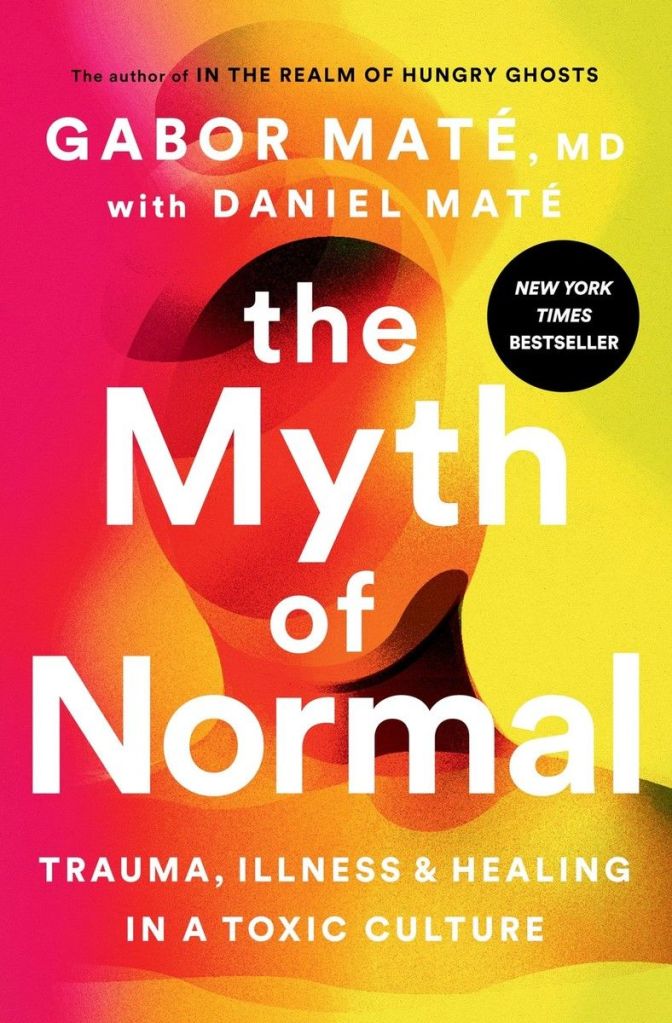
That question stayed with me as I read The Body Keeps the Score by Bessel van der Kolk and The Myth of Normal by Gabor Maté with Daniel Maté. While both books explore trauma, together they gave me a different lens for thinking about leadership: one that begins with the individual and expands to the systems and environments around them.
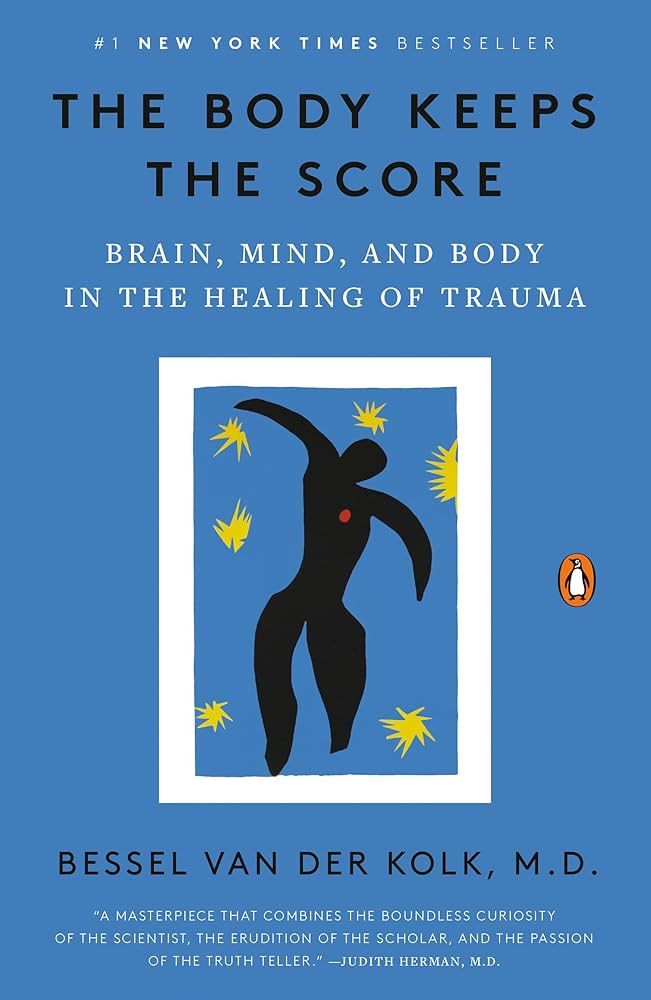
The Body Keeps the Score helped me think differently about how deeply our experiences can shape us, including responses that may not be obvious to anyone around us. When we look at an employee, we see what is happening at the surface. We rarely know the experiences that may be influencing how they respond to stress, conflict, feedback, or uncertainty.

The Myth of Normal widened that lens. It pushed me to think not only about how past experiences shape the individual, but also about how our current environments, relationships, cultures, and systems continue to shape us. We can easily assume that the people around us experience work the way we do. They don’t. Every person brings a different history, perspective, set of expectations, and way of interpreting the environment around them. Which leads me to a premise I keep coming back to: What we experience as difficult behavior may have a history we cannot see.

That doesn’t mean leaders should try to diagnose that history. We aren’t therapists, and understanding someone’s personal experiences isn’t a prerequisite for holding them accountable. But it does mean we can approach coaching with greater curiosity and an openness to perspectives beyond our own.

Understanding why someone may behave a certain way does not mean accepting every behavior. Empathy and accountability are not opposing leadership philosophies; they are rather close partners. Understanding does not mean excusing poor performance, disrespect, missed commitments, destructive conflict, or an unwillingness to change. Leaders still have a responsibility to set clear expectations and hold people accountable for meeting them.

What can change is how we begin the conversation. Instead of immediately asking ourselves how we can get someone to change, we can become curious first. What am I not seeing? What perspective might I be missing? Is there another way to approach this conversation that helps this person hear the feedback and move forward? Curiosity doesn’t lower the standard; it just makes us better at helping people reach it.

But curiosity shouldn’t stop with the individual. The Myth of Normal also challenged me to consider what’s happening in the environment around the person. If the same behaviors begin appearing across a team, perhaps the question isn’t just what’s happening with this person, we also need to ask ourselves if we are coaching people to cope with conditions we should actually be changing. If people are consistently exhausted, afraid to speak up, resistant to change, competing destructively, or disengaging from the work, leaders have a responsibility to look beyond individual performance.

What systems, expectations, incentives, communication patterns, or leadership behaviors might be influencing how people show up? Sometimes coaching the individual is appropriate but sometimes the organization needs coaching, too.

In The Myth of Normal, Maté introduces Thich Nhat Hanh’s concept of interbeing, rooted in the understanding that nothing exists entirely separately from everything else. That stuck with me above all else. Culture affects behavior. Behavior affects relationships. Relationships affect trust. Trust affects communication. Communication affects execution. Execution affects performance. And each of those influences the others. Nothing in an organization exists entirely in isolation.

That is what makes leadership so complex. We can’t always solve a behavioral problem by addressing behavior alone, just as we can’t create a healthy culture through value statements or improve execution simply by introducing another process. People, relationships, culture, systems, communication, and performance are interconnected. We can’t create sustainable clarity by fixing isolated pieces of an interconnected system.

Neither of these books is a leadership book in the traditional sense. Yet together, they changed the way I think about leading people. They reminded me that the person sitting across from me in a coaching conversation brings far more to that moment than the behavior I can observe. They also reminded me that I am not simply observing the environment in which that behavior occurs; as a leader, I am helping create it. This brings both opportunity and responsibility.

I can remain clear about expectations while becoming more curious about the person trying to meet them. I can hold someone accountable while considering whether the environment around them is helping or hindering their success. And I can resist reducing a complex human being to a behavior I happen to see in a particular moment. So before I ask someone to change how they’re showing up, I want to ask myself a different question first: Have I taken enough time to understand what might be shaping how they’re showing up?
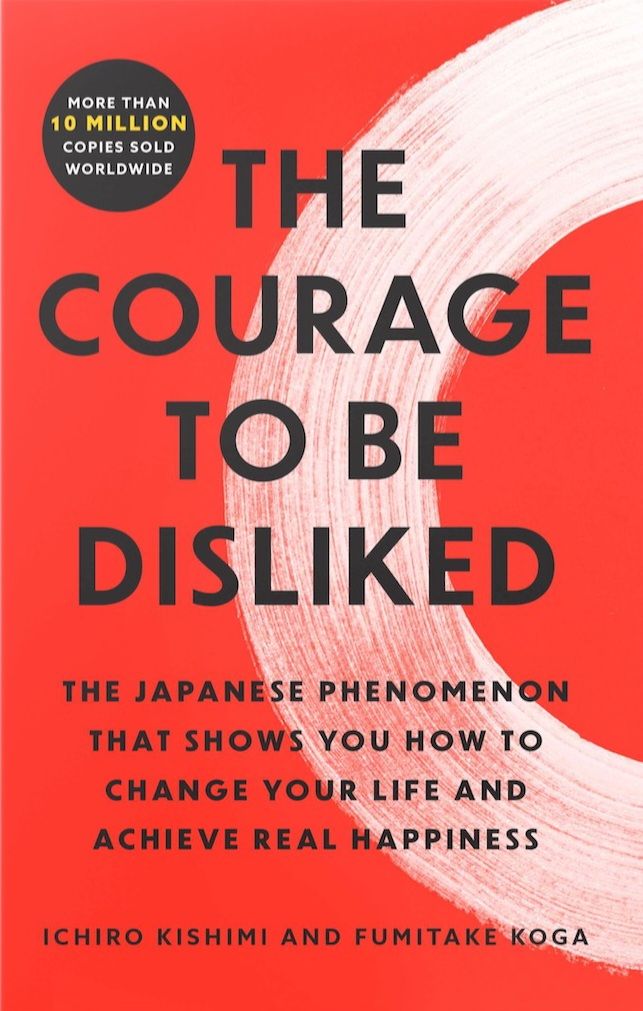
Book Review: The Courage to Be Disliked

Every once in a while, a book challenges you to rethink the way you show up in the world. The Courage to Be Disliked by Ichiro Kishimi and Fumitake Koga did exactly that for me.

On the surface, it’s a philosophical dialogue between a teacher and a student. Beneath that, it’s a mirror that reflects how deeply we tie our sense of worth to what others think of us. As someone who cares very deeply about “being liked”, this book cracked me open to my very core.


“The courage to be happy also includes the courage to be disliked.” That line stopped me in my tracks. It’s not about being indifferent to others. It’s about recognizing that our worth doesn’t depend on meeting everyone’s expectations. As a leader, that’s both freeing and difficult to live out. Many of us build our careers on earning trust, respect, and results. But when external validation becomes the source of our identity, we end up chasing approval instead of purpose.


This book challenges a mindset that often hides beneath ambition: that success equals acceptance. The truth is, growth and discomfort are inseparable. “When one is disliked by another person, it means that one is free from that person’s task.” That concept reframed how I think about conflict, boundaries, and even feedback.


In leadership, you cannot create meaningful change while trying to please everyone. Real progress demands authenticity, and authenticity will always make someone uncomfortable. The more I sat with that, the more I understood that courage isn’t loud or defiant. Sometimes, it’s quiet and steady, rooted in clarity about who you are and what truly matters.


Another powerful message in The Courage to Be Disliked is that freedom and responsibility are two sides of the same coin. “Freedom is being disliked by other people.” It’s a reminder that when we stop living by others’ expectations, we also lose the excuse of blaming them for our outcomes. True freedom comes when we accept ownership for our choices, actions, and happiness.


That idea resonates deeply in leadership. The higher we climb, the fewer people there are to blame when things go wrong. Accepting full responsibility can feel heavy, but it’s also empowering. It means you have the agency to change what isn’t working and to lead from conviction rather than fear.


If you’re someone who feels the weight of expectations, The Courage to Be Disliked offers an invitation to release that burden. It’s not an easy read emotionally, because it forces reflection. The good news is, this is the kind of discomfort that leads to clarity.
One line I keep returning to is, “You are not living to satisfy other people’s expectations, and other people are not living to satisfy your expectations.” That simple truth has reshaped how I think about success, relationships, and leadership itself.


Courage, I’ve realized, isn’t just about bold decisions or taking big risks. Sometimes it’s about choosing peace over performance. It’s about leading with conviction even when it’s not universally liked, and learning to be okay with that.


What about you? What’s a book that’s challenged your perspective lately?

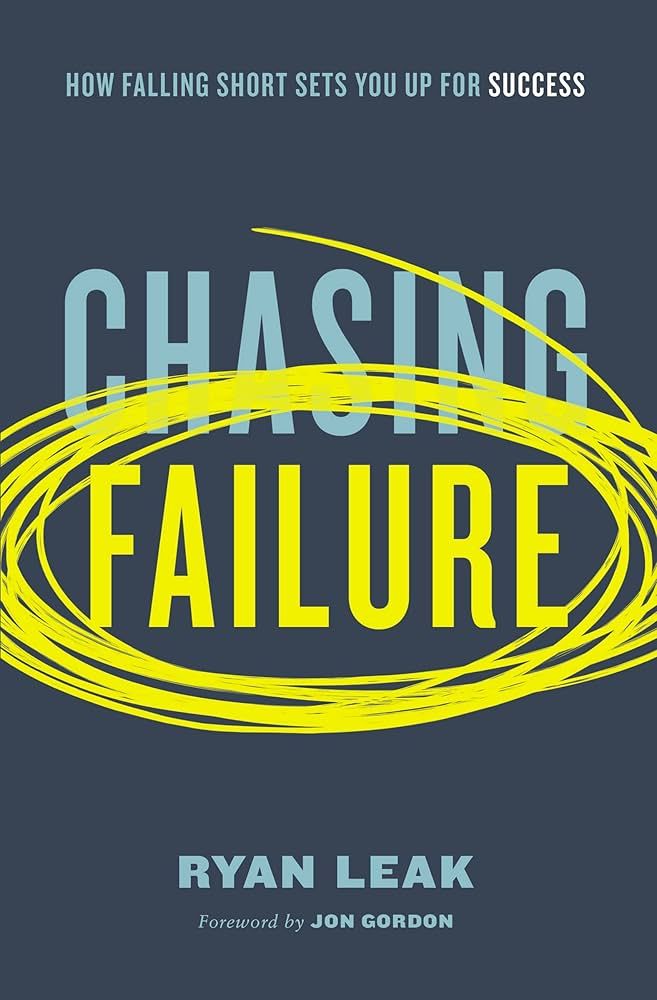
Book Review: Chasing Failure by Ryan Leak


I recently had the honor of hearing Ryan Leak speak live at my company’s annual executive leadership conference. His stage presence, authenticity, and comedic delivery had most of us adding one (or in my case, all) of his books to our digital carts before he was even done with his segment. Chasing Failure arrived first, so let’s dig right in! This book opens with a compelling question:

“What would you do if you weren’t afraid to fail?”

Leak uses Chasing Failure to urge readers to rethink how they approach fear, risk, and ambition. For anyone looking to step outside their comfort zone, this book is a powerful reminder that failure is not the end; it’s often the beginning.

Failure is inevitable and valuable. In Chasing Failure, Leak reframes failure as a necessary step on the path to growth. He shares personal stories and examples of high achievers who embraced failure as a learning tool, challenging readers to do the same.

The book encourages setting bold goals, even when the odds feel stacked against you. Leak’s own journey to try out for an NBA team, despite slim chances, epitomizes the idea of dreaming big.

Resilience is also a major theme of this book.  By shifting the focus from avoiding failure to cultivating resilience, Leak provides a roadmap for achieving sustainable success.

As someone who often juggles high-stakes decisions, Chasing Failure reminded me that perfection isn’t the goal – progress is. Leak’s conversational tone and actionable insights make it a motivating read for anyone ready to redefine their relationship with failure.

Whether you’re charting a new career path or pursuing a personal dream, this book is an inspiring guide to embracing fear, taking risks, and finding purpose in the process.

Next up on my Leak reading list is Leveling Up. Come back to the blog for a review soon! Have you read any books by Ryan Leak? If so, let me know what you think!

Book Review: Likeable Badass

What does it mean to be both likeable and a badass? In Likeable Badass: How Women Get the Success They Deserve, Alison Fragale tackles this question head-on, offering research-backed insights on how women can navigate workplace dynamics, build confidence, and command respect without sacrificing their authenticity. This book challenges the outdated notion that being assertive makes a woman unlikeable while being agreeable makes her ineffective. Instead, Fragale provides practical strategies to balance warmth and competence, allowing women to lead with both power and authenticity.

Confidence is something anyone can learn, not just something you’re born with. You can develop confidence through practice and experience. Fragale emphasizes that true confidence comes from preparation, self-awareness, and action rather than simply “faking it until you make it.” Confidence-building starts with small wins. Whether it’s speaking up in a meeting, negotiating for a raise, or taking on a stretch project, consistently stepping outside your comfort zone strengthens your ability to project confidence naturally. Leaders can also foster confidence in their teams by providing clear feedback, mentorship, and opportunities to succeed.

Women often face the challenge of being seen as either too nice, and not taken seriously, or too assertive, and seen as difficult. Fragale provides research-backed strategies to navigate this, emphasizing that success doesn’t require choosing one over the other. Striking the right balance between warmth and authority can improve leadership effectiveness. Using humor, expressing genuine interest in others, and showing vulnerability when appropriate can make assertive communication more palatable, especially in male-dominated environments. Leaders can also challenge biases in their organizations by evaluating how feedback is given. For example, consider whether women in your workplace are being told they need to be nicer, while men are praised for the same directness.

How you say something is just as important as what you say. Fragale highlights the importance of tone, body language, and framing when delivering messages. Being direct doesn’t mean being rude. Using “I” statements, maintaining open body language, and strategically pausing for emphasis can enhance your presence. When delivering difficult messages, pairing confidence with warmth, like using an encouraging tone while providing constructive feedback, can make your words more effective.

Traditional leadership models often favor extroverted, dominant personalities, but Fragale argues that influence isn’t about being the loudest; it’s about being strategic. Thoughtful, well-timed contributions can be just as powerful as constant visibility. If you’re naturally introverted or prefer to observe before speaking, you can still build influence by being intentional about when and how you contribute. Preparing key points in advance, leveraging written communication, and forming strong one-on-one relationships can all enhance your ability to lead effectively.

After all your hard work in building a badass career, it’s important to own your success. Many women downplay their achievements to avoid seeming boastful, but Fragale stresses the importance of owning your success with confidence. Recognizing and articulating your value isn’t arrogance, it’s self-advocacy. Instead of deflecting praise, practice accepting compliments with a simple “Thank you, I worked hard on that.” When discussing achievements, focus on impact rather than effort (e.g., “This project increased revenue by 20%” instead of “I worked really hard on this”). Leaders can also encourage this behavior by celebrating team wins openly and ensuring credit is given where it’s due.

Likeable Badass is a powerful guide for women who want to excel in their careers without compromising who they are. By understanding the balance between confidence and likeability, mastering strategic communication, and owning their achievements, women can break past the barriers that hold them back.

What strategies have helped you navigate confidence and influence in your career? Let’s discuss in the comments!

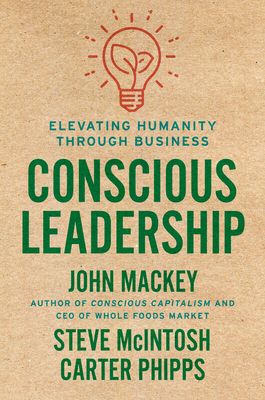
Book Review: Conscious Leadership

Conscious Leadership by John Mackey asks, “What if leadership wasn’t just about profits or power, but about purpose?” John Mackey, co-founder of Whole Foods Market, was a delight to read. As someone who spends a lot of time thinking about leadership, both the practical and the deeply human sides of it, I found this book both challenging and affirming in unexpected ways.

In Conscious Leadership, Mackey builds on the principles of Conscious Capitalism, which he co-authored in 2013, diving deeper into the role of leadership in creating businesses that benefit all stakeholders. His central idea is that leaders have a responsibility to elevate their organizations beyond profit-seeking, emphasizing purpose, people, and personal growth. Mackey outlines ten key characteristics of conscious leaders, such as leading with love, cultivating emotional intelligence, and inspiring others through purpose. If you’re accustomed to leadership frameworks that prioritize efficiency and results, this perspective challenges you to expand your approach.

Mackey reminds us that great leaders don’t just ask “What?” or “How?”; they focus on “Why?”. Purpose creates alignment, fuels innovation, and gives meaning to work. At Whole Foods, their purpose was to “nourish the people and the planet.” As a leader in today’s increasingly conscious business environment, this takeaway felt relevant and urgent. Purpose isn’t an add-on; it’s the foundation!

One of the book’s strengths is its focus on the emotional and relational aspects of leadership. Mackey talks openly about the need to lead with love, which might sound soft to some but proves powerful in practice. Leading with love doesn’t mean avoiding tough decisions; it means approaching people with empathy, care, and respect. If you’ve read books like Daring Greatly by Brené Brown or Radical Candor by Kim Scott, you’ll see some thematic parallels. What stood out for me was Mackey’s ability to connect emotional intelligence to measurable organizational outcomes. Trust and employee engagement are measurable and important.

Mackey’s emphasis on personal growth resonated deeply with me. He argues that conscious leaders must commit to their own evolution, emotionally, intellectually, and spiritually, to effectively lead others. For anyone who has taken on a role that requires vision-setting, this rings true. Your team’s potential can only expand as far as your own willingness to grow. Mackey shares personal stories of his own growth as a leader, missteps included. His vulnerability made the ideas more relatable to me, showing that conscious leadership is a practice, not a destination.

Mackey’s vision of leadership is both aspirational and practical. His stories from Whole Foods provide tangible examples of conscious leadership at work, and I appreciated how he balanced idealism with actionable insights. That said, the book does at times veer into overly utopian territory. While Mackey’s philosophy is inspiring, some leaders may struggle to apply these ideas in organizations that are deeply entrenched in more traditional leadership models. I also found myself curious about other perspectives of this practice outside of Mackey’s own experiences, though the concepts themselves are likely universal.

If you’re a leader looking to redefine success for yourself and your organization, Conscious Leadership is worth your time. It’s especially valuable for those in executive or senior leadership roles where influence can have ripple effects. For me, Mackey’s reflections reinforced the importance of leading with clarity of purpose, concern for people, and the courage to challenge norms. Leadership isn’t just a title, it’s a responsibility to inspire, elevate, and impact.

Vulnerability is a Leadership Discipline

What does it really take to lead well when the outcome is uncertain, the work is highly visible, and failure affects more than just you?

Those are some of the questions I return to whenever I step into something new. Every new opportunity brings energy and possibility, but it also brings exposure and vulnerability. There is no way to fully lead from the sidelines. At some point, you have to enter the arena before you know exactly how things will unfold.

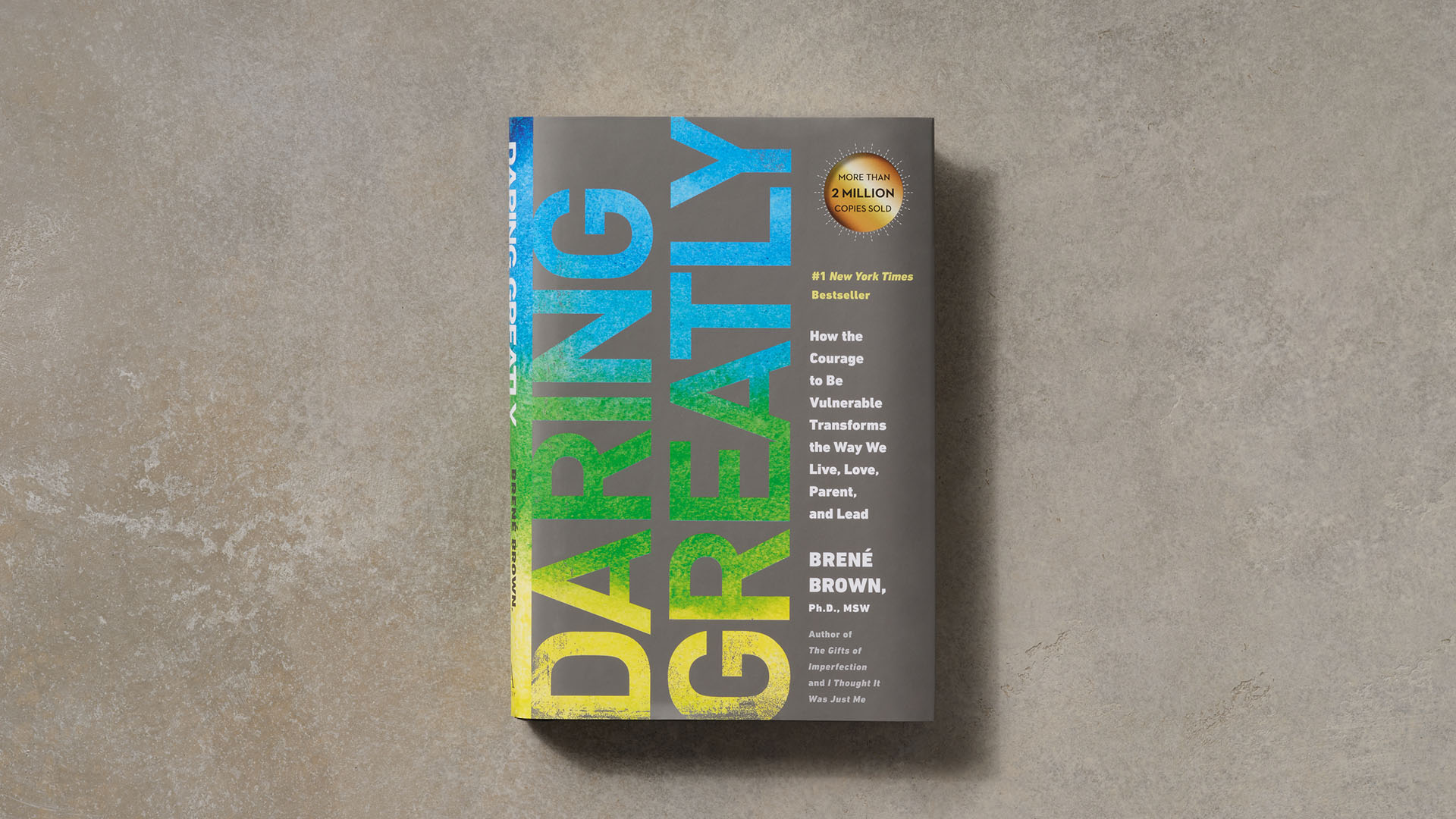
That is why I return to Daring Greatly by Brené Brown at the beginning of every new professional chapter. My first professional mentor gave me a copy when I graduated from our formal mentorship program, and it has stayed with me ever since. I have read it many times, but I revisit it most intentionally when I need a reset. When I stepped into my first executive role, it was one of the first books I picked up again.

What continues to challenge me most about Brown’s work is the idea that vulnerability is not something leaders should outgrow. It is something they have to practice. That still feels counterintuitive at times. Leadership is often associated with certainty, polish, and quick answers. But Daring Greatly argues for something more demanding: the courage to show up fully, take meaningful risks, and stay engaged through the uncertainty, feedback, and discomfort that accompany worthwhile work.

That idea matters because leadership is not only about having a strong point of view. It is also about creating the conditions where others can contribute honestly. In practice, that means naming uncertainty instead of pretending to have every answer. It means asking better questions, inviting dissent, and making room for learning. Teams do not build trust because leaders appear infallible. They build trust when leaders are clear about their values, transparent about tradeoffs, and willing to engage in difficult conversations rather than avoid them.

One of the most practical lessons I have carried forward is this: treat vulnerability as a leadership discipline, not a personality trait.

Like any discipline, it requires intentional practice. Build routines that make candor both safe and useful. Ask what others are seeing that you may be missing. Reward thoughtful risk-taking, not just flawless execution. Address tension while it is still productive, before it grows into dysfunction.

Vulnerability also requires discernment. Not every criticism deserves equal weight. The voices that matter most are not always the loudest; they are the ones willing to step into the arena, engage honestly, and help move the work forward.

For those reasons, Daring Greatly continues to sit close by, both literally and figuratively. I also keep a framed copy of Theodore Roosevelt’s Man in the Arena speech in my office as a reminder of where to focus my attention. It reminds me to value the people who are willing to wrestle with difficult problems, contribute to meaningful work, and keep showing up when the path forward is unclear, while letting go of the judgments of those who choose to remain on the sidelines.

Every time I return to this book, I find myself asking the same question:

Where am I being invited to lead more courageously, not because I have certainty, but because the work matters enough to step into the arena anyway?