Book Review: The Courage to Be Disliked

Every once in a while, a book challenges you to rethink the way you show up in the world. The Courage to Be Disliked by Ichiro Kishimi and Fumitake Koga did exactly that for me.
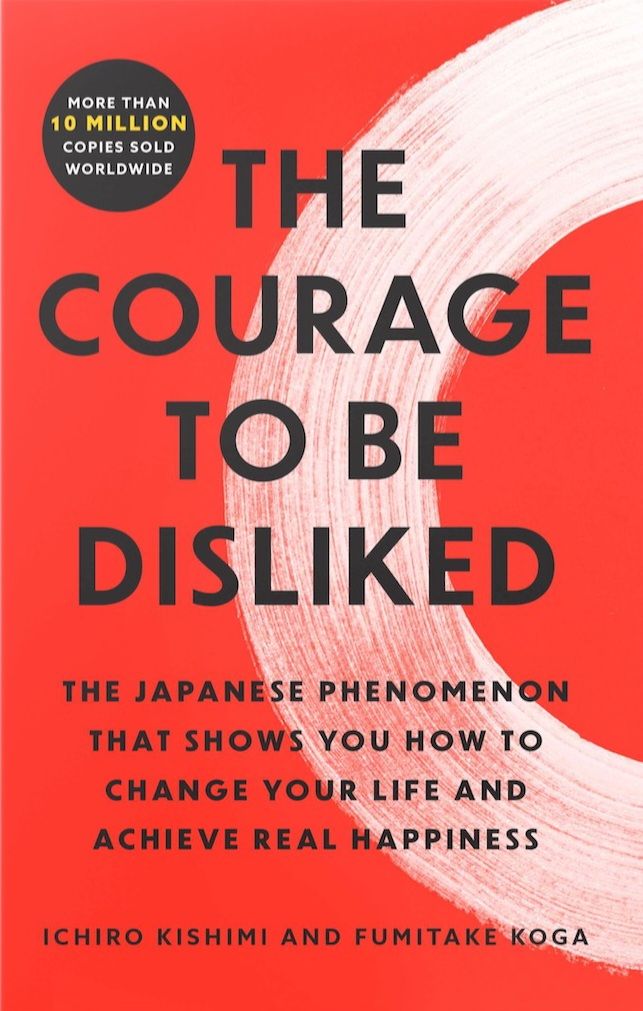
On the surface, it’s a philosophical dialogue between a teacher and a student. Beneath that, it’s a mirror that reflects how deeply we tie our sense of worth to what others think of us. As someone who cares very deeply about “being liked”, this book cracked me open to my very core.


“The courage to be happy also includes the courage to be disliked.” That line stopped me in my tracks. It’s not about being indifferent to others. It’s about recognizing that our worth doesn’t depend on meeting everyone’s expectations. As a leader, that’s both freeing and difficult to live out. Many of us build our careers on earning trust, respect, and results. But when external validation becomes the source of our identity, we end up chasing approval instead of purpose.


This book challenges a mindset that often hides beneath ambition: that success equals acceptance. The truth is, growth and discomfort are inseparable. “When one is disliked by another person, it means that one is free from that person’s task.” That concept reframed how I think about conflict, boundaries, and even feedback.


In leadership, you cannot create meaningful change while trying to please everyone. Real progress demands authenticity, and authenticity will always make someone uncomfortable. The more I sat with that, the more I understood that courage isn’t loud or defiant. Sometimes, it’s quiet and steady, rooted in clarity about who you are and what truly matters.


Another powerful message in The Courage to Be Disliked is that freedom and responsibility are two sides of the same coin. “Freedom is being disliked by other people.” It’s a reminder that when we stop living by others’ expectations, we also lose the excuse of blaming them for our outcomes. True freedom comes when we accept ownership for our choices, actions, and happiness.


That idea resonates deeply in leadership. The higher we climb, the fewer people there are to blame when things go wrong. Accepting full responsibility can feel heavy, but it’s also empowering. It means you have the agency to change what isn’t working and to lead from conviction rather than fear.


If you’re someone who feels the weight of expectations, The Courage to Be Disliked offers an invitation to release that burden. It’s not an easy read emotionally, because it forces reflection. The good news is, this is the kind of discomfort that leads to clarity.
One line I keep returning to is, “You are not living to satisfy other people’s expectations, and other people are not living to satisfy your expectations.” That simple truth has reshaped how I think about success, relationships, and leadership itself.


Courage, I’ve realized, isn’t just about bold decisions or taking big risks. Sometimes it’s about choosing peace over performance. It’s about leading with conviction even when it’s not universally liked, and learning to be okay with that.


What about you? What’s a book that’s challenged your perspective lately?
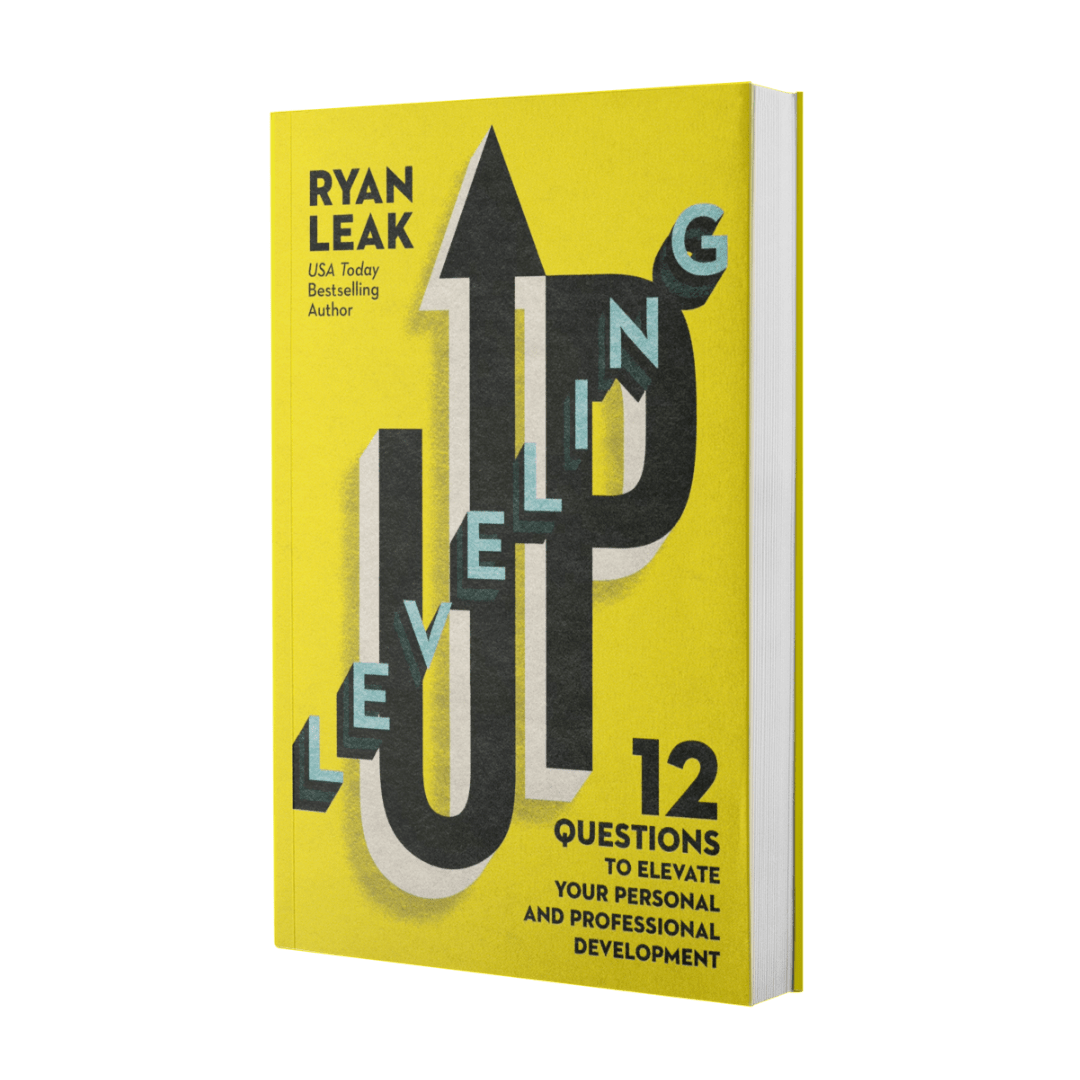
Book Review: Leveling Up by Ryan Leak

When I heard Ryan Leak speak at a leadership conference in January, one phrase landed hard with me: “fail forward.” That message came to life even more as I read his book Leveling Up. At the time, I was in a relatively new executive role and navigating the uncertainty and stretch that comes with it. Leak’s perspective reframed failure for me, not as a stopping point, but as data I could use to grow.

Since then, I have gone on to read all of his books, but Leveling Up is the one that continues to shape my day-to-day leadership. Leak makes a compelling case that growth does not happen when we wait for perfect conditions. It happens when we are willing to move forward before we feel fully ready. That lesson is especially relevant for leaders, because our teams often need to see us take the first step before they will feel comfortable doing the same.

It can be tempting to see obstacles as proof that we are not cut out for the next step, but Leak encourages us to interpret them differently. If things feel too easy, we are probably not stretching ourselves. For me, that shift in perspective has been powerful. Challenges are not signs of weakness, but signs of progress.Failures and setbacks are not evidence that we should stop, but opportunities to learn and adjust. This idea of failing forward is not just about personal growth, but also about how we lead others. When teams see failure treated as information rather than punishment, they become more willing to innovate, to take risks, and to bring forward new ideas.

One of the things that makes Leveling Up so powerful is how Ryan Leak frames growth around twelve guiding questions. These are not meant to be answered once and filed away, but to be lived with, wrestled with, and returned to often. As I reflected on them, I found they naturally fall into three themes: vision, connection, and rhythm.

When it comes to vision, Leak pushes us to define success on our own terms and to stay aware of how we show up for others. He asks, What is my definition of success? What is it like to be on the other side of me? How can I get better? These questions invite clarity, honesty, and humility. They are qualities every leader needs.

The theme of connection focuses on how we interact with and support others. Questions like What credit can I give away? Whose dream do I need to support? What mistakes can I own? remind me that leadership is not only about personal achievement. It is about lifting others up and creating space for shared wins.

Finally, there is the theme of rhythm, the pace and posture with which we move through life. Leak challenges us with questions like What risk do I need to take? What is the right thing to do? How am I managing my time? Do I have to do it all? Am I enjoying it? Who knows who I really am? These are the questions that hit hardest in the daily grind, because they call us back to balance, authenticity, and joy.

Seeing all twelve questions together makes it clear why Leak calls this book Leveling Up. They are not about chasing perfection. They are about building awareness and courage at every stage of growth. They serve as checkpoints that help us see where we are, where we are headed, and how we want to show up along the way.

  1. What is my definition of success?
  2. What is it like to be on the other side of me?
  3. How can I get better?
  4. What credit can I give away?
  5. What mistakes can I own?
  6. What risk do I need to take?
  7. Whose dream do I need to support?
  8. What is the right thing to do?
  9. How am I managing my time?
  10. Do I have to do it all?
  11. Am I enjoying it?
  12. Who knows who I really am?

Leveling Up is both motivating and practical, blending inspiration with tools that leaders can apply right away. It is a book about courage, mindset, and the small but meaningful choices that move us toward the next version of ourselves. For me, it has been a reminder to stop waiting for the perfect moment and to embrace the process of growth, with all of its challenges and rewards.

As I continue to reflect on Leak’s work, I find myself asking the same question I will pose here: what is the next area of your life or leadership that you are ready to level up?

Book Review: Likeable Badass

What does it mean to be both likeable and a badass? In Likeable Badass: How Women Get the Success They Deserve, Alison Fragale tackles this question head-on, offering research-backed insights on how women can navigate workplace dynamics, build confidence, and command respect without sacrificing their authenticity. This book challenges the outdated notion that being assertive makes a woman unlikeable while being agreeable makes her ineffective. Instead, Fragale provides practical strategies to balance warmth and competence, allowing women to lead with both power and authenticity.

Confidence is something anyone can learn, not just something you’re born with. You can develop confidence through practice and experience. Fragale emphasizes that true confidence comes from preparation, self-awareness, and action rather than simply “faking it until you make it.” Confidence-building starts with small wins. Whether it’s speaking up in a meeting, negotiating for a raise, or taking on a stretch project, consistently stepping outside your comfort zone strengthens your ability to project confidence naturally. Leaders can also foster confidence in their teams by providing clear feedback, mentorship, and opportunities to succeed.

Women often face the challenge of being seen as either too nice, and not taken seriously, or too assertive, and seen as difficult. Fragale provides research-backed strategies to navigate this, emphasizing that success doesn’t require choosing one over the other. Striking the right balance between warmth and authority can improve leadership effectiveness. Using humor, expressing genuine interest in others, and showing vulnerability when appropriate can make assertive communication more palatable, especially in male-dominated environments. Leaders can also challenge biases in their organizations by evaluating how feedback is given. For example, consider whether women in your workplace are being told they need to be nicer, while men are praised for the same directness.

How you say something is just as important as what you say. Fragale highlights the importance of tone, body language, and framing when delivering messages. Being direct doesn’t mean being rude. Using “I” statements, maintaining open body language, and strategically pausing for emphasis can enhance your presence. When delivering difficult messages, pairing confidence with warmth, like using an encouraging tone while providing constructive feedback, can make your words more effective.

Traditional leadership models often favor extroverted, dominant personalities, but Fragale argues that influence isn’t about being the loudest; it’s about being strategic. Thoughtful, well-timed contributions can be just as powerful as constant visibility. If you’re naturally introverted or prefer to observe before speaking, you can still build influence by being intentional about when and how you contribute. Preparing key points in advance, leveraging written communication, and forming strong one-on-one relationships can all enhance your ability to lead effectively.

After all your hard work in building a badass career, it’s important to own your success. Many women downplay their achievements to avoid seeming boastful, but Fragale stresses the importance of owning your success with confidence. Recognizing and articulating your value isn’t arrogance, it’s self-advocacy. Instead of deflecting praise, practice accepting compliments with a simple “Thank you, I worked hard on that.” When discussing achievements, focus on impact rather than effort (e.g., “This project increased revenue by 20%” instead of “I worked really hard on this”). Leaders can also encourage this behavior by celebrating team wins openly and ensuring credit is given where it’s due.

Likeable Badass is a powerful guide for women who want to excel in their careers without compromising who they are. By understanding the balance between confidence and likeability, mastering strategic communication, and owning their achievements, women can break past the barriers that hold them back.

What strategies have helped you navigate confidence and influence in your career? Let’s discuss in the comments!

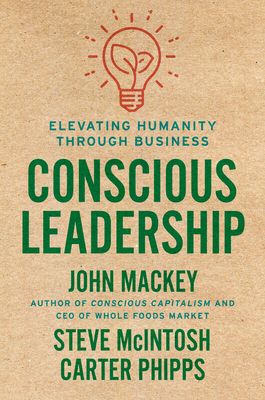
Book Review: Conscious Leadership

Conscious Leadership by John Mackey asks, “What if leadership wasn’t just about profits or power, but about purpose?” John Mackey, co-founder of Whole Foods Market, was a delight to read. As someone who spends a lot of time thinking about leadership, both the practical and the deeply human sides of it, I found this book both challenging and affirming in unexpected ways.

In Conscious Leadership, Mackey builds on the principles of Conscious Capitalism, which he co-authored in 2013, diving deeper into the role of leadership in creating businesses that benefit all stakeholders. His central idea is that leaders have a responsibility to elevate their organizations beyond profit-seeking, emphasizing purpose, people, and personal growth. Mackey outlines ten key characteristics of conscious leaders, such as leading with love, cultivating emotional intelligence, and inspiring others through purpose. If you’re accustomed to leadership frameworks that prioritize efficiency and results, this perspective challenges you to expand your approach.

Mackey reminds us that great leaders don’t just ask “What?” or “How?”; they focus on “Why?”. Purpose creates alignment, fuels innovation, and gives meaning to work. At Whole Foods, their purpose was to “nourish the people and the planet.” As a leader in today’s increasingly conscious business environment, this takeaway felt relevant and urgent. Purpose isn’t an add-on; it’s the foundation!

One of the book’s strengths is its focus on the emotional and relational aspects of leadership. Mackey talks openly about the need to lead with love, which might sound soft to some but proves powerful in practice. Leading with love doesn’t mean avoiding tough decisions; it means approaching people with empathy, care, and respect. If you’ve read books like Daring Greatly by Brené Brown or Radical Candor by Kim Scott, you’ll see some thematic parallels. What stood out for me was Mackey’s ability to connect emotional intelligence to measurable organizational outcomes. Trust and employee engagement are measurable and important.

Mackey’s emphasis on personal growth resonated deeply with me. He argues that conscious leaders must commit to their own evolution, emotionally, intellectually, and spiritually, to effectively lead others. For anyone who has taken on a role that requires vision-setting, this rings true. Your team’s potential can only expand as far as your own willingness to grow. Mackey shares personal stories of his own growth as a leader, missteps included. His vulnerability made the ideas more relatable to me, showing that conscious leadership is a practice, not a destination.

Mackey’s vision of leadership is both aspirational and practical. His stories from Whole Foods provide tangible examples of conscious leadership at work, and I appreciated how he balanced idealism with actionable insights. That said, the book does at times veer into overly utopian territory. While Mackey’s philosophy is inspiring, some leaders may struggle to apply these ideas in organizations that are deeply entrenched in more traditional leadership models. I also found myself curious about other perspectives of this practice outside of Mackey’s own experiences, though the concepts themselves are likely universal.

If you’re a leader looking to redefine success for yourself and your organization, Conscious Leadership is worth your time. It’s especially valuable for those in executive or senior leadership roles where influence can have ripple effects. For me, Mackey’s reflections reinforced the importance of leading with clarity of purpose, concern for people, and the courage to challenge norms. Leadership isn’t just a title, it’s a responsibility to inspire, elevate, and impact.