What does it really take to lead well when the outcome is uncertain, the work is highly visible, and failure affects more than just you?
Those are some of the questions I return to whenever I step into something new. Every new opportunity brings energy and possibility, but it also brings exposure and vulnerability. There is no way to fully lead from the sidelines. At some point, you have to enter the arena before you know exactly how things will unfold.
That is why I return to Daring Greatly by Brené Brown at the beginning of every new professional chapter. My first professional mentor gave me a copy when I graduated from our formal mentorship program, and it has stayed with me ever since. I have read it many times, but I revisit it most intentionally when I need a reset. When I stepped into my first executive role, it was one of the first books I picked up again.
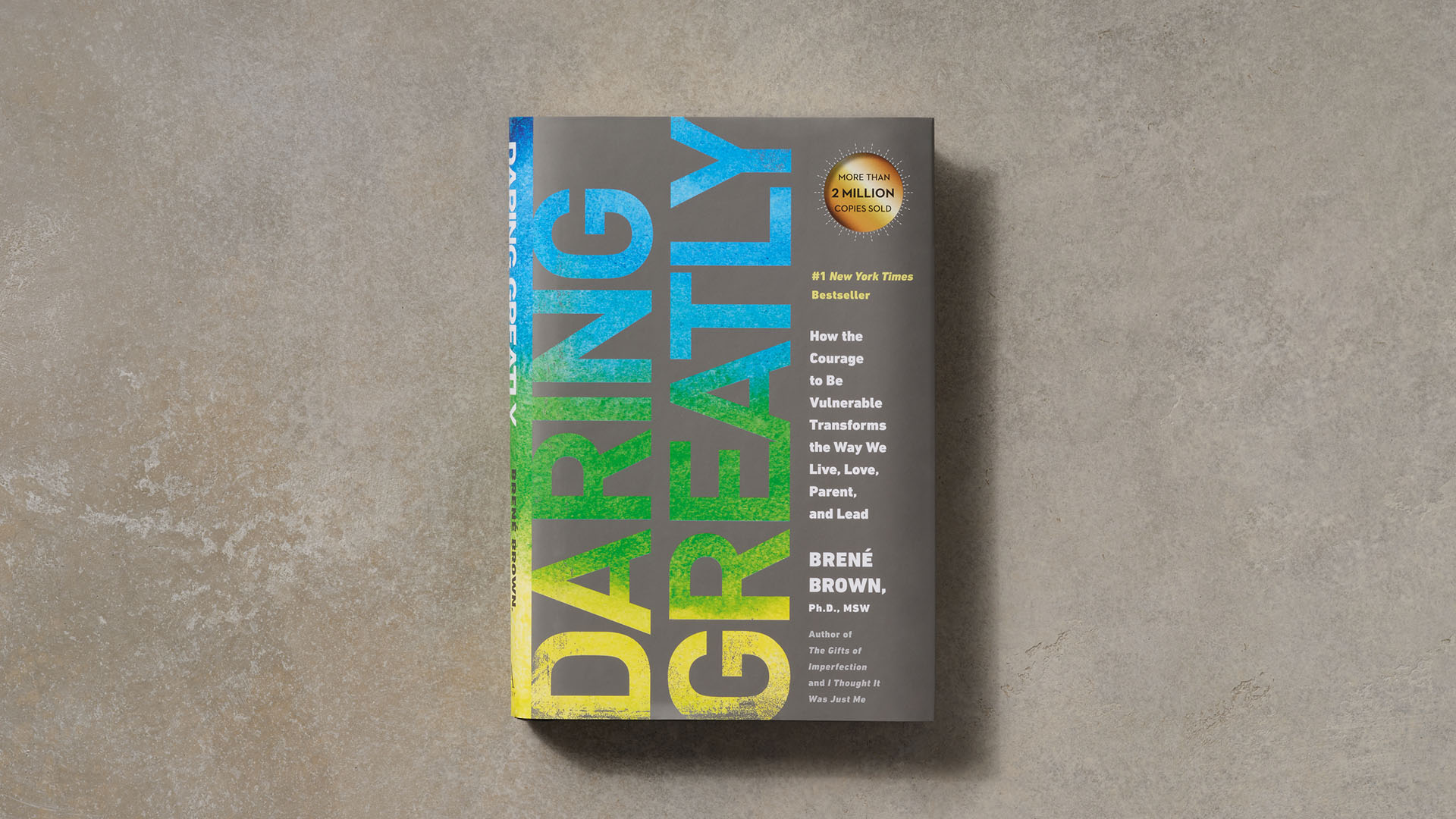
What continues to challenge me most about Brown’s work is the idea that vulnerability is not something leaders should outgrow. It is something they have to practice. That still feels counterintuitive at times. Leadership is often associated with certainty, polish, and quick answers. But Daring Greatly argues for something more demanding: the courage to show up fully, take meaningful risks, and stay engaged through the uncertainty, feedback, and discomfort that accompany worthwhile work.
That idea matters because leadership is not only about having a strong point of view. It is also about creating the conditions where others can contribute honestly. In practice, that means naming uncertainty instead of pretending to have every answer. It means asking better questions, inviting dissent, and making room for learning. Teams do not build trust because leaders appear infallible. They build trust when leaders are clear about their values, transparent about tradeoffs, and willing to engage in difficult conversations rather than avoid them.
One of the most practical lessons I have carried forward is this: treat vulnerability as a leadership discipline, not a personality trait.
Like any discipline, it requires intentional practice. Build routines that make candor both safe and useful. Ask what others are seeing that you may be missing. Reward thoughtful risk-taking, not just flawless execution. Address tension while it is still productive, before it grows into dysfunction.
Vulnerability also requires discernment. Not every criticism deserves equal weight. The voices that matter most are not always the loudest; they are the ones willing to step into the arena, engage honestly, and help move the work forward.
For those reasons, Daring Greatly continues to sit close by, both literally and figuratively. I also keep a framed copy of Theodore Roosevelt’s Man in the Arena speech in my office as a reminder of where to focus my attention. It reminds me to value the people who are willing to wrestle with difficult problems, contribute to meaningful work, and keep showing up when the path forward is unclear, while letting go of the judgments of those who choose to remain on the sidelines.
Every time I return to this book, I find myself asking the same question:
Where am I being invited to lead more courageously, not because I have certainty, but because the work matters enough to step into the arena anyway?

 Rosemarie L. Cordell