Book Review: Set Boundaries, Find Peace

Nedra Glover Tawwab’s Set Boundaries, Find Peace is a reminder that boundaries are not barriers. They are a way to create clarity, protect our well-being, and strengthen relationships both at work and in our personal lives. The book offers practical tools that help shift the idea of boundaries from something restrictive to something that builds healthier connections.
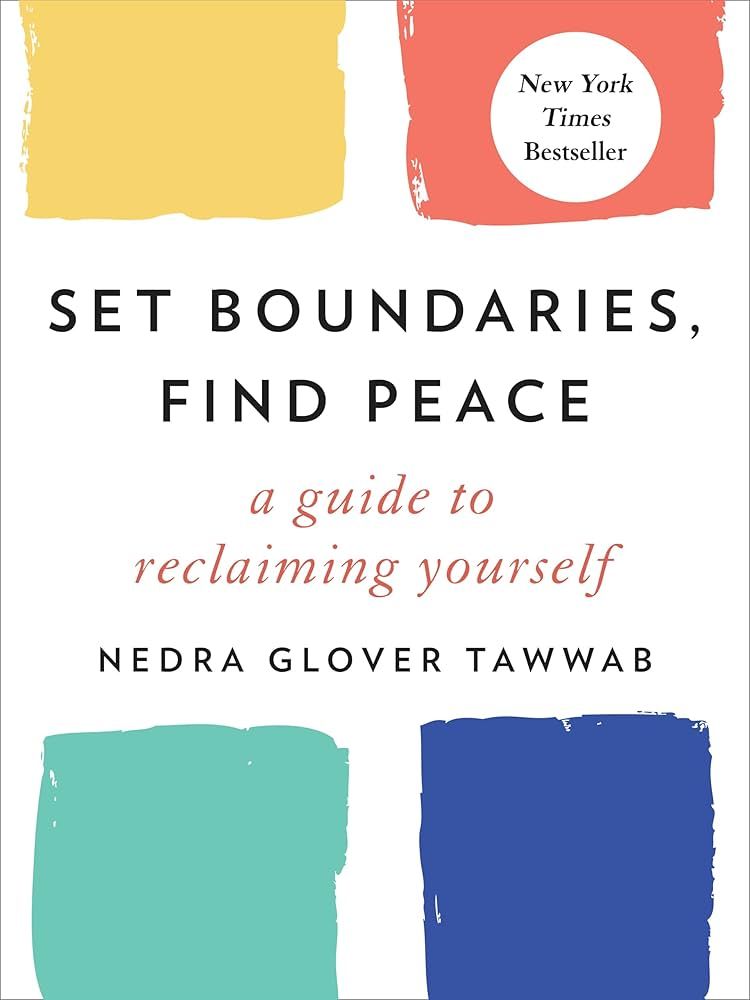

One of the strongest points Tawwab makes is that boundaries are an act of respect. They are not designed to keep others away but to define how we can engage with each other in ways that feel sustainable. For leaders, this lesson is powerful. Boundaries set the tone for what is expected and allow teams to function without the frustration of unspoken assumptions. I have seen firsthand how the absence of clear boundaries creates confusion and drains energy. On the other hand, when expectations are communicated openly, the result is stronger alignment and a healthier team dynamic.


The book also emphasizes that boundaries are deeply tied to peace of mind. They protect our ability to be present and to contribute where we are needed most. Without them, it is easy to slip into exhaustion, resentment, or burnout. In my own role, I have experienced the temptation to always be available or to take on more than is realistic. It can feel like a sign of commitment, but it is rarely sustainable. Reading Tawwab’s work reminded me that boundaries are not selfish. They are essential if we want to remain effective leaders over the long term.

What resonated most with me was how Tawwab reframed boundaries as tools for communication and connection. Setting boundaries is not about control but about ensuring that our best energy is reserved for the work and relationships that matter most. This is something I continue to practice. Protecting focus time on my calendar, honoring family commitments, and defining ownership across my team are small but important ways to maintain balance. When leaders model these behaviors, it signals to others that it is acceptable to do the same.

The impact extends beyond the individual, creating a culture where trust and respect are valued more than constant availability.
Set Boundaries, Find Peace is more than a self-help book. It is a guide to creating balance and clarity in a world that constantly demands more of us. For me, it was both a reminder and a challenge. The reminder is that peace is possible when we draw clear lines around our time and energy. The challenge is to keep practicing those boundaries daily, even when it feels easier to give in.


After reading this book, I find myself reflecting on which boundaries in my life still need strengthening. That may be the most valuable part of Tawwab’s message: it invites us not only to learn but also to act. If you read this book, I encourage you to pause and identify one area where you could set a clearer boundary this week. It may be a small step, but it could be the first step toward finding more peace.

Book Review: Likeable Badass

What does it mean to be both likeable and a badass? In Likeable Badass: How Women Get the Success They Deserve, Alison Fragale tackles this question head-on, offering research-backed insights on how women can navigate workplace dynamics, build confidence, and command respect without sacrificing their authenticity. This book challenges the outdated notion that being assertive makes a woman unlikeable while being agreeable makes her ineffective. Instead, Fragale provides practical strategies to balance warmth and competence, allowing women to lead with both power and authenticity.

Confidence is something anyone can learn, not just something you’re born with. You can develop confidence through practice and experience. Fragale emphasizes that true confidence comes from preparation, self-awareness, and action rather than simply “faking it until you make it.” Confidence-building starts with small wins. Whether it’s speaking up in a meeting, negotiating for a raise, or taking on a stretch project, consistently stepping outside your comfort zone strengthens your ability to project confidence naturally. Leaders can also foster confidence in their teams by providing clear feedback, mentorship, and opportunities to succeed.

Women often face the challenge of being seen as either too nice, and not taken seriously, or too assertive, and seen as difficult. Fragale provides research-backed strategies to navigate this, emphasizing that success doesn’t require choosing one over the other. Striking the right balance between warmth and authority can improve leadership effectiveness. Using humor, expressing genuine interest in others, and showing vulnerability when appropriate can make assertive communication more palatable, especially in male-dominated environments. Leaders can also challenge biases in their organizations by evaluating how feedback is given. For example, consider whether women in your workplace are being told they need to be nicer, while men are praised for the same directness.

How you say something is just as important as what you say. Fragale highlights the importance of tone, body language, and framing when delivering messages. Being direct doesn’t mean being rude. Using “I” statements, maintaining open body language, and strategically pausing for emphasis can enhance your presence. When delivering difficult messages, pairing confidence with warmth, like using an encouraging tone while providing constructive feedback, can make your words more effective.

Traditional leadership models often favor extroverted, dominant personalities, but Fragale argues that influence isn’t about being the loudest; it’s about being strategic. Thoughtful, well-timed contributions can be just as powerful as constant visibility. If you’re naturally introverted or prefer to observe before speaking, you can still build influence by being intentional about when and how you contribute. Preparing key points in advance, leveraging written communication, and forming strong one-on-one relationships can all enhance your ability to lead effectively.

After all your hard work in building a badass career, it’s important to own your success. Many women downplay their achievements to avoid seeming boastful, but Fragale stresses the importance of owning your success with confidence. Recognizing and articulating your value isn’t arrogance, it’s self-advocacy. Instead of deflecting praise, practice accepting compliments with a simple “Thank you, I worked hard on that.” When discussing achievements, focus on impact rather than effort (e.g., “This project increased revenue by 20%” instead of “I worked really hard on this”). Leaders can also encourage this behavior by celebrating team wins openly and ensuring credit is given where it’s due.

Likeable Badass is a powerful guide for women who want to excel in their careers without compromising who they are. By understanding the balance between confidence and likeability, mastering strategic communication, and owning their achievements, women can break past the barriers that hold them back.

What strategies have helped you navigate confidence and influence in your career? Let’s discuss in the comments!

Book Review: Conscious Leadership

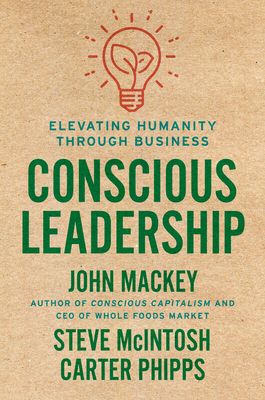
Conscious Leadership by John Mackey asks, “What if leadership wasn’t just about profits or power, but about purpose?” John Mackey, co-founder of Whole Foods Market, was a delight to read. As someone who spends a lot of time thinking about leadership, both the practical and the deeply human sides of it, I found this book both challenging and affirming in unexpected ways.

In Conscious Leadership, Mackey builds on the principles of Conscious Capitalism, which he co-authored in 2013, diving deeper into the role of leadership in creating businesses that benefit all stakeholders. His central idea is that leaders have a responsibility to elevate their organizations beyond profit-seeking, emphasizing purpose, people, and personal growth. Mackey outlines ten key characteristics of conscious leaders, such as leading with love, cultivating emotional intelligence, and inspiring others through purpose. If you’re accustomed to leadership frameworks that prioritize efficiency and results, this perspective challenges you to expand your approach.

Mackey reminds us that great leaders don’t just ask “What?” or “How?”; they focus on “Why?”. Purpose creates alignment, fuels innovation, and gives meaning to work. At Whole Foods, their purpose was to “nourish the people and the planet.” As a leader in today’s increasingly conscious business environment, this takeaway felt relevant and urgent. Purpose isn’t an add-on; it’s the foundation!

One of the book’s strengths is its focus on the emotional and relational aspects of leadership. Mackey talks openly about the need to lead with love, which might sound soft to some but proves powerful in practice. Leading with love doesn’t mean avoiding tough decisions; it means approaching people with empathy, care, and respect. If you’ve read books like Daring Greatly by Brené Brown or Radical Candor by Kim Scott, you’ll see some thematic parallels. What stood out for me was Mackey’s ability to connect emotional intelligence to measurable organizational outcomes. Trust and employee engagement are measurable and important.

Mackey’s emphasis on personal growth resonated deeply with me. He argues that conscious leaders must commit to their own evolution, emotionally, intellectually, and spiritually, to effectively lead others. For anyone who has taken on a role that requires vision-setting, this rings true. Your team’s potential can only expand as far as your own willingness to grow. Mackey shares personal stories of his own growth as a leader, missteps included. His vulnerability made the ideas more relatable to me, showing that conscious leadership is a practice, not a destination.

Mackey’s vision of leadership is both aspirational and practical. His stories from Whole Foods provide tangible examples of conscious leadership at work, and I appreciated how he balanced idealism with actionable insights. That said, the book does at times veer into overly utopian territory. While Mackey’s philosophy is inspiring, some leaders may struggle to apply these ideas in organizations that are deeply entrenched in more traditional leadership models. I also found myself curious about other perspectives of this practice outside of Mackey’s own experiences, though the concepts themselves are likely universal.

If you’re a leader looking to redefine success for yourself and your organization, Conscious Leadership is worth your time. It’s especially valuable for those in executive or senior leadership roles where influence can have ripple effects. For me, Mackey’s reflections reinforced the importance of leading with clarity of purpose, concern for people, and the courage to challenge norms. Leadership isn’t just a title, it’s a responsibility to inspire, elevate, and impact.