What two books about trauma taught me about leading people.
As leaders, we observe behavior every day. We see someone who is defensive when given feedback, reluctant to speak up, a chronic perfectionist (guilty), resistant to change, overly independent, conflict avoidant, or constantly seeking approval. Our instinct is often to coach to the behavior we can see. But what changes when we become curious about why that behavior exists before deciding how to change it?
That question stayed with me as I read The Body Keeps the Score by Bessel van der Kolk and The Myth of Normal by Gabor Maté with Daniel Maté. While both books explore trauma, together they gave me a different lens for thinking about leadership: one that begins with the individual and expands to the systems and environments around them.
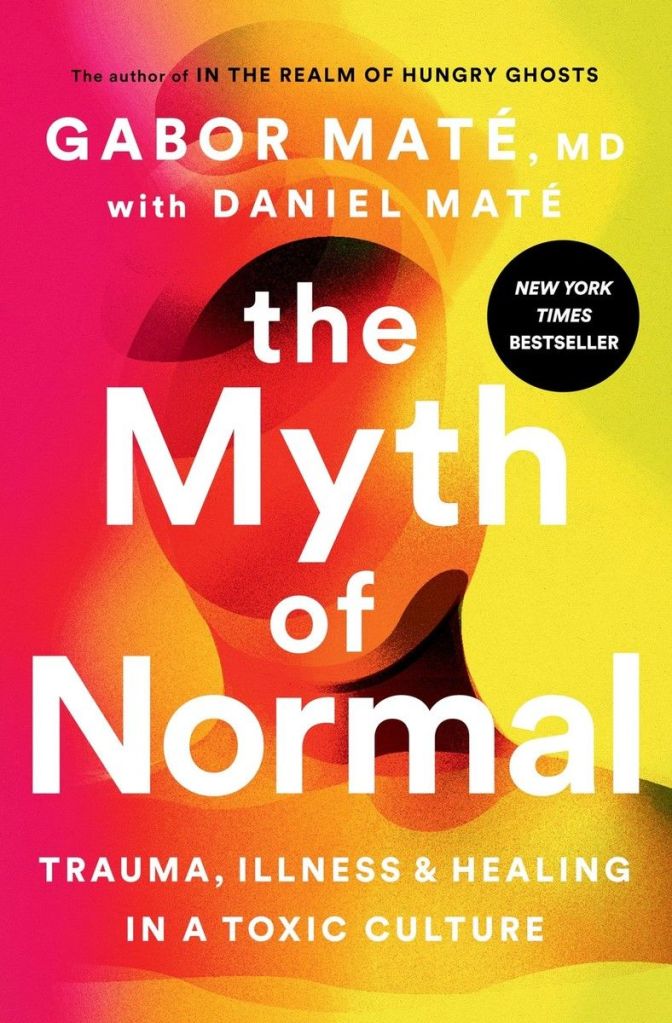
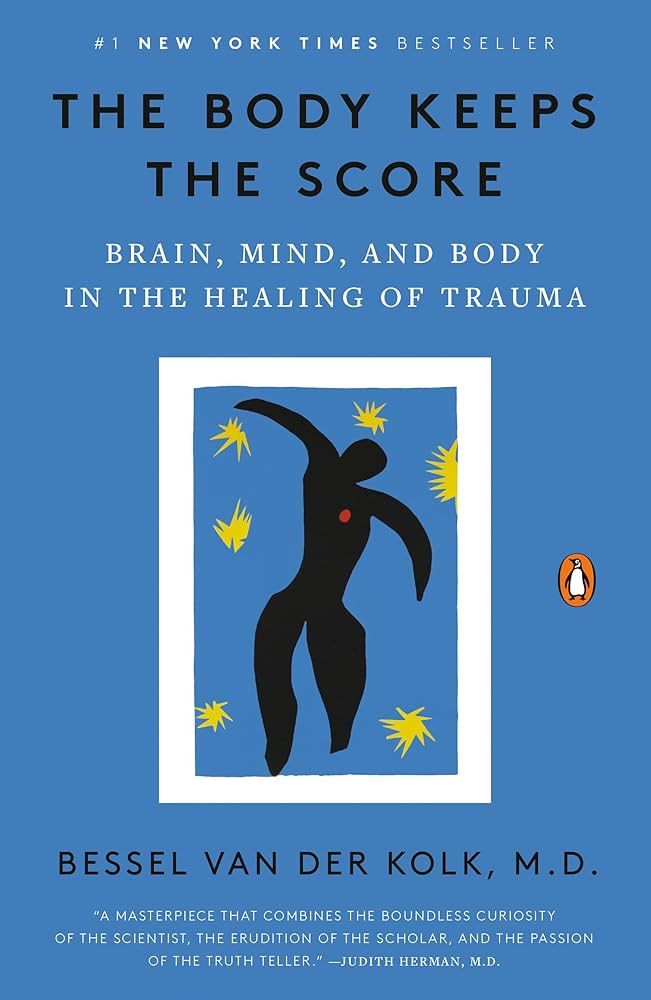
The Body Keeps the Score helped me think differently about how deeply our experiences can shape us, including responses that may not be obvious to anyone around us. When we look at an employee, we see what is happening at the surface. We rarely know the experiences that may be influencing how they respond to stress, conflict, feedback, or uncertainty.
The Myth of Normal widened that lens. It pushed me to think not only about how past experiences shape the individual, but also about how our current environments, relationships, cultures, and systems continue to shape us. We can easily assume that the people around us experience work the way we do. They don’t. Every person brings a different history, perspective, set of expectations, and way of interpreting the environment around them. Which leads me to a premise I keep coming back to: What we experience as difficult behavior may have a history we cannot see.
That doesn’t mean leaders should try to diagnose that history. We aren’t therapists, and understanding someone’s personal experiences isn’t a prerequisite for holding them accountable. But it does mean we can approach coaching with greater curiosity and an openness to perspectives beyond our own.
Understanding why someone may behave a certain way does not mean accepting every behavior. Empathy and accountability are not opposing leadership philosophies; they are rather close partners. Understanding does not mean excusing poor performance, disrespect, missed commitments, destructive conflict, or an unwillingness to change. Leaders still have a responsibility to set clear expectations and hold people accountable for meeting them.
What can change is how we begin the conversation. Instead of immediately asking ourselves how we can get someone to change, we can become curious first. What am I not seeing? What perspective might I be missing? Is there another way to approach this conversation that helps this person hear the feedback and move forward? Curiosity doesn’t lower the standard; it just makes us better at helping people reach it.
But curiosity shouldn’t stop with the individual. The Myth of Normal also challenged me to consider what’s happening in the environment around the person. If the same behaviors begin appearing across a team, perhaps the question isn’t just what’s happening with this person, we also need to ask ourselves if we are coaching people to cope with conditions we should actually be changing. If people are consistently exhausted, afraid to speak up, resistant to change, competing destructively, or disengaging from the work, leaders have a responsibility to look beyond individual performance.
What systems, expectations, incentives, communication patterns, or leadership behaviors might be influencing how people show up? Sometimes coaching the individual is appropriate but sometimes the organization needs coaching, too.
In The Myth of Normal, Maté introduces Thich Nhat Hanh’s concept of interbeing, rooted in the understanding that nothing exists entirely separately from everything else. That stuck with me above all else. Culture affects behavior. Behavior affects relationships. Relationships affect trust. Trust affects communication. Communication affects execution. Execution affects performance. And each of those influences the others. Nothing in an organization exists entirely in isolation.
That is what makes leadership so complex. We can’t always solve a behavioral problem by addressing behavior alone, just as we can’t create a healthy culture through value statements or improve execution simply by introducing another process. People, relationships, culture, systems, communication, and performance are interconnected. We can’t create sustainable clarity by fixing isolated pieces of an interconnected system.
Neither of these books is a leadership book in the traditional sense. Yet together, they changed the way I think about leading people. They reminded me that the person sitting across from me in a coaching conversation brings far more to that moment than the behavior I can observe. They also reminded me that I am not simply observing the environment in which that behavior occurs; as a leader, I am helping create it. This brings both opportunity and responsibility.
I can remain clear about expectations while becoming more curious about the person trying to meet them. I can hold someone accountable while considering whether the environment around them is helping or hindering their success. And I can resist reducing a complex human being to a behavior I happen to see in a particular moment. So before I ask someone to change how they’re showing up, I want to ask myself a different question first: Have I taken enough time to understand what might be shaping how they’re showing up?

