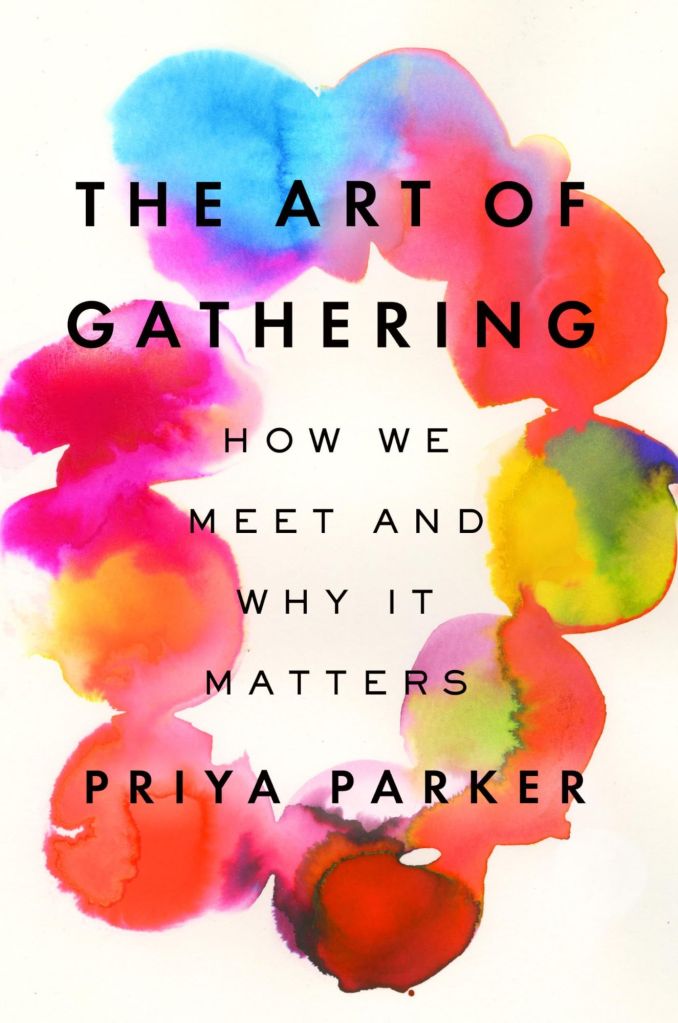
Priya Parker’s The Art of Gathering is a masterclass in rethinking what it means to host and participate in gatherings. Whether it’s a business meeting, family dinner, or community event, Parker argues that the purpose of a gathering should guide every decision, from the guest list to the format.
One of the book’s central lessons is the importance of being intentional. Instead of defaulting to routine, Parker challenges hosts to ask, “Why are we gathering?” Parker critiques the “rules” of social norms, encouraging readers to rethink traditions and create gatherings that are meaningful, memorable, and transformative.
From creating safe spaces for vulnerability to designing moments of shared experience, Parker shows how gatherings can deepen relationships and leave lasting impressions. In a world where virtual meetings and impersonal events are increasingly common, The Art of Gathering offers a refreshing perspective on how to create experiences that matter. Parker’s insights are as relevant for corporate leaders as they are for anyone planning a dinner party.
This book is a must-read for anyone looking to bring people together with intention, authenticity, and impact.
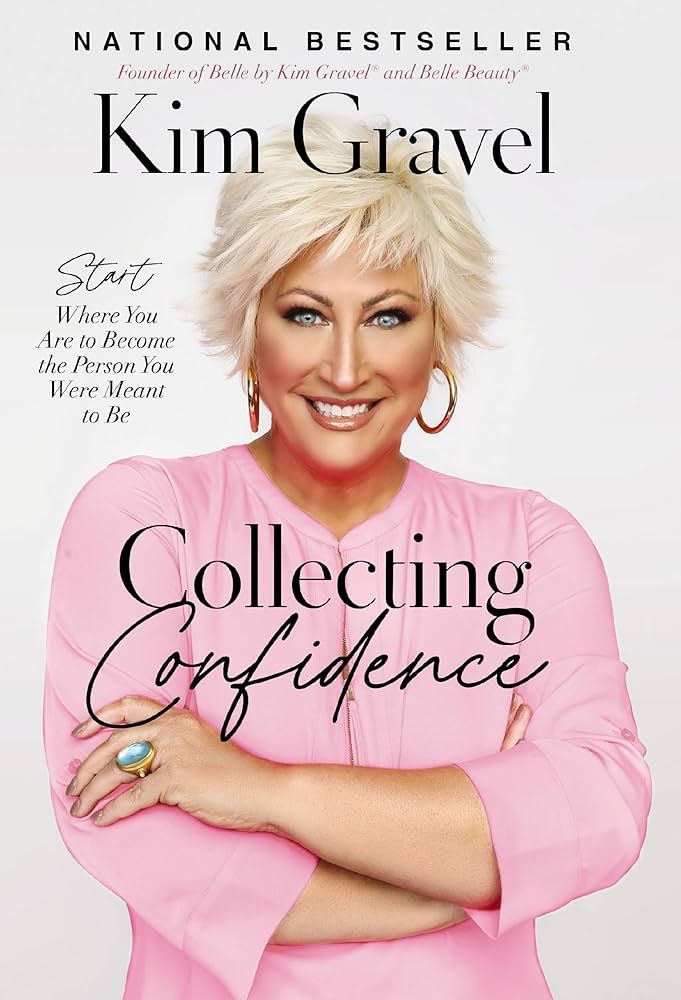
Confidence is a tricky thing; part learned skill, part mindset, and part sheer force of will. In Collecting Confidence, Kim Gravel aims to offer readers a roadmap to building self-assurance through personal anecdotes and hard-earned wisdom. The book presents itself as an inspiring guide to self-belief, but for me, it fell short in a few key ways.
Gravel is undoubtedly an engaging storyteller. Her Southern charm and candid reflections make for easy listening (I read the audible version), and some of her experiences, especially those tied to resilience and personal growth, are relatable. She also emphasizes that confidence isn’t about having all the answers but about stepping forward anyway, which is a message many people need to hear.
Additionally, the book’s structure, framed around collecting lessons over time rather than achieving instant self-assurance, is a refreshing take. It acknowledges that confidence is an evolving process, which aligns with real-world experience.
For a book promising actionable confidence-building strategies, I found Collecting Confidence too heavy on personal anecdotes and too light on practical takeaways. Many of Gravel’s stories, while engaging, felt more like a memoir than a structured self-improvement guide. If you’re looking for a deeper dive into the psychology of confidence or research-backed strategies, this book isn’t the one for you.
This book is very heavy on faith-based messaging. While that’s certainly an authentic part of Gravel’s perspective, it was woven into the book in a way that felt less like a universal lesson and more like a directive. As someone who doesn’t share her faith-based approach, I found it difficult to connect with the book’s core message in the way I’d hoped. Rather than presenting confidence as something anyone can build through mindset shifts and action, it often leaned into the idea of divine timing and trusting in God’s plan.
If you enjoy books that blend personal storytelling with inspiration, especially from an author with a strong faith perspective, Collecting Confidence might resonate with you. But if you’re looking for a more structured, research-backed approach to confidence-building, you might find yourself wishing for something more substantial.
Ultimately, while I appreciate Gravel’s sincerity and storytelling ability, the book didn’t quite hit the mark for me. Confidence is something we all have to collect in our own way, and for my journey, I prefer insights grounded in psychology, actionable strategies, and broader applicability.
Would love to hear from you! Did Collecting Confidence work for you? If so, what were your key takeaways?
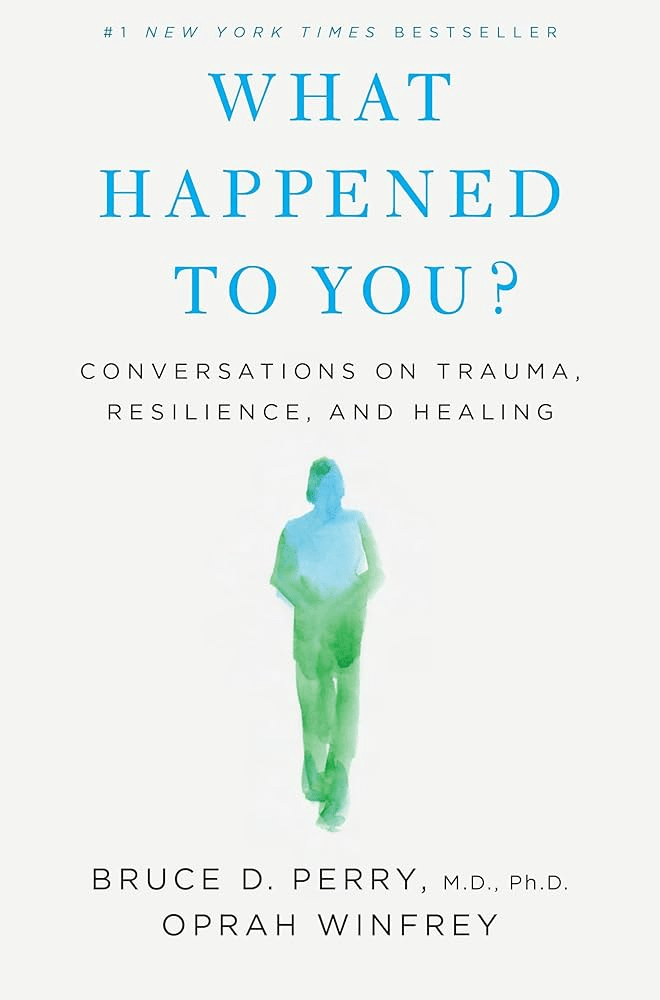
I recently had the pleasure of listening to the book What Happened to You? Conversations on Trauma, Resilience, and Healing by Oprah Winfrey and Dr. Bruce Perry. This book is a compelling exploration of how early experiences shape our lives. Rather than asking, “What’s wrong with you?”, Winfrey & Perry reframe the question to “What happened to you?” a shift that fosters empathy, understanding, and healing. This perspective isn’t just relevant in personal growth and therapy; it also has profound implications for leadership, teamwork, and workplace culture.
Through a series of conversations with Oprah, Dr. Perry, a renowned neuroscientist, explains how childhood experiences shape brain development. Repeated stress or trauma in early years can create long-term behavioral patterns, often misinterpreted as personality flaws rather than adaptations to past experiences. As a corporate executive, I couldn’t help considering this at work in a professional setting. Instead of immediately labeling an employee as “difficult” or “unmotivated,” leaders can consider what factors, both past and present, may be influencing their behavior. This shift in perspective can lead to more productive conversations and better support systems for employees who may be struggling.
One of the book’s core lessons is that people need to feel emotionally and physically safe before they can engage in logical thinking or problem-solving. When someone is in a heightened emotional state, whether due to stress, burnout, or past trauma, their ability to process information and respond effectively is diminished. In the workplace, psychological safety is critical to the employee experience. Leaders who create a culture where employees feel safe expressing concerns, making mistakes, and asking for help foster a more engaged and innovative workforce. Instead of demanding immediate performance under pressure, good leaders recognize when to offer support, provide space, and help employees regulate stress before expecting peak performance.
Healing doesn’t happen in isolation. The book emphasizes the role of relationships in overcoming adversity. The more positive and stable relationships a person has, the better they can navigate challenges and build resilience. Likewise, strong workplace relationships improve collaboration, morale, and overall performance. Leaders and colleagues who build trust and open lines of communication create an environment where employees feel valued. Mentorship programs, team-building efforts, and informal check-ins can help strengthen these connections and improve workplace culture.
Behaviors often labeled as “unprofessional” or “uncooperative” may stem from past experiences rather than a lack of ability or effort. A person who avoids confrontation, struggles with feedback, or reacts defensively may be responding to deep-seated survival mechanisms rather than the immediate situation. When managing performance or addressing workplace conflicts, leaders should approach conversations with curiosity rather than judgment. Instead of immediately assuming an employee is being difficult, asking questions like “What’s going on?” or “How can I support you?” can lead to more constructive outcomes. Empathy and patience often yield better results than strict discipline or punitive measures.
Resilience isn’t just about toughness, it’s also about adaptability and support. People who have a strong network of support and access to positive experiences can better navigate stress and setbacks. Organizations that prioritize mentorship, constructive feedback, and continuous learning create employees who are not just surviving but thriving. Providing professional development opportunities, promoting work-life balance, and recognizing employees’ efforts all contribute to building a resilient, engaged workforce.
What Happened to You? is more than a book about trauma, it’s a guide to fostering understanding, resilience, and meaningful connections. Whether you’re a leader, a mentor, or simply someone striving to create a more supportive environment, the lessons in this book can help you reframe challenges with empathy and build stronger, more resilient teams.
Have you read What Happened to You? How did it impact your perspective on leadership, teamwork, or personal growth? Let’s discuss in the comments!
What does it really take to lead well when the outcome is uncertain, the work is highly visible, and failure affects more than just you?
Those are some of the questions I return to whenever I step into something new. Every new opportunity brings energy and possibility, but it also brings exposure and vulnerability. There is no way to fully lead from the sidelines. At some point, you have to enter the arena before you know exactly how things will unfold.
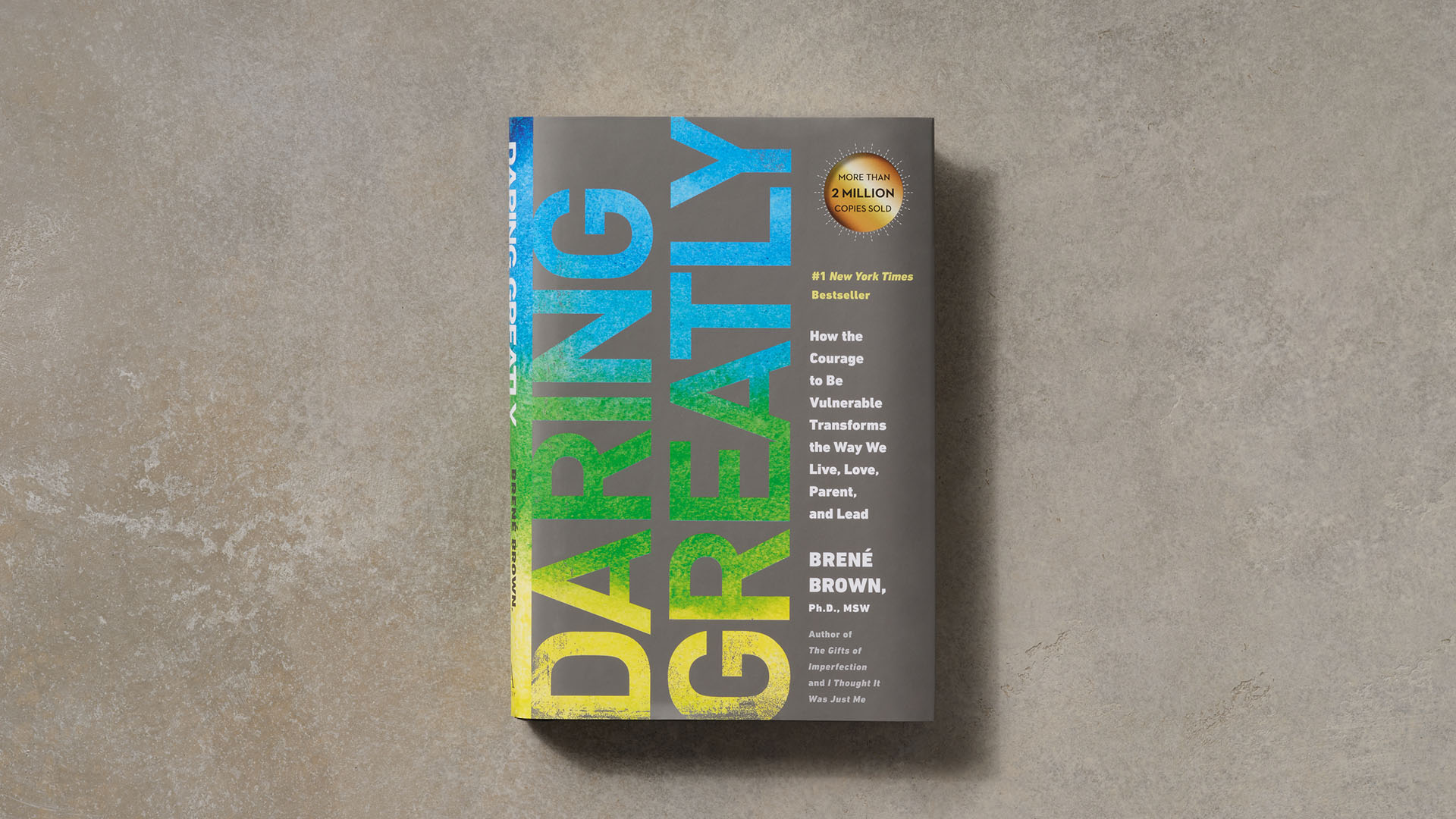
That is why I return to Daring Greatly by Brené Brown at the beginning of every new professional chapter. My first professional mentor gave me a copy when I graduated from our formal mentorship program, and it has stayed with me ever since. I have read it many times, but I revisit it most intentionally when I need a reset. When I stepped into my first executive role, it was one of the first books I picked up again.
What continues to challenge me most about Brown’s work is the idea that vulnerability is not something leaders should outgrow. It is something they have to practice. That still feels counterintuitive at times. Leadership is often associated with certainty, polish, and quick answers. But Daring Greatly argues for something more demanding: the courage to show up fully, take meaningful risks, and stay engaged through the uncertainty, feedback, and discomfort that accompany worthwhile work.
That idea matters because leadership is not only about having a strong point of view. It is also about creating the conditions where others can contribute honestly. In practice, that means naming uncertainty instead of pretending to have every answer. It means asking better questions, inviting dissent, and making room for learning. Teams do not build trust because leaders appear infallible. They build trust when leaders are clear about their values, transparent about tradeoffs, and willing to engage in difficult conversations rather than avoid them.
One of the most practical lessons I have carried forward is this: treat vulnerability as a leadership discipline, not a personality trait.
Like any discipline, it requires intentional practice. Build routines that make candor both safe and useful. Ask what others are seeing that you may be missing. Reward thoughtful risk-taking, not just flawless execution. Address tension while it is still productive, before it grows into dysfunction.
Vulnerability also requires discernment. Not every criticism deserves equal weight. The voices that matter most are not always the loudest; they are the ones willing to step into the arena, engage honestly, and help move the work forward.
For those reasons, Daring Greatly continues to sit close by, both literally and figuratively. I also keep a framed copy of Theodore Roosevelt’s Man in the Arena speech in my office as a reminder of where to focus my attention. It reminds me to value the people who are willing to wrestle with difficult problems, contribute to meaningful work, and keep showing up when the path forward is unclear, while letting go of the judgments of those who choose to remain on the sidelines.
Every time I return to this book, I find myself asking the same question:
Where am I being invited to lead more courageously, not because I have certainty, but because the work matters enough to step into the arena anyway?
 Rosemarie L. Cordell