Book Review: Extreme Ownership

I picked up Extreme Ownership by Jocko Willink and Leif Babin expecting a book about discipline, accountability, and military leadership. I found a practical leadership philosophy instead. It applies just as much to boardrooms, operations teams, and cross functional work. This philosophy is as relevant to those areas as it is to the battlefield.
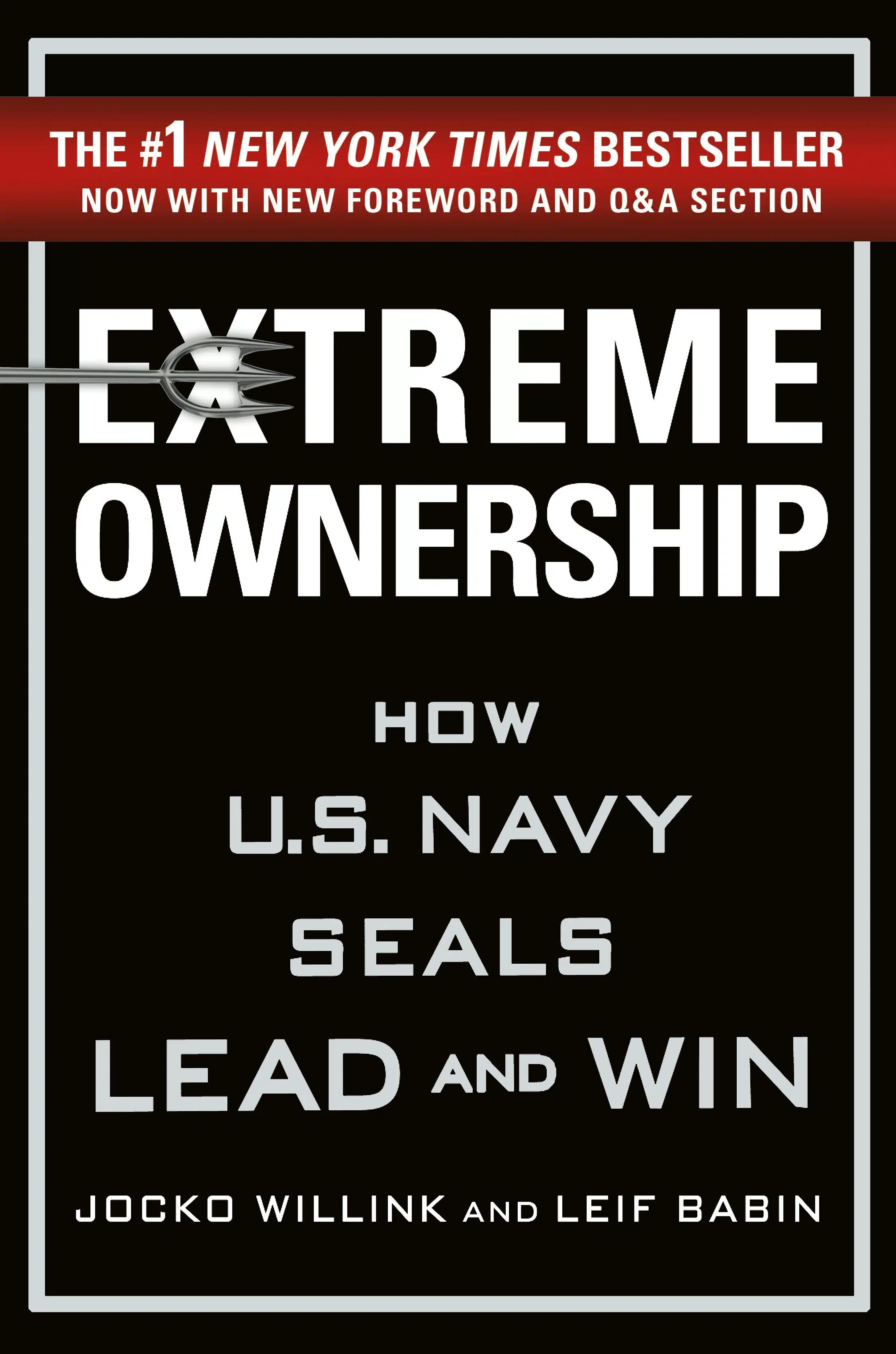
At its core, this book asks leaders to confront a simple but uncomfortable question. Where am I responsible, even when it would be easier to blame circumstances, systems, or other people? One of the most quoted ideas from the book is also the most challenging. It states: “There are no bad teams, only bad leaders.” That statement can feel harsh at first. But read through a leadership lens, it becomes empowering. Extreme ownership does not mean taking blame for everything that goes wrong. It means taking responsibility for the conditions you create as a leader. When leaders own outcomes, they stop waiting for permission to fix problems. They move from explanation to action.

A recurring theme throughout the book is that failure often comes from confusion, not capability. Teams struggle when priorities are unclear or constantly shifting. The authors emphasize that leaders must keep plans simple and ensure everyone understands the why, not just the what. “If the frontline troops do not understand the mission, they cannot execute it.” In business, this shows up when teams are overloaded with initiatives, conflicting metrics, or unclear decision rights. Extreme ownership requires leaders to slow down enough to create clarity so teams can move faster with confidence.

One of the most practical concepts in the book is decentralized command. Leaders should not try to control every decision. Instead, they should empower people closest to the work with the authority to act. This approach only works when leaders have put in the work up front to ensure alignment. When goals, guardrails, and trust are in place, teams can adapt quickly without constant escalation. This resonated deeply for me. Strong leaders are not bottlenecks. They are force multipliers!

Another powerful takeaway is the role of ego in leadership breakdowns. Ego shows up as defensiveness, the need to be right, or resistance to feedback.  “Implementing extreme ownership requires checking your ego and operating with a high degree of humility.” Leadership growth often begins with asking better questions of ourselves. What am I missing? How might my approach be contributing to this outcome? What feedback am I avoiding? Owning results means being willing to look inward before pointing outward.

Although the stories in Extreme Ownership originate from combat, the lessons translate cleanly into modern organizations navigating change, uncertainty, and complexity. Today’s leaders are balancing performance with empathy, speed with sustainability, and accountability with trust. Extreme ownership fits squarely in that tension. This book reminds us that leadership is not about control. It is about responsibility.

What I appreciated most about Extreme Ownership is that it does not offer shortcuts. It offers standards. Taking ownership is not always comfortable. It requires self awareness, consistency, and courage. But it also creates stronger teams, clearer outcomes, and leaders who are respected rather than feared. For leaders looking to sharpen accountability without sacrificing collaboration, this book is a compelling read.
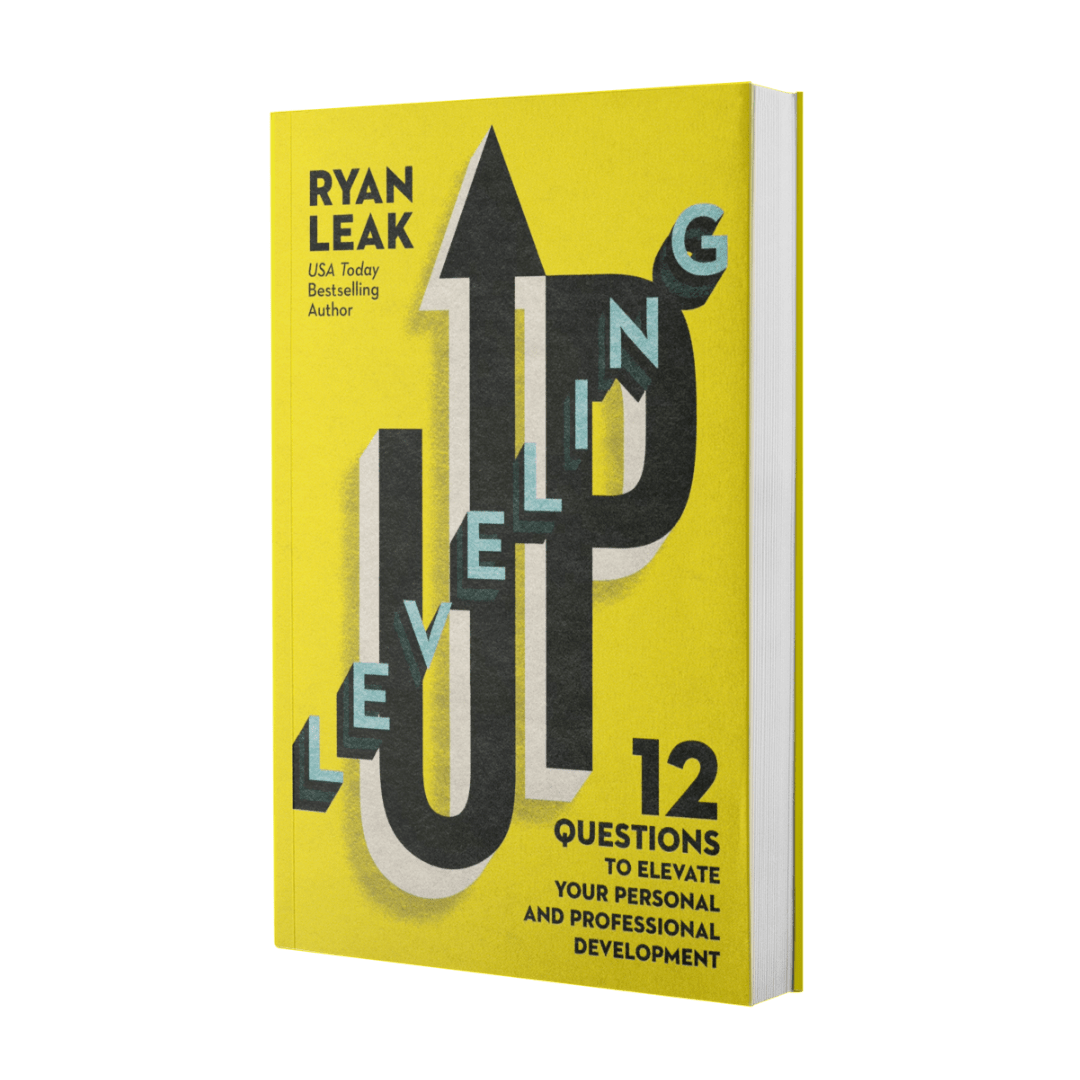
Book Review: Leveling Up by Ryan Leak

When I heard Ryan Leak speak at a leadership conference in January, one phrase landed hard with me: “fail forward.” That message came to life even more as I read his book Leveling Up. At the time, I was in a relatively new executive role and navigating the uncertainty and stretch that comes with it. Leak’s perspective reframed failure for me, not as a stopping point, but as data I could use to grow.

Since then, I have gone on to read all of his books, but Leveling Up is the one that continues to shape my day-to-day leadership. Leak makes a compelling case that growth does not happen when we wait for perfect conditions. It happens when we are willing to move forward before we feel fully ready. That lesson is especially relevant for leaders, because our teams often need to see us take the first step before they will feel comfortable doing the same.

It can be tempting to see obstacles as proof that we are not cut out for the next step, but Leak encourages us to interpret them differently. If things feel too easy, we are probably not stretching ourselves. For me, that shift in perspective has been powerful. Challenges are not signs of weakness, but signs of progress.Failures and setbacks are not evidence that we should stop, but opportunities to learn and adjust. This idea of failing forward is not just about personal growth, but also about how we lead others. When teams see failure treated as information rather than punishment, they become more willing to innovate, to take risks, and to bring forward new ideas.

One of the things that makes Leveling Up so powerful is how Ryan Leak frames growth around twelve guiding questions. These are not meant to be answered once and filed away, but to be lived with, wrestled with, and returned to often. As I reflected on them, I found they naturally fall into three themes: vision, connection, and rhythm.

When it comes to vision, Leak pushes us to define success on our own terms and to stay aware of how we show up for others. He asks, What is my definition of success? What is it like to be on the other side of me? How can I get better? These questions invite clarity, honesty, and humility. They are qualities every leader needs.

The theme of connection focuses on how we interact with and support others. Questions like What credit can I give away? Whose dream do I need to support? What mistakes can I own? remind me that leadership is not only about personal achievement. It is about lifting others up and creating space for shared wins.

Finally, there is the theme of rhythm, the pace and posture with which we move through life. Leak challenges us with questions like What risk do I need to take? What is the right thing to do? How am I managing my time? Do I have to do it all? Am I enjoying it? Who knows who I really am? These are the questions that hit hardest in the daily grind, because they call us back to balance, authenticity, and joy.

Seeing all twelve questions together makes it clear why Leak calls this book Leveling Up. They are not about chasing perfection. They are about building awareness and courage at every stage of growth. They serve as checkpoints that help us see where we are, where we are headed, and how we want to show up along the way.

  1. What is my definition of success?
  2. What is it like to be on the other side of me?
  3. How can I get better?
  4. What credit can I give away?
  5. What mistakes can I own?
  6. What risk do I need to take?
  7. Whose dream do I need to support?
  8. What is the right thing to do?
  9. How am I managing my time?
  10. Do I have to do it all?
  11. Am I enjoying it?
  12. Who knows who I really am?

Leveling Up is both motivating and practical, blending inspiration with tools that leaders can apply right away. It is a book about courage, mindset, and the small but meaningful choices that move us toward the next version of ourselves. For me, it has been a reminder to stop waiting for the perfect moment and to embrace the process of growth, with all of its challenges and rewards.

As I continue to reflect on Leak’s work, I find myself asking the same question I will pose here: what is the next area of your life or leadership that you are ready to level up?