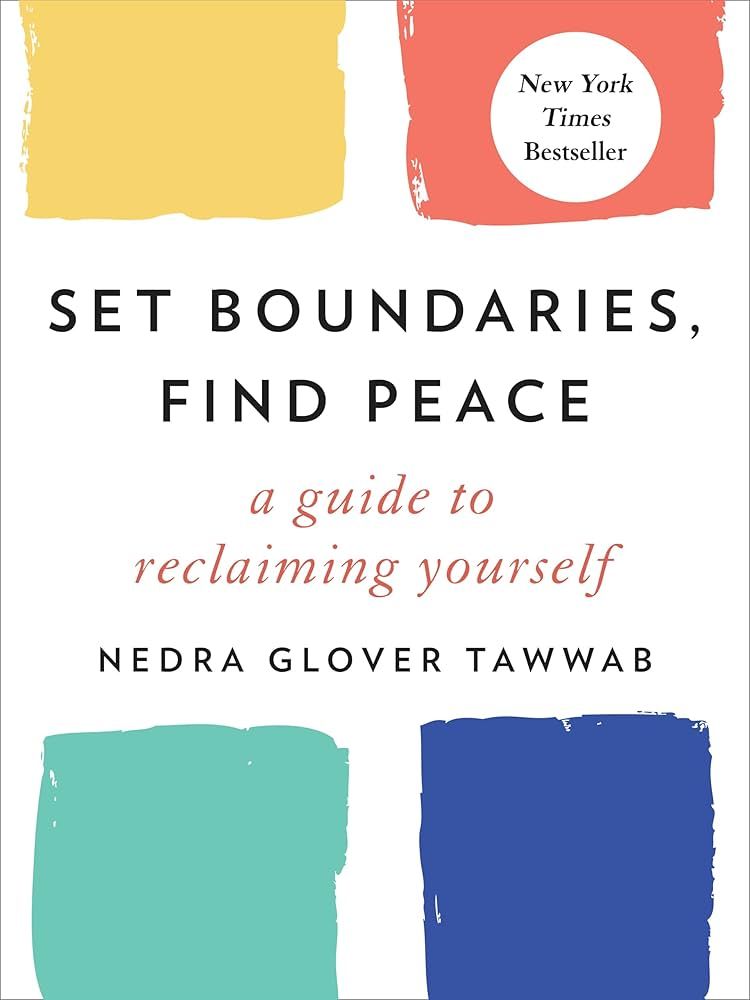
Nedra Glover Tawwab’s Set Boundaries, Find Peace is a reminder that boundaries are not barriers. They are a way to create clarity, protect our well-being, and strengthen relationships both at work and in our personal lives. The book offers practical tools that help shift the idea of boundaries from something restrictive to something that builds healthier connections.
One of the strongest points Tawwab makes is that boundaries are an act of respect. They are not designed to keep others away but to define how we can engage with each other in ways that feel sustainable. For leaders, this lesson is powerful. Boundaries set the tone for what is expected and allow teams to function without the frustration of unspoken assumptions. I have seen firsthand how the absence of clear boundaries creates confusion and drains energy. On the other hand, when expectations are communicated openly, the result is stronger alignment and a healthier team dynamic.
The book also emphasizes that boundaries are deeply tied to peace of mind. They protect our ability to be present and to contribute where we are needed most. Without them, it is easy to slip into exhaustion, resentment, or burnout. In my own role, I have experienced the temptation to always be available or to take on more than is realistic. It can feel like a sign of commitment, but it is rarely sustainable. Reading Tawwab’s work reminded me that boundaries are not selfish. They are essential if we want to remain effective leaders over the long term.
What resonated most with me was how Tawwab reframed boundaries as tools for communication and connection. Setting boundaries is not about control but about ensuring that our best energy is reserved for the work and relationships that matter most. This is something I continue to practice. Protecting focus time on my calendar, honoring family commitments, and defining ownership across my team are small but important ways to maintain balance. When leaders model these behaviors, it signals to others that it is acceptable to do the same.
The impact extends beyond the individual, creating a culture where trust and respect are valued more than constant availability.
Set Boundaries, Find Peace is more than a self-help book. It is a guide to creating balance and clarity in a world that constantly demands more of us. For me, it was both a reminder and a challenge. The reminder is that peace is possible when we draw clear lines around our time and energy. The challenge is to keep practicing those boundaries daily, even when it feels easier to give in.
After reading this book, I find myself reflecting on which boundaries in my life still need strengthening. That may be the most valuable part of Tawwab’s message: it invites us not only to learn but also to act. If you read this book, I encourage you to pause and identify one area where you could set a clearer boundary this week. It may be a small step, but it could be the first step toward finding more peace.