Book Review: Leveling Up by Ryan Leak

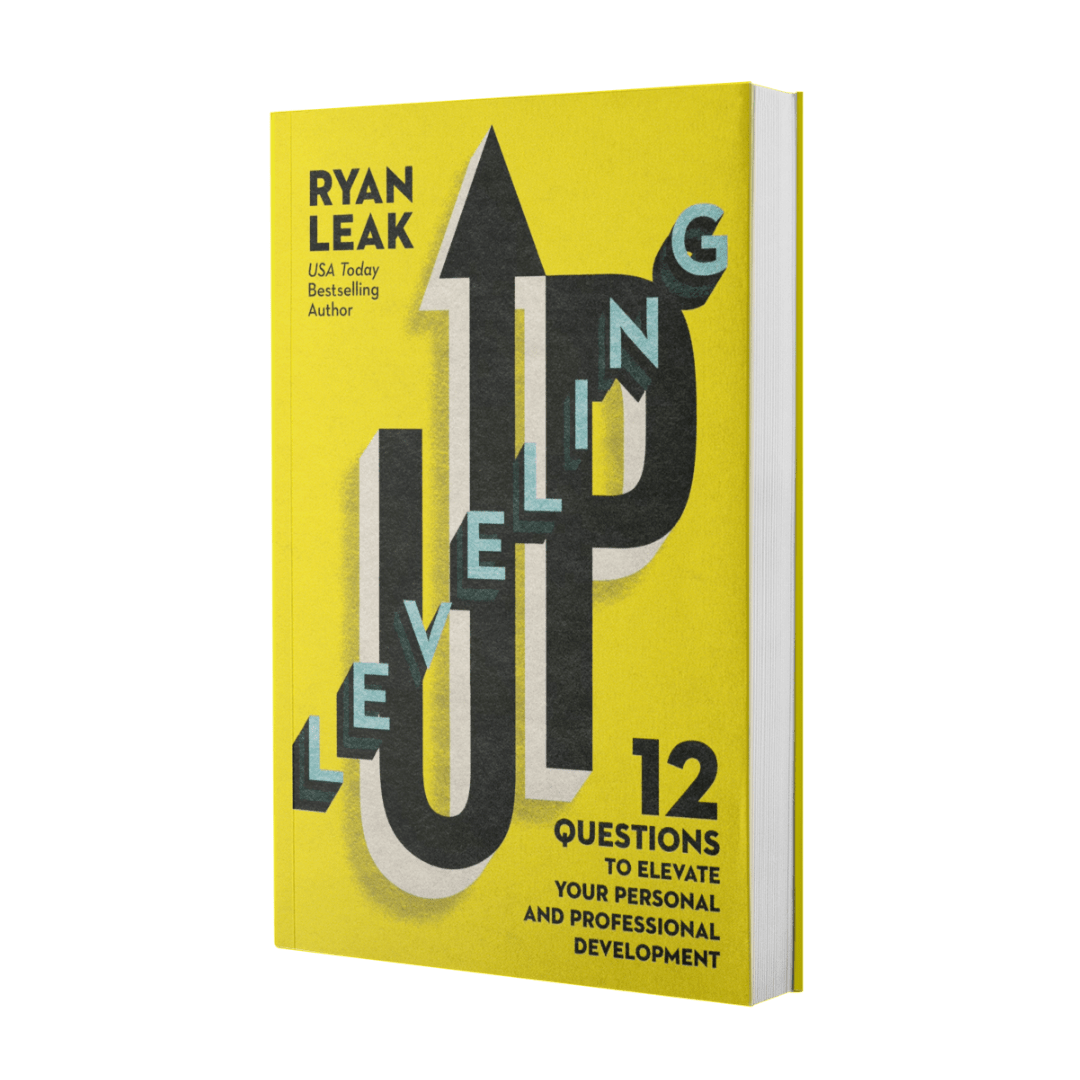
When I heard Ryan Leak speak at a leadership conference in January, one phrase landed hard with me: “fail forward.” That message came to life even more as I read his book Leveling Up. At the time, I was in a relatively new executive role and navigating the uncertainty and stretch that comes with it. Leak’s perspective reframed failure for me, not as a stopping point, but as data I could use to grow.

Since then, I have gone on to read all of his books, but Leveling Up is the one that continues to shape my day-to-day leadership. Leak makes a compelling case that growth does not happen when we wait for perfect conditions. It happens when we are willing to move forward before we feel fully ready. That lesson is especially relevant for leaders, because our teams often need to see us take the first step before they will feel comfortable doing the same.

It can be tempting to see obstacles as proof that we are not cut out for the next step, but Leak encourages us to interpret them differently. If things feel too easy, we are probably not stretching ourselves. For me, that shift in perspective has been powerful. Challenges are not signs of weakness, but signs of progress.Failures and setbacks are not evidence that we should stop, but opportunities to learn and adjust. This idea of failing forward is not just about personal growth, but also about how we lead others. When teams see failure treated as information rather than punishment, they become more willing to innovate, to take risks, and to bring forward new ideas.

One of the things that makes Leveling Up so powerful is how Ryan Leak frames growth around twelve guiding questions. These are not meant to be answered once and filed away, but to be lived with, wrestled with, and returned to often. As I reflected on them, I found they naturally fall into three themes: vision, connection, and rhythm.

When it comes to vision, Leak pushes us to define success on our own terms and to stay aware of how we show up for others. He asks, What is my definition of success? What is it like to be on the other side of me? How can I get better? These questions invite clarity, honesty, and humility. They are qualities every leader needs.

The theme of connection focuses on how we interact with and support others. Questions like What credit can I give away? Whose dream do I need to support? What mistakes can I own? remind me that leadership is not only about personal achievement. It is about lifting others up and creating space for shared wins.

Finally, there is the theme of rhythm, the pace and posture with which we move through life. Leak challenges us with questions like What risk do I need to take? What is the right thing to do? How am I managing my time? Do I have to do it all? Am I enjoying it? Who knows who I really am? These are the questions that hit hardest in the daily grind, because they call us back to balance, authenticity, and joy.

Seeing all twelve questions together makes it clear why Leak calls this book Leveling Up. They are not about chasing perfection. They are about building awareness and courage at every stage of growth. They serve as checkpoints that help us see where we are, where we are headed, and how we want to show up along the way.

  1. What is my definition of success?
  2. What is it like to be on the other side of me?
  3. How can I get better?
  4. What credit can I give away?
  5. What mistakes can I own?
  6. What risk do I need to take?
  7. Whose dream do I need to support?
  8. What is the right thing to do?
  9. How am I managing my time?
  10. Do I have to do it all?
  11. Am I enjoying it?
  12. Who knows who I really am?

Leveling Up is both motivating and practical, blending inspiration with tools that leaders can apply right away. It is a book about courage, mindset, and the small but meaningful choices that move us toward the next version of ourselves. For me, it has been a reminder to stop waiting for the perfect moment and to embrace the process of growth, with all of its challenges and rewards.

As I continue to reflect on Leak’s work, I find myself asking the same question I will pose here: what is the next area of your life or leadership that you are ready to level up?

Book Review: Do Nothing

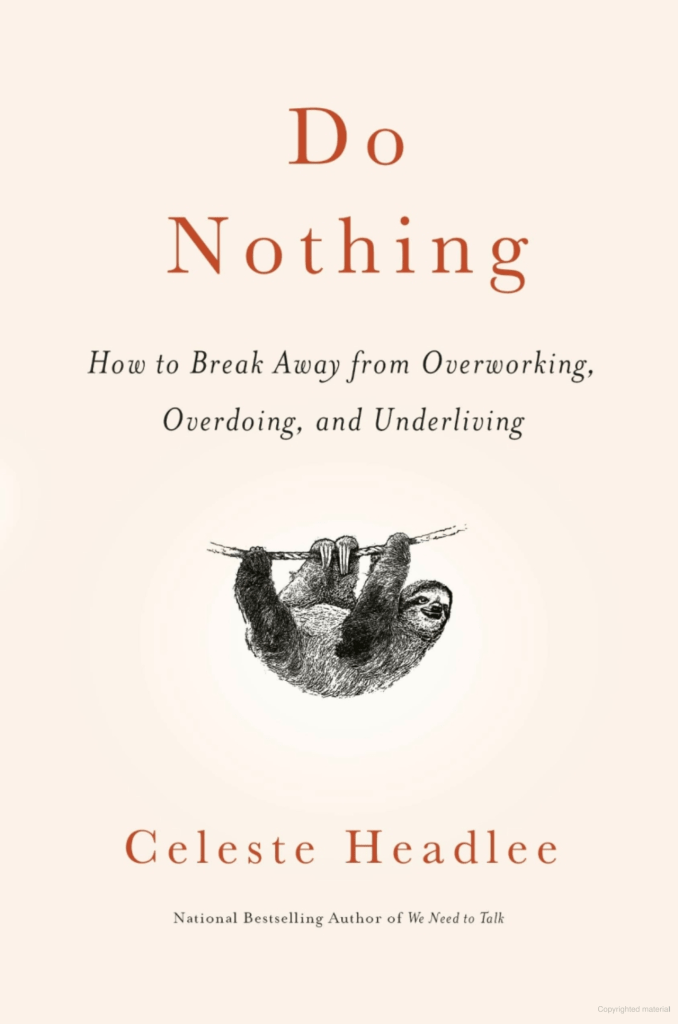
In today’s world, where busyness often equates to success, Celeste Headlee’s Do Nothing: How to Break Away from Overworking, Overdoing, and Underliving provides a much-needed perspective on the cost of hustle culture. This book is a manifesto for reclaiming our humanity by challenging the habits that perpetuate overwork.

In her book, Headlee explores the historical and cultural factors driving our obsession with productivity, linking our self-worth to our achievements from the Industrial Revolution onwards. She demonstrates through research that prioritizing busyness negatively impacts our well-being and relationships. The central argument is that being busy does not equate to productivity, happiness, or fulfillment; in fact, it often results in stress, burnout, and a disconnection from what truly matters in life.

What sets Do Nothing apart is its actionable advice. Headlee not only highlights the problem but also offers solutions, focusing on mindfulness, prioritization, and the science of rest. Headlee argues that leisure is essential for a balanced life. By embracing intentional rest, we can recharge and engage more fully with our surroundings. In a world dominated by notifications and to-do lists, Headlee’s call to pause and question our relentless drive feels radical. This book made me reflect on my habits; am I working more out of desire or because of a societal narrative that demands it? Disentangling the two isn’t easy, but Headlee’s insights offer a starting point for self-reflection.

If you’ve felt overwhelmed by the relentless pace of modern life, Do Nothing offers validation and relief. It’s about finding a sustainable rhythm that allows you to thrive. With its blend of historical context, psychological research, and practical advice, this book is essential for anyone wanting to escape overwork and create a meaningful life. By the final chapter, you’ll understand the importance of doing less and feel empowered to make it a reality.

Have you read Do Nothing? What was your biggest takeaway? Share your thoughts in the comments!

Book review: Daring greatly

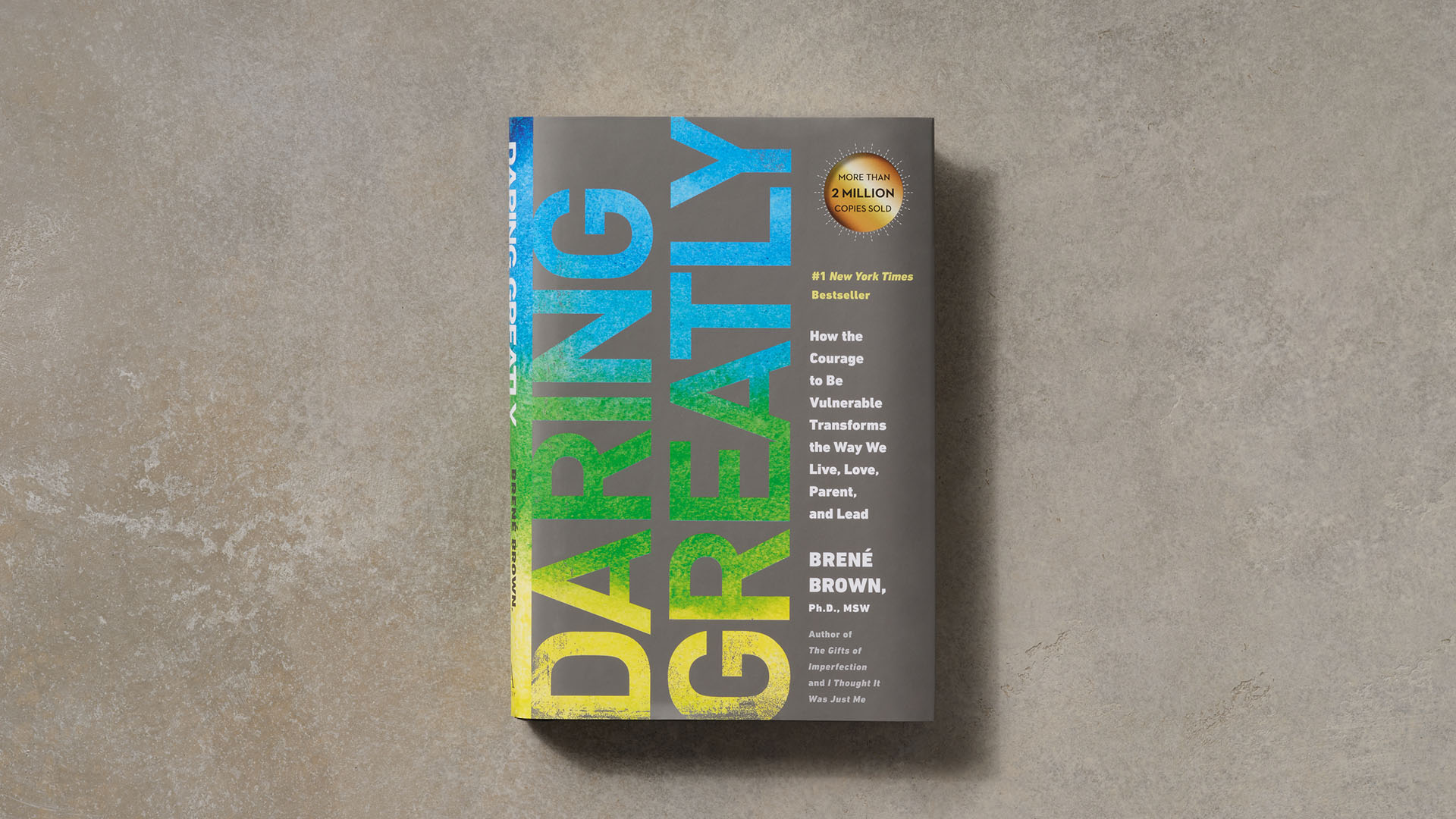
Whenever I start a new job, I reread Daring Greatly by Brené Brown. My very first professional mentor gifted me a copy when I graduated the formal mentorship program we were paired in. It continues to be a guiding force to me professionally and personally. I’ve reread this book numerous times. I always pick it up again as a reset when starting a new workplace adventure. My newest role, my first executive position, is no exception. Immediately after accepting the job offer, I cued up the audio version of Daring Greatly and got to work.

To say I love Brené Brown would be a gross understatement. She is my guru, the voice in my head, and my accountabilibuddy. She has no idea, of course, but that’s okay with me. I’m not alone in this Brené fan club; I’m in good company. But why do I keep going back to Daring Greatly? Why is that titular Roosevelt quote framed in my office? Lets get to it.

Brown’s exploration of vulnerability as a strength, not a weakness, is profoundly relevant for anyone taking on a leadership role. The title of the book takes inspiration from Theodore Roosevelt’s “Man in the Arena.” Roosevelt’s speech at the Sarbonne captures the heart of Brené’s book. True courage comes from showing up, taking risks, and daring to engage fully. This applies even when success isn’t guaranteed. For me, this has meant embracing the uncertainty and challenge of a new role with openness and authenticity.

Brown’s insights are especially powerful for leaders striving to foster a culture of trust and innovation. Her research underscores that vulnerability isn’t just personal, it’s organizational. Teams thrive when leaders create environments where candor and creativity are welcomed, not punished.

If you’re preparing for a new challenge or seeking inspiration in your career, I highly recommend Daring Greatly. It reminds us that impactful leaders do not avoid risk. They step into the arena with courage and heart. The best leaders are rooted in their values and rumble with vulnerability and authenticity.

I would love to hear your thoughts on Daring Greatly! Did it make an impact on you or influence your career? Drop a comment below!