blog

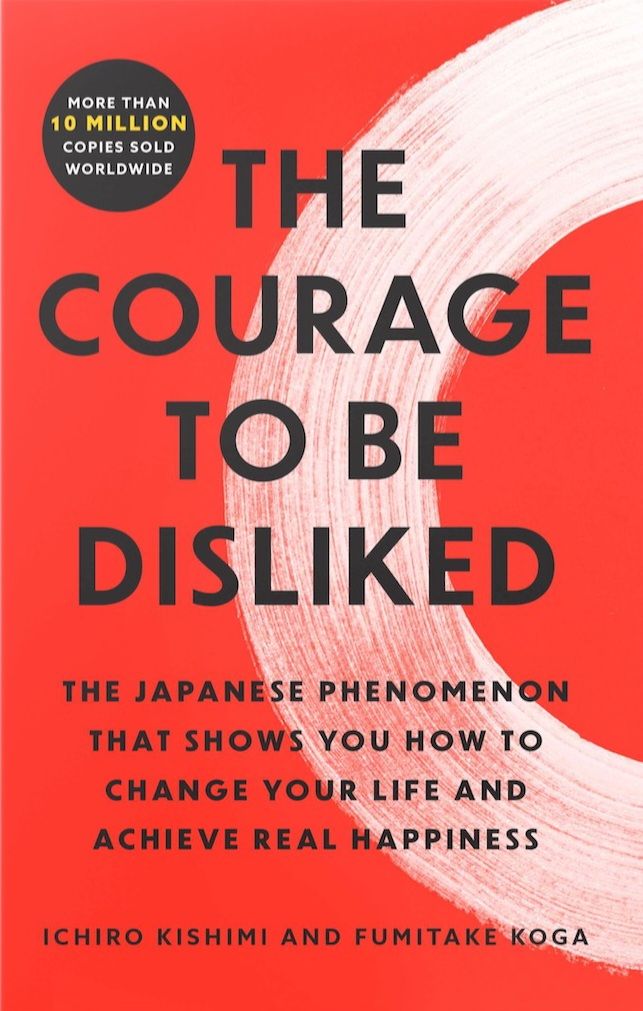
Book Review: The Courage to Be Disliked

Every once in a while, a book challenges you to rethink the way you show up in the world. The Courage to Be Disliked by Ichiro Kishimi and Fumitake Koga did exactly that for me.

On the surface, it’s a philosophical dialogue between a teacher and a student. Beneath that, it’s a mirror that reflects how deeply we tie our sense of worth to what others think of us. As someone who cares very deeply about “being liked”, this book cracked me open to my very core.


“The courage to be happy also includes the courage to be disliked.” That line stopped me in my tracks. It’s not about being indifferent to others. It’s about recognizing that our worth doesn’t depend on meeting everyone’s expectations. As a leader, that’s both freeing and difficult to live out. Many of us build our careers on earning trust, respect, and results. But when external validation becomes the source of our identity, we end up chasing approval instead of purpose.


This book challenges a mindset that often hides beneath ambition: that success equals acceptance. The truth is, growth and discomfort are inseparable. “When one is disliked by another person, it means that one is free from that person’s task.” That concept reframed how I think about conflict, boundaries, and even feedback.


In leadership, you cannot create meaningful change while trying to please everyone. Real progress demands authenticity, and authenticity will always make someone uncomfortable. The more I sat with that, the more I understood that courage isn’t loud or defiant. Sometimes, it’s quiet and steady, rooted in clarity about who you are and what truly matters.


Another powerful message in The Courage to Be Disliked is that freedom and responsibility are two sides of the same coin. “Freedom is being disliked by other people.” It’s a reminder that when we stop living by others’ expectations, we also lose the excuse of blaming them for our outcomes. True freedom comes when we accept ownership for our choices, actions, and happiness.


That idea resonates deeply in leadership. The higher we climb, the fewer people there are to blame when things go wrong. Accepting full responsibility can feel heavy, but it’s also empowering. It means you have the agency to change what isn’t working and to lead from conviction rather than fear.


If you’re someone who feels the weight of expectations, The Courage to Be Disliked offers an invitation to release that burden. It’s not an easy read emotionally, because it forces reflection. The good news is, this is the kind of discomfort that leads to clarity.
One line I keep returning to is, “You are not living to satisfy other people’s expectations, and other people are not living to satisfy your expectations.” That simple truth has reshaped how I think about success, relationships, and leadership itself.


Courage, I’ve realized, isn’t just about bold decisions or taking big risks. Sometimes it’s about choosing peace over performance. It’s about leading with conviction even when it’s not universally liked, and learning to be okay with that.


What about you? What’s a book that’s challenged your perspective lately?

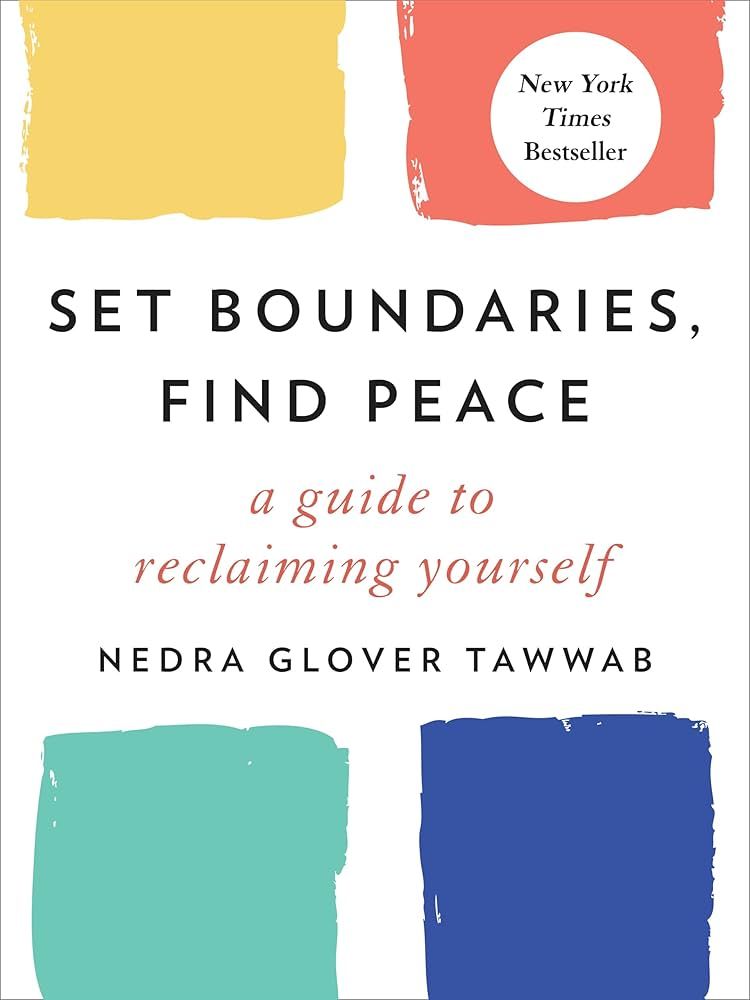
Book Review: Set Boundaries, Find Peace

Nedra Glover Tawwab’s Set Boundaries, Find Peace is a reminder that boundaries are not barriers. They are a way to create clarity, protect our well-being, and strengthen relationships both at work and in our personal lives. The book offers practical tools that help shift the idea of boundaries from something restrictive to something that builds healthier connections.


One of the strongest points Tawwab makes is that boundaries are an act of respect. They are not designed to keep others away but to define how we can engage with each other in ways that feel sustainable. For leaders, this lesson is powerful. Boundaries set the tone for what is expected and allow teams to function without the frustration of unspoken assumptions. I have seen firsthand how the absence of clear boundaries creates confusion and drains energy. On the other hand, when expectations are communicated openly, the result is stronger alignment and a healthier team dynamic.


The book also emphasizes that boundaries are deeply tied to peace of mind. They protect our ability to be present and to contribute where we are needed most. Without them, it is easy to slip into exhaustion, resentment, or burnout. In my own role, I have experienced the temptation to always be available or to take on more than is realistic. It can feel like a sign of commitment, but it is rarely sustainable. Reading Tawwab’s work reminded me that boundaries are not selfish. They are essential if we want to remain effective leaders over the long term.

What resonated most with me was how Tawwab reframed boundaries as tools for communication and connection. Setting boundaries is not about control but about ensuring that our best energy is reserved for the work and relationships that matter most. This is something I continue to practice. Protecting focus time on my calendar, honoring family commitments, and defining ownership across my team are small but important ways to maintain balance. When leaders model these behaviors, it signals to others that it is acceptable to do the same.

The impact extends beyond the individual, creating a culture where trust and respect are valued more than constant availability.
Set Boundaries, Find Peace is more than a self-help book. It is a guide to creating balance and clarity in a world that constantly demands more of us. For me, it was both a reminder and a challenge. The reminder is that peace is possible when we draw clear lines around our time and energy. The challenge is to keep practicing those boundaries daily, even when it feels easier to give in.


After reading this book, I find myself reflecting on which boundaries in my life still need strengthening. That may be the most valuable part of Tawwab’s message: it invites us not only to learn but also to act. If you read this book, I encourage you to pause and identify one area where you could set a clearer boundary this week. It may be a small step, but it could be the first step toward finding more peace.

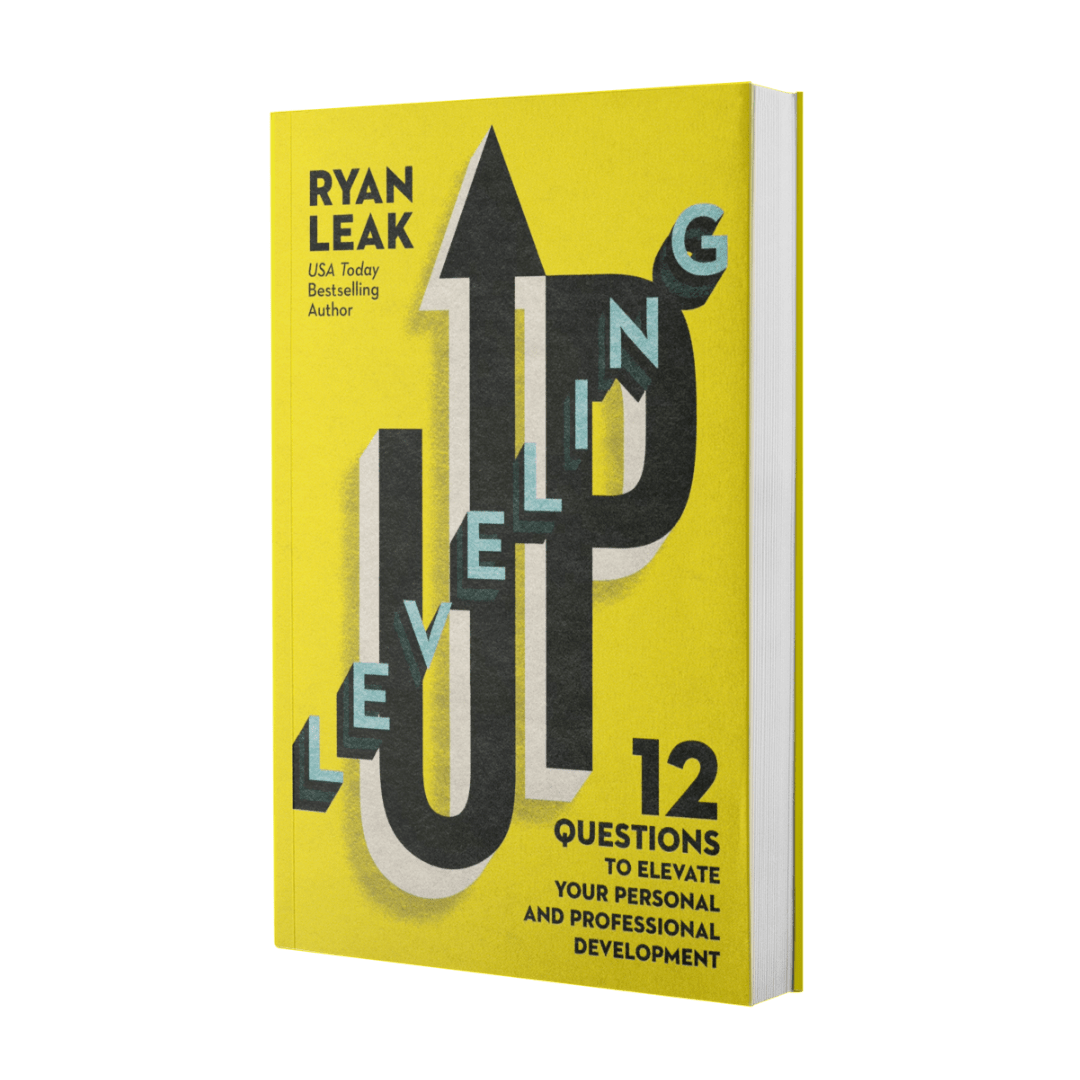
Book Review: Leveling Up by Ryan Leak

When I heard Ryan Leak speak at a leadership conference in January, one phrase landed hard with me: “fail forward.” That message came to life even more as I read his book Leveling Up. At the time, I was in a relatively new executive role and navigating the uncertainty and stretch that comes with it. Leak’s perspective reframed failure for me, not as a stopping point, but as data I could use to grow.

Since then, I have gone on to read all of his books, but Leveling Up is the one that continues to shape my day-to-day leadership. Leak makes a compelling case that growth does not happen when we wait for perfect conditions. It happens when we are willing to move forward before we feel fully ready. That lesson is especially relevant for leaders, because our teams often need to see us take the first step before they will feel comfortable doing the same.

It can be tempting to see obstacles as proof that we are not cut out for the next step, but Leak encourages us to interpret them differently. If things feel too easy, we are probably not stretching ourselves. For me, that shift in perspective has been powerful. Challenges are not signs of weakness, but signs of progress.Failures and setbacks are not evidence that we should stop, but opportunities to learn and adjust. This idea of failing forward is not just about personal growth, but also about how we lead others. When teams see failure treated as information rather than punishment, they become more willing to innovate, to take risks, and to bring forward new ideas.

One of the things that makes Leveling Up so powerful is how Ryan Leak frames growth around twelve guiding questions. These are not meant to be answered once and filed away, but to be lived with, wrestled with, and returned to often. As I reflected on them, I found they naturally fall into three themes: vision, connection, and rhythm.

When it comes to vision, Leak pushes us to define success on our own terms and to stay aware of how we show up for others. He asks, What is my definition of success? What is it like to be on the other side of me? How can I get better? These questions invite clarity, honesty, and humility. They are qualities every leader needs.

The theme of connection focuses on how we interact with and support others. Questions like What credit can I give away? Whose dream do I need to support? What mistakes can I own? remind me that leadership is not only about personal achievement. It is about lifting others up and creating space for shared wins.

Finally, there is the theme of rhythm, the pace and posture with which we move through life. Leak challenges us with questions like What risk do I need to take? What is the right thing to do? How am I managing my time? Do I have to do it all? Am I enjoying it? Who knows who I really am? These are the questions that hit hardest in the daily grind, because they call us back to balance, authenticity, and joy.

Seeing all twelve questions together makes it clear why Leak calls this book Leveling Up. They are not about chasing perfection. They are about building awareness and courage at every stage of growth. They serve as checkpoints that help us see where we are, where we are headed, and how we want to show up along the way.

  1. What is my definition of success?
  2. What is it like to be on the other side of me?
  3. How can I get better?
  4. What credit can I give away?
  5. What mistakes can I own?
  6. What risk do I need to take?
  7. Whose dream do I need to support?
  8. What is the right thing to do?
  9. How am I managing my time?
  10. Do I have to do it all?
  11. Am I enjoying it?
  12. Who knows who I really am?

Leveling Up is both motivating and practical, blending inspiration with tools that leaders can apply right away. It is a book about courage, mindset, and the small but meaningful choices that move us toward the next version of ourselves. For me, it has been a reminder to stop waiting for the perfect moment and to embrace the process of growth, with all of its challenges and rewards.

As I continue to reflect on Leak’s work, I find myself asking the same question I will pose here: what is the next area of your life or leadership that you are ready to level up?

Book Review: The Joy of Connection by Dr. Ruth K. Westheimer

Dr. Ruth’s final book, The Joy of Connection, is more than a reflection on her remarkable life. It is a reminder that connection is essential to who we are, both personally and professionally.


At 95, Dr. Ruth shares lessons from a lifetime of resilience, relationships, and reaching people where they are. She writes about connection as a daily practice. It is not something we stumble into by accident. Real connection is something we must choose, create, and nurture with care.

In my work as a leader, this message landed at just the right time. Our teams are focused on being more intentional with in-person time with each other. That shift is not just about where we work. It’s about how we build trust, strengthen teams, and foster a sense of belonging that does not happen through screens alone.

Dr. Ruth’s words reminded me that connection does not need to be complicated. It just needs to be real. A shared laugh, an unhurried conversation, or a moment of eye contact can lay the foundation for something meaningful. These small acts create stronger teams, better decisions, and more resilient cultures.

If your organization is working to rebuild or deepen human connection, this book offers a timeless perspective in under 150 pages. Dr. Ruth’s voice is as wise, warm, and direct as ever, and her call to connect could not be more relevant today.

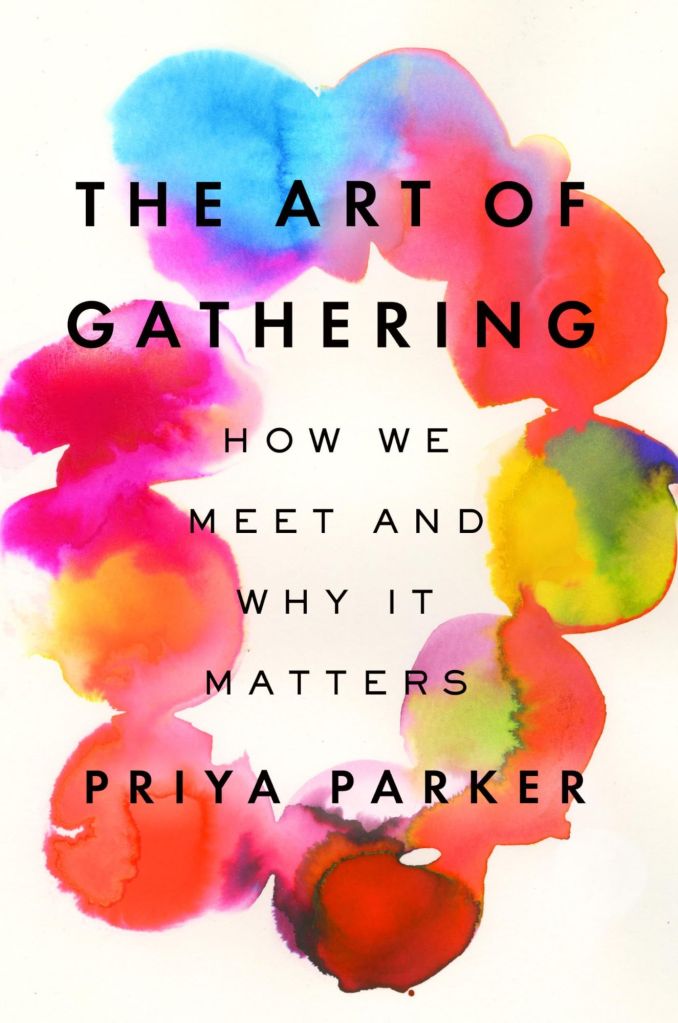
Book Review: The Art of Gathering by Priya Parker

Priya Parker’s The Art of Gathering is a masterclass in rethinking what it means to host and participate in gatherings. Whether it’s a business meeting, family dinner, or community event, Parker argues that the purpose of a gathering should guide every decision, from the guest list to the format.

One of the book’s central lessons is the importance of being intentional. Instead of defaulting to routine, Parker challenges hosts to ask, “Why are we gathering?” Parker critiques the “rules” of social norms, encouraging readers to rethink traditions and create gatherings that are meaningful, memorable, and transformative.

From creating safe spaces for vulnerability to designing moments of shared experience, Parker shows how gatherings can deepen relationships and leave lasting impressions. In a world where virtual meetings and impersonal events are increasingly common, The Art of Gathering offers a refreshing perspective on how to create experiences that matter. Parker’s insights are as relevant for corporate leaders as they are for anyone planning a dinner party.

This book is a must-read for anyone looking to bring people together with intention, authenticity, and impact.

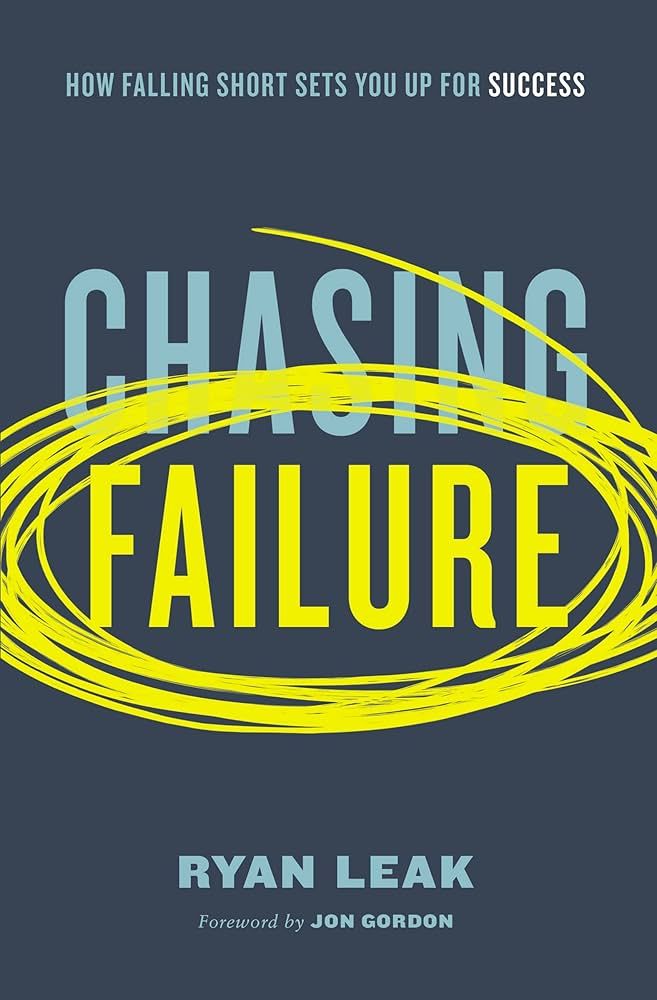
Book Review: Chasing Failure by Ryan Leak


I recently had the honor of hearing Ryan Leak speak live at my company’s annual executive leadership conference. His stage presence, authenticity, and comedic delivery had most of us adding one (or in my case, all) of his books to our digital carts before he was even done with his segment. Chasing Failure arrived first, so let’s dig right in! This book opens with a compelling question:

“What would you do if you weren’t afraid to fail?”

Leak uses Chasing Failure to urge readers to rethink how they approach fear, risk, and ambition. For anyone looking to step outside their comfort zone, this book is a powerful reminder that failure is not the end; it’s often the beginning.

Failure is inevitable and valuable. In Chasing Failure, Leak reframes failure as a necessary step on the path to growth. He shares personal stories and examples of high achievers who embraced failure as a learning tool, challenging readers to do the same.

The book encourages setting bold goals, even when the odds feel stacked against you. Leak’s own journey to try out for an NBA team, despite slim chances, epitomizes the idea of dreaming big.

Resilience is also a major theme of this book.  By shifting the focus from avoiding failure to cultivating resilience, Leak provides a roadmap for achieving sustainable success.

As someone who often juggles high-stakes decisions, Chasing Failure reminded me that perfection isn’t the goal – progress is. Leak’s conversational tone and actionable insights make it a motivating read for anyone ready to redefine their relationship with failure.

Whether you’re charting a new career path or pursuing a personal dream, this book is an inspiring guide to embracing fear, taking risks, and finding purpose in the process.

Next up on my Leak reading list is Leveling Up. Come back to the blog for a review soon! Have you read any books by Ryan Leak? If so, let me know what you think!

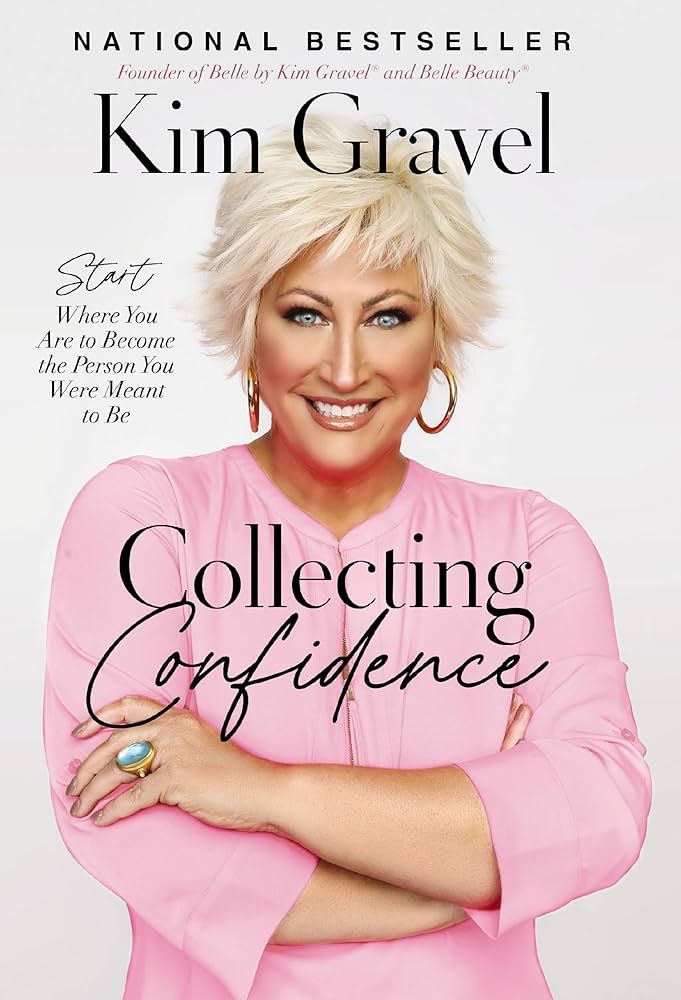
Book Review: Collecting Confidence by Kim Gravel

Confidence is a tricky thing; part learned skill, part mindset, and part sheer force of will. In Collecting Confidence, Kim Gravel aims to offer readers a roadmap to building self-assurance through personal anecdotes and hard-earned wisdom. The book presents itself as an inspiring guide to self-belief, but for me, it fell short in a few key ways.

Gravel is undoubtedly an engaging storyteller. Her Southern charm and candid reflections make for easy listening (I read the audible version), and some of her experiences, especially those tied to resilience and personal growth, are relatable. She also emphasizes that confidence isn’t about having all the answers but about stepping forward anyway, which is a message many people need to hear.

Additionally, the book’s structure, framed around collecting lessons over time rather than achieving instant self-assurance, is a refreshing take. It acknowledges that confidence is an evolving process, which aligns with real-world experience.

For a book promising actionable confidence-building strategies, I found Collecting Confidence too heavy on personal anecdotes and too light on practical takeaways. Many of Gravel’s stories, while engaging, felt more like a memoir than a structured self-improvement guide. If you’re looking for a deeper dive into the psychology of confidence or research-backed strategies, this book isn’t the one for you.

This book is very heavy on faith-based messaging. While that’s certainly an authentic part of Gravel’s perspective, it was woven into the book in a way that felt less like a universal lesson and more like a directive. As someone who doesn’t share her faith-based approach, I found it difficult to connect with the book’s core message in the way I’d hoped. Rather than presenting confidence as something anyone can build through mindset shifts and action, it often leaned into the idea of divine timing and trusting in God’s plan.

If you enjoy books that blend personal storytelling with inspiration, especially from an author with a strong faith perspective, Collecting Confidence might resonate with you. But if you’re looking for a more structured, research-backed approach to confidence-building, you might find yourself wishing for something more substantial.

Ultimately, while I appreciate Gravel’s sincerity and storytelling ability, the book didn’t quite hit the mark for me. Confidence is something we all have to collect in our own way, and for my journey, I prefer insights grounded in psychology, actionable strategies, and broader applicability.

Would love to hear from you! Did Collecting Confidence work for you? If so, what were your key takeaways?

Book Review: Radical Candor

I’ve lost count of how many times I’ve read Radical Candor by Kim Scott – well, at least four that I can recall. And every time, it brings something new into focus. It’s one of those rare business books that doesn’t just teach a concept; it challenges you to apply it, refine it, and live it in every leadership interaction.

For those unfamiliar, Radical Candor is built on a deceptively simple idea: great leaders challenge directly while caring personally. Scott maps out a framework that helps leaders strike the right balance between empathy and honesty, making difficult conversations more productive instead of demoralizing. It’s the antidote to the all-too-common traps of ruinous empathy (when you’re too nice to be clear) and obnoxious aggression (when you’re blunt without regard for the person on the receiving end).

This book has been a cornerstone in my own leadership journey. As someone who leads directors and managers, I’ve seen firsthand how easy it is to fall into patterns of avoiding hard truths or delivering them too harshly. Personally, my natural tendency leans toward being too soft, choosing kindness at the expense of clarity. Scott’s mantra, clear is kind, is a powerful reminder that avoiding difficult conversations doesn’t serve anyone in the long run. By softening feedback too much, you might risk leaving people uncertain about what needs to change, which ultimately hinders their growth and performance.

A few key takeaways that stood out to me this (fourth? fifth?) time around:

  • Radical Candor is not a license to be a jerk. There’s a difference between being clear and being cruel. The goal isn’t to be brutally honest but to be constructively direct.
  • Feedback is a gift, not a weapon. When done right, it builds trust instead of eroding it. Creating a culture of feedback takes intention, consistency, and a willingness to model it yourself.
  • Leadership is about relationships, not power. The strongest teams thrive on mutual respect and open dialogue. The best leaders don’t just correct mistakes, they coach people to grow.
  • Balancing kindness with clarity is key. If you naturally lean toward being too empathetic, remember that directness, when delivered with care, isn’t unkind. It’s actually the most respectful thing you can do for your team.

Each time I revisit this book, I gain renewed clarity. I learn more about how I want to show up as a leader, and the type of leadership I hope to inspire in others. It’s the type of read that sticks with you long after you turn the last page, and it’s why I’ll probably find myself picking it up again in the future and why I’ll continue to recommend this book to others.

Have you read Radical Candor? What stood out to you? I’d love to hear how it’s shaped your leadership approach.

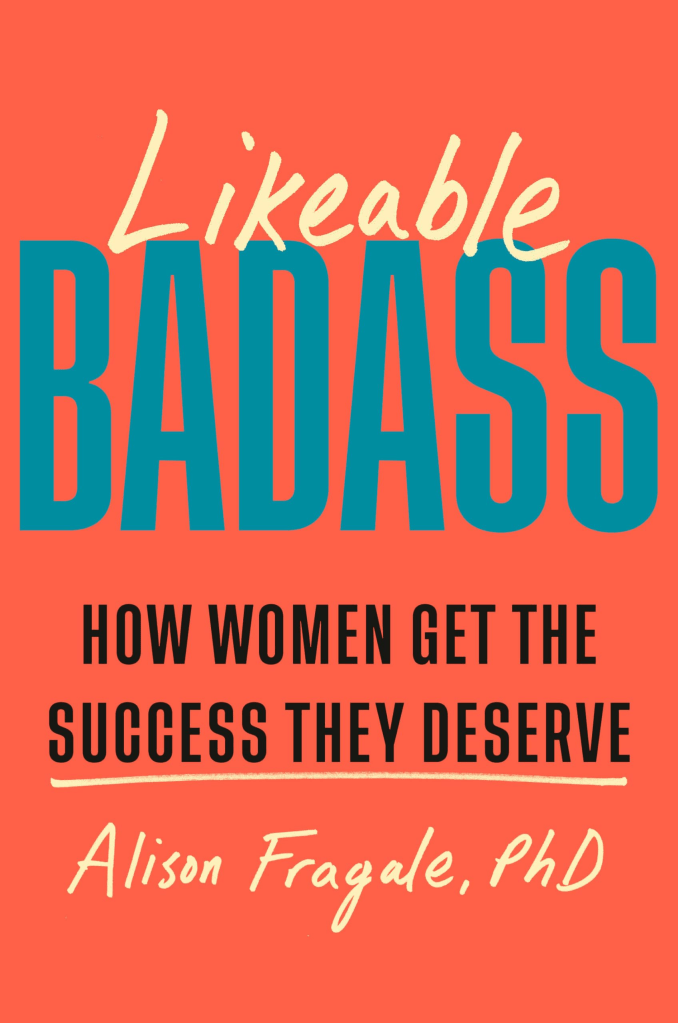
Book Review: Likeable Badass

What does it mean to be both likeable and a badass? In Likeable Badass: How Women Get the Success They Deserve, Alison Fragale tackles this question head-on, offering research-backed insights on how women can navigate workplace dynamics, build confidence, and command respect without sacrificing their authenticity. This book challenges the outdated notion that being assertive makes a woman unlikeable while being agreeable makes her ineffective. Instead, Fragale provides practical strategies to balance warmth and competence, allowing women to lead with both power and authenticity.

Confidence is something anyone can learn, not just something you’re born with. You can develop confidence through practice and experience. Fragale emphasizes that true confidence comes from preparation, self-awareness, and action rather than simply “faking it until you make it.” Confidence-building starts with small wins. Whether it’s speaking up in a meeting, negotiating for a raise, or taking on a stretch project, consistently stepping outside your comfort zone strengthens your ability to project confidence naturally. Leaders can also foster confidence in their teams by providing clear feedback, mentorship, and opportunities to succeed.

Women often face the challenge of being seen as either too nice, and not taken seriously, or too assertive, and seen as difficult. Fragale provides research-backed strategies to navigate this, emphasizing that success doesn’t require choosing one over the other. Striking the right balance between warmth and authority can improve leadership effectiveness. Using humor, expressing genuine interest in others, and showing vulnerability when appropriate can make assertive communication more palatable, especially in male-dominated environments. Leaders can also challenge biases in their organizations by evaluating how feedback is given. For example, consider whether women in your workplace are being told they need to be nicer, while men are praised for the same directness.

How you say something is just as important as what you say. Fragale highlights the importance of tone, body language, and framing when delivering messages. Being direct doesn’t mean being rude. Using “I” statements, maintaining open body language, and strategically pausing for emphasis can enhance your presence. When delivering difficult messages, pairing confidence with warmth, like using an encouraging tone while providing constructive feedback, can make your words more effective.

Traditional leadership models often favor extroverted, dominant personalities, but Fragale argues that influence isn’t about being the loudest; it’s about being strategic. Thoughtful, well-timed contributions can be just as powerful as constant visibility. If you’re naturally introverted or prefer to observe before speaking, you can still build influence by being intentional about when and how you contribute. Preparing key points in advance, leveraging written communication, and forming strong one-on-one relationships can all enhance your ability to lead effectively.

After all your hard work in building a badass career, it’s important to own your success. Many women downplay their achievements to avoid seeming boastful, but Fragale stresses the importance of owning your success with confidence. Recognizing and articulating your value isn’t arrogance, it’s self-advocacy. Instead of deflecting praise, practice accepting compliments with a simple “Thank you, I worked hard on that.” When discussing achievements, focus on impact rather than effort (e.g., “This project increased revenue by 20%” instead of “I worked really hard on this”). Leaders can also encourage this behavior by celebrating team wins openly and ensuring credit is given where it’s due.

Likeable Badass is a powerful guide for women who want to excel in their careers without compromising who they are. By understanding the balance between confidence and likeability, mastering strategic communication, and owning their achievements, women can break past the barriers that hold them back.

What strategies have helped you navigate confidence and influence in your career? Let’s discuss in the comments!

Book Review: What Happened to You?

I recently had the pleasure of listening to the book What Happened to You? Conversations on Trauma, Resilience, and Healing by Oprah Winfrey and Dr. Bruce Perry. This book is a compelling exploration of how early experiences shape our lives. Rather than asking, “What’s wrong with you?”, Winfrey & Perry reframe the question to “What happened to you?” a shift that fosters empathy, understanding, and healing. This perspective isn’t just relevant in personal growth and therapy; it also has profound implications for leadership, teamwork, and workplace culture.

Through a series of conversations with Oprah, Dr. Perry, a renowned neuroscientist, explains how childhood experiences shape brain development. Repeated stress or trauma in early years can create long-term behavioral patterns, often misinterpreted as personality flaws rather than adaptations to past experiences. As a corporate executive, I couldn’t help considering this at work in a professional setting. Instead of immediately labeling an employee as “difficult” or “unmotivated,” leaders can consider what factors, both past and present, may be influencing their behavior. This shift in perspective can lead to more productive conversations and better support systems for employees who may be struggling.

One of the book’s core lessons is that people need to feel emotionally and physically safe before they can engage in logical thinking or problem-solving. When someone is in a heightened emotional state, whether due to stress, burnout, or past trauma, their ability to process information and respond effectively is diminished. In the workplace, psychological safety is critical to the employee experience. Leaders who create a culture where employees feel safe expressing concerns, making mistakes, and asking for help foster a more engaged and innovative workforce. Instead of demanding immediate performance under pressure, good leaders recognize when to offer support, provide space, and help employees regulate stress before expecting peak performance.

Healing doesn’t happen in isolation. The book emphasizes the role of relationships in overcoming adversity. The more positive and stable relationships a person has, the better they can navigate challenges and build resilience. Likewise, strong workplace relationships improve collaboration, morale, and overall performance. Leaders and colleagues who build trust and open lines of communication create an environment where employees feel valued. Mentorship programs, team-building efforts, and informal check-ins can help strengthen these connections and improve workplace culture.

Behaviors often labeled as “unprofessional” or “uncooperative” may stem from past experiences rather than a lack of ability or effort. A person who avoids confrontation, struggles with feedback, or reacts defensively may be responding to deep-seated survival mechanisms rather than the immediate situation. When managing performance or addressing workplace conflicts, leaders should approach conversations with curiosity rather than judgment. Instead of immediately assuming an employee is being difficult, asking questions like “What’s going on?” or “How can I support you?” can lead to more constructive outcomes. Empathy and patience often yield better results than strict discipline or punitive measures.

Resilience isn’t just about toughness, it’s also about adaptability and support. People who have a strong network of support and access to positive experiences can better navigate stress and setbacks. Organizations that prioritize mentorship, constructive feedback, and continuous learning create employees who are not just surviving but thriving. Providing professional development opportunities, promoting work-life balance, and recognizing employees’ efforts all contribute to building a resilient, engaged workforce.

What Happened to You? is more than a book about trauma, it’s a guide to fostering understanding, resilience, and meaningful connections. Whether you’re a leader, a mentor, or simply someone striving to create a more supportive environment, the lessons in this book can help you reframe challenges with empathy and build stronger, more resilient teams.

Have you read What Happened to You? How did it impact your perspective on leadership, teamwork, or personal growth? Let’s discuss in the comments!