Book Review: Extreme Ownership

I picked up Extreme Ownership by Jocko Willink and Leif Babin expecting a book about discipline, accountability, and military leadership. I found a practical leadership philosophy instead. It applies just as much to boardrooms, operations teams, and cross functional work. This philosophy is as relevant to those areas as it is to the battlefield.
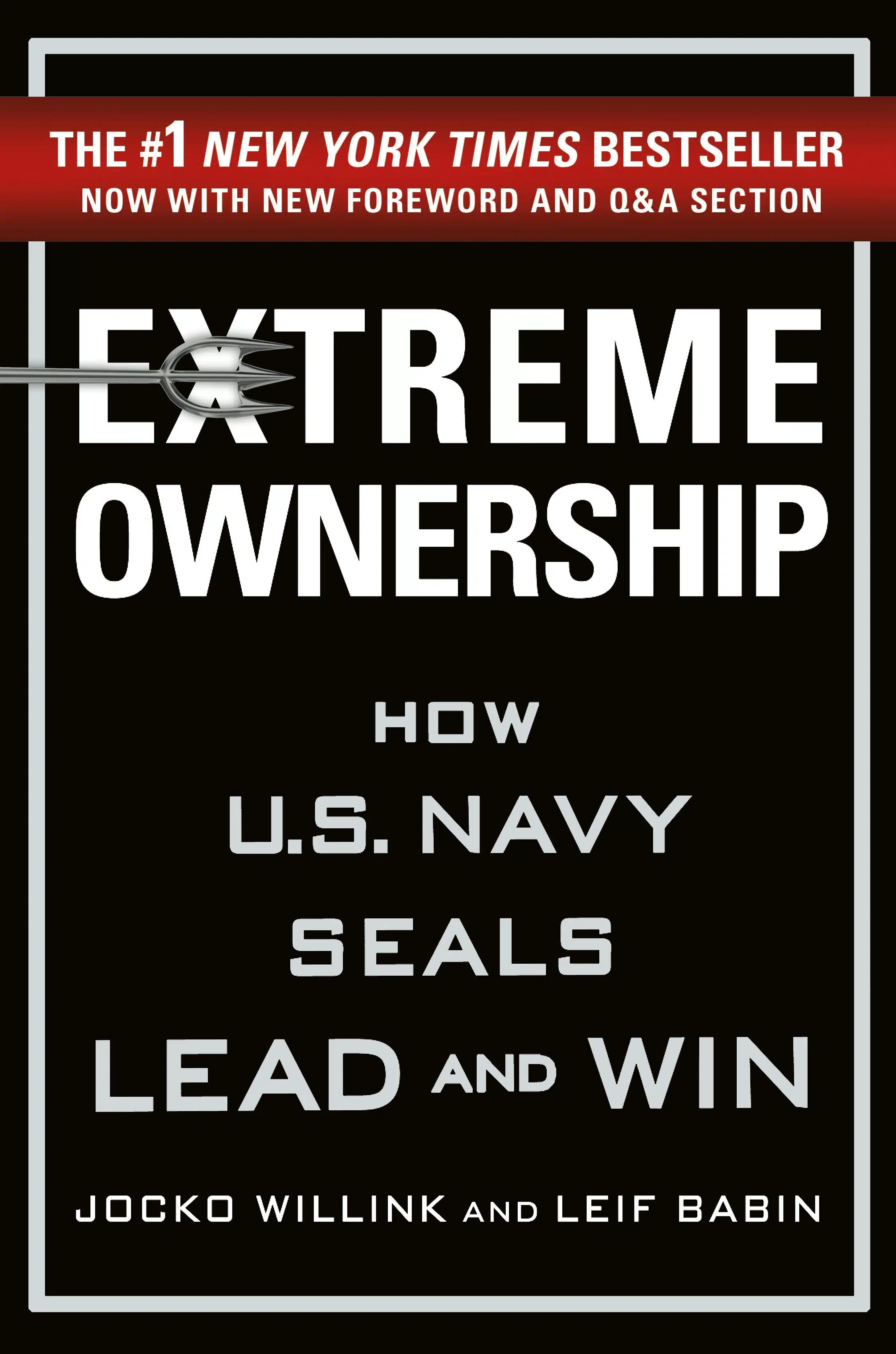
At its core, this book asks leaders to confront a simple but uncomfortable question. Where am I responsible, even when it would be easier to blame circumstances, systems, or other people? One of the most quoted ideas from the book is also the most challenging. It states: “There are no bad teams, only bad leaders.” That statement can feel harsh at first. But read through a leadership lens, it becomes empowering. Extreme ownership does not mean taking blame for everything that goes wrong. It means taking responsibility for the conditions you create as a leader. When leaders own outcomes, they stop waiting for permission to fix problems. They move from explanation to action.

A recurring theme throughout the book is that failure often comes from confusion, not capability. Teams struggle when priorities are unclear or constantly shifting. The authors emphasize that leaders must keep plans simple and ensure everyone understands the why, not just the what. “If the frontline troops do not understand the mission, they cannot execute it.” In business, this shows up when teams are overloaded with initiatives, conflicting metrics, or unclear decision rights. Extreme ownership requires leaders to slow down enough to create clarity so teams can move faster with confidence.

One of the most practical concepts in the book is decentralized command. Leaders should not try to control every decision. Instead, they should empower people closest to the work with the authority to act. This approach only works when leaders have put in the work up front to ensure alignment. When goals, guardrails, and trust are in place, teams can adapt quickly without constant escalation. This resonated deeply for me. Strong leaders are not bottlenecks. They are force multipliers!

Another powerful takeaway is the role of ego in leadership breakdowns. Ego shows up as defensiveness, the need to be right, or resistance to feedback.  “Implementing extreme ownership requires checking your ego and operating with a high degree of humility.” Leadership growth often begins with asking better questions of ourselves. What am I missing? How might my approach be contributing to this outcome? What feedback am I avoiding? Owning results means being willing to look inward before pointing outward.

Although the stories in Extreme Ownership originate from combat, the lessons translate cleanly into modern organizations navigating change, uncertainty, and complexity. Today’s leaders are balancing performance with empathy, speed with sustainability, and accountability with trust. Extreme ownership fits squarely in that tension. This book reminds us that leadership is not about control. It is about responsibility.

What I appreciated most about Extreme Ownership is that it does not offer shortcuts. It offers standards. Taking ownership is not always comfortable. It requires self awareness, consistency, and courage. But it also creates stronger teams, clearer outcomes, and leaders who are respected rather than feared. For leaders looking to sharpen accountability without sacrificing collaboration, this book is a compelling read.
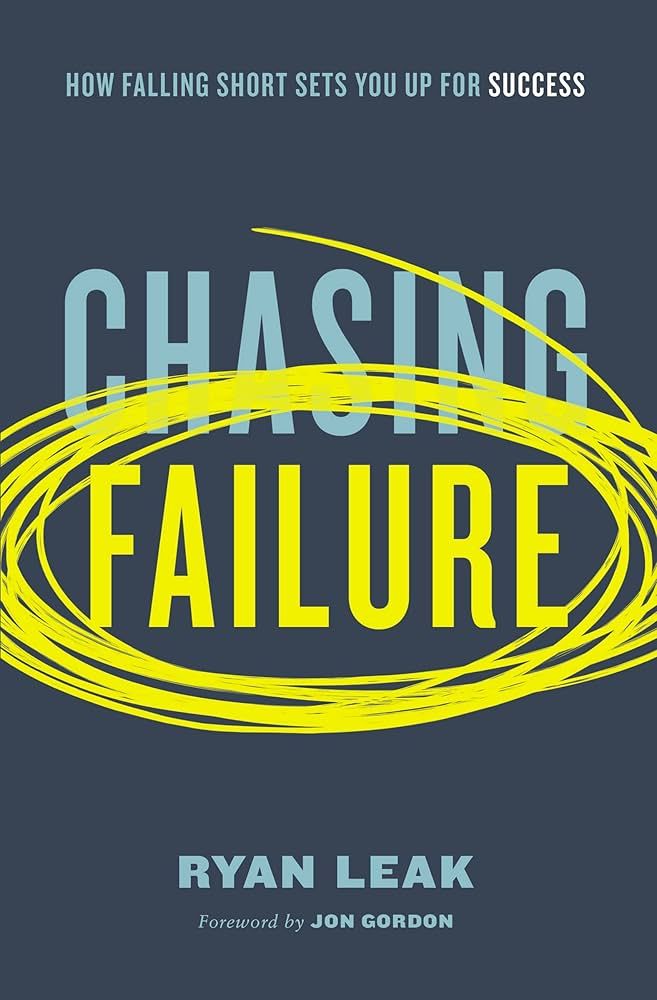

Book Review: Chasing Failure by Ryan Leak


I recently had the honor of hearing Ryan Leak speak live at my company’s annual executive leadership conference. His stage presence, authenticity, and comedic delivery had most of us adding one (or in my case, all) of his books to our digital carts before he was even done with his segment. Chasing Failure arrived first, so let’s dig right in! This book opens with a compelling question:

“What would you do if you weren’t afraid to fail?”

Leak uses Chasing Failure to urge readers to rethink how they approach fear, risk, and ambition. For anyone looking to step outside their comfort zone, this book is a powerful reminder that failure is not the end; it’s often the beginning.

Failure is inevitable and valuable. In Chasing Failure, Leak reframes failure as a necessary step on the path to growth. He shares personal stories and examples of high achievers who embraced failure as a learning tool, challenging readers to do the same.

The book encourages setting bold goals, even when the odds feel stacked against you. Leak’s own journey to try out for an NBA team, despite slim chances, epitomizes the idea of dreaming big.

Resilience is also a major theme of this book.  By shifting the focus from avoiding failure to cultivating resilience, Leak provides a roadmap for achieving sustainable success.

As someone who often juggles high-stakes decisions, Chasing Failure reminded me that perfection isn’t the goal – progress is. Leak’s conversational tone and actionable insights make it a motivating read for anyone ready to redefine their relationship with failure.

Whether you’re charting a new career path or pursuing a personal dream, this book is an inspiring guide to embracing fear, taking risks, and finding purpose in the process.

Next up on my Leak reading list is Leveling Up. Come back to the blog for a review soon! Have you read any books by Ryan Leak? If so, let me know what you think!

Book Review: Likeable Badass

What does it mean to be both likeable and a badass? In Likeable Badass: How Women Get the Success They Deserve, Alison Fragale tackles this question head-on, offering research-backed insights on how women can navigate workplace dynamics, build confidence, and command respect without sacrificing their authenticity. This book challenges the outdated notion that being assertive makes a woman unlikeable while being agreeable makes her ineffective. Instead, Fragale provides practical strategies to balance warmth and competence, allowing women to lead with both power and authenticity.

Confidence is something anyone can learn, not just something you’re born with. You can develop confidence through practice and experience. Fragale emphasizes that true confidence comes from preparation, self-awareness, and action rather than simply “faking it until you make it.” Confidence-building starts with small wins. Whether it’s speaking up in a meeting, negotiating for a raise, or taking on a stretch project, consistently stepping outside your comfort zone strengthens your ability to project confidence naturally. Leaders can also foster confidence in their teams by providing clear feedback, mentorship, and opportunities to succeed.

Women often face the challenge of being seen as either too nice, and not taken seriously, or too assertive, and seen as difficult. Fragale provides research-backed strategies to navigate this, emphasizing that success doesn’t require choosing one over the other. Striking the right balance between warmth and authority can improve leadership effectiveness. Using humor, expressing genuine interest in others, and showing vulnerability when appropriate can make assertive communication more palatable, especially in male-dominated environments. Leaders can also challenge biases in their organizations by evaluating how feedback is given. For example, consider whether women in your workplace are being told they need to be nicer, while men are praised for the same directness.

How you say something is just as important as what you say. Fragale highlights the importance of tone, body language, and framing when delivering messages. Being direct doesn’t mean being rude. Using “I” statements, maintaining open body language, and strategically pausing for emphasis can enhance your presence. When delivering difficult messages, pairing confidence with warmth, like using an encouraging tone while providing constructive feedback, can make your words more effective.

Traditional leadership models often favor extroverted, dominant personalities, but Fragale argues that influence isn’t about being the loudest; it’s about being strategic. Thoughtful, well-timed contributions can be just as powerful as constant visibility. If you’re naturally introverted or prefer to observe before speaking, you can still build influence by being intentional about when and how you contribute. Preparing key points in advance, leveraging written communication, and forming strong one-on-one relationships can all enhance your ability to lead effectively.

After all your hard work in building a badass career, it’s important to own your success. Many women downplay their achievements to avoid seeming boastful, but Fragale stresses the importance of owning your success with confidence. Recognizing and articulating your value isn’t arrogance, it’s self-advocacy. Instead of deflecting praise, practice accepting compliments with a simple “Thank you, I worked hard on that.” When discussing achievements, focus on impact rather than effort (e.g., “This project increased revenue by 20%” instead of “I worked really hard on this”). Leaders can also encourage this behavior by celebrating team wins openly and ensuring credit is given where it’s due.

Likeable Badass is a powerful guide for women who want to excel in their careers without compromising who they are. By understanding the balance between confidence and likeability, mastering strategic communication, and owning their achievements, women can break past the barriers that hold them back.

What strategies have helped you navigate confidence and influence in your career? Let’s discuss in the comments!