I picked up Extreme Ownership by Jocko Willink and Leif Babin expecting a book about discipline, accountability, and military leadership. I found a practical leadership philosophy instead. It applies just as much to boardrooms, operations teams, and cross functional work. This philosophy is as relevant to those areas as it is to the battlefield.
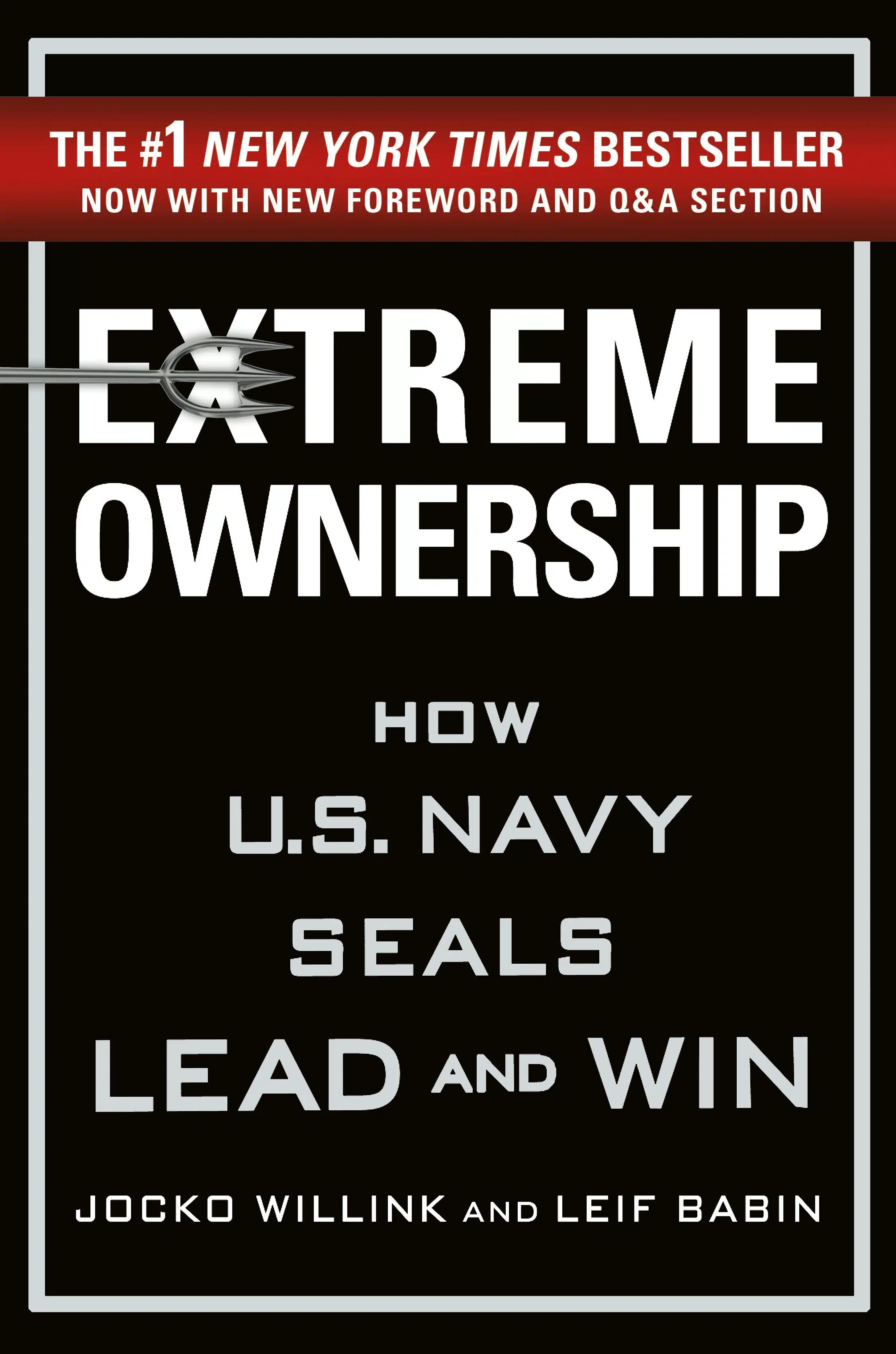
At its core, this book asks leaders to confront a simple but uncomfortable question. Where am I responsible, even when it would be easier to blame circumstances, systems, or other people? One of the most quoted ideas from the book is also the most challenging. It states: “There are no bad teams, only bad leaders.” That statement can feel harsh at first. But read through a leadership lens, it becomes empowering. Extreme ownership does not mean taking blame for everything that goes wrong. It means taking responsibility for the conditions you create as a leader. When leaders own outcomes, they stop waiting for permission to fix problems. They move from explanation to action.
A recurring theme throughout the book is that failure often comes from confusion, not capability. Teams struggle when priorities are unclear or constantly shifting. The authors emphasize that leaders must keep plans simple and ensure everyone understands the why, not just the what. “If the frontline troops do not understand the mission, they cannot execute it.” In business, this shows up when teams are overloaded with initiatives, conflicting metrics, or unclear decision rights. Extreme ownership requires leaders to slow down enough to create clarity so teams can move faster with confidence.
One of the most practical concepts in the book is decentralized command. Leaders should not try to control every decision. Instead, they should empower people closest to the work with the authority to act. This approach only works when leaders have put in the work up front to ensure alignment. When goals, guardrails, and trust are in place, teams can adapt quickly without constant escalation. This resonated deeply for me. Strong leaders are not bottlenecks. They are force multipliers!
Another powerful takeaway is the role of ego in leadership breakdowns. Ego shows up as defensiveness, the need to be right, or resistance to feedback. “Implementing extreme ownership requires checking your ego and operating with a high degree of humility.” Leadership growth often begins with asking better questions of ourselves. What am I missing? How might my approach be contributing to this outcome? What feedback am I avoiding? Owning results means being willing to look inward before pointing outward.
Although the stories in Extreme Ownership originate from combat, the lessons translate cleanly into modern organizations navigating change, uncertainty, and complexity. Today’s leaders are balancing performance with empathy, speed with sustainability, and accountability with trust. Extreme ownership fits squarely in that tension. This book reminds us that leadership is not about control. It is about responsibility.
What I appreciated most about Extreme Ownership is that it does not offer shortcuts. It offers standards. Taking ownership is not always comfortable. It requires self awareness, consistency, and courage. But it also creates stronger teams, clearer outcomes, and leaders who are respected rather than feared. For leaders looking to sharpen accountability without sacrificing collaboration, this book is a compelling read.


 Rosemarie L. Cordell