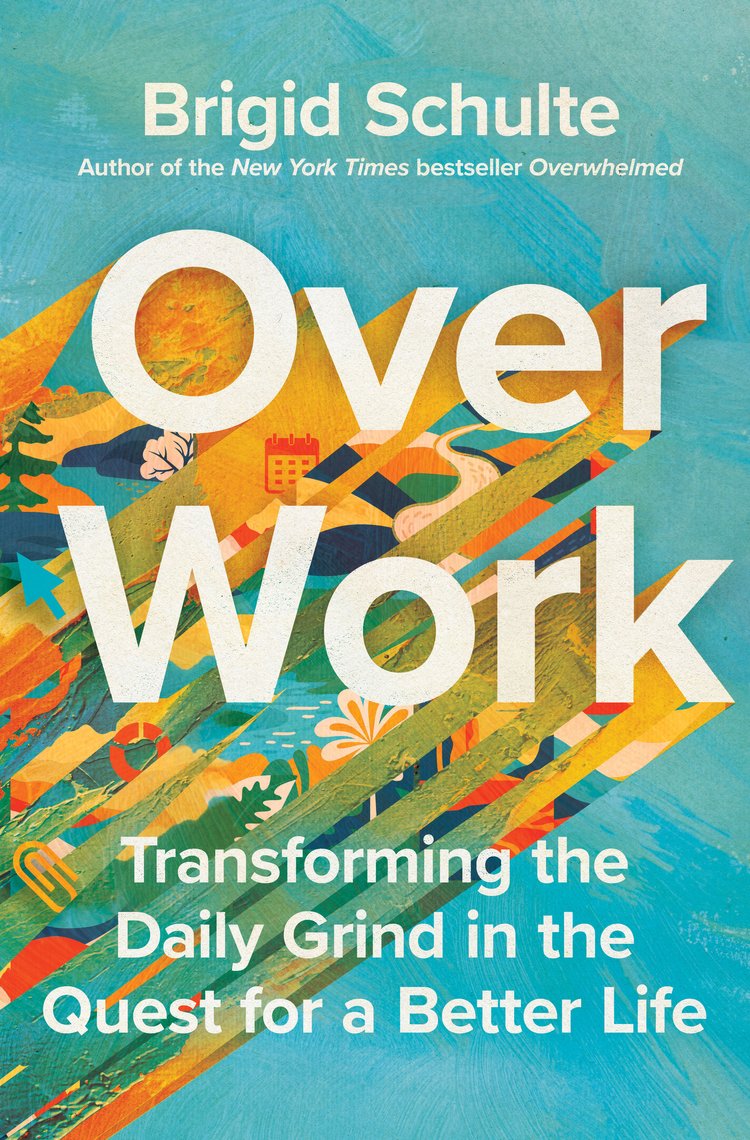
Over Work: Transforming the Daily Grind in the Quest for a Better Life by Brigid Schulte
Brigid Schulte’s Over Work is a timely and transformative read for anyone striving to find balance in an increasingly demanding professional world. The book dissects the entrenched systems and cultural expectations that fuel our overwork tendencies and provides a compelling vision for a more balanced, intentional approach to life and work.
As a new executive, I approached this book not just with curiosity but with a pressing need for clarity. Leading a team and setting the tone for how work is approached for an entire organization has heightened my awareness of how much our workplace cultures glorify busyness at the expense of true productivity and well-being. Schulte’s insights resonated deeply, offering a framework to rethink not only my personal habits but also the norms I help reinforce within my organization.
One of the book’s most striking revelations is the persistence of the “ideal worker” archetype – the expectation that the most successful employees are those who are constantly available, sacrificing personal time for professional advancement. In my own experience, stepping into my new role at work has only amplified this pressure. Schulte’s analysis reminded me that leadership is about outcomes, not optics, and that modeling healthy boundaries is critical to fostering sustainable productivity in my team.
Schulte doesn’t shy away from highlighting the systemic roots of overwork, particularly its disproportionate impact on women. As I reflect on my career, I’ve seen firsthand how societal expectations often burden women with invisible labor at home and in the workplace. Her call to action, to challenge these inequities and advocate for structural change, felt particularly urgent in my role as a leader who can influence organizational culture.
One of my leaders likes to say it’s about “work / life tradeoffs” not “work / life balance”. Keeping that in mind, this book’s pragmatic approach to combating overwork is one of its greatest strengths. From rethinking meeting structures to encouraging flexible work arrangements, Schulte provides actionable strategies that can benefit both individuals and organizations. Since reading the book, I’ve already begun experimenting with some of her suggestions, such as prioritizing deep work blocks over reactive tasks, and I’ve encouraged my team to do the same.
Reading Over Work coincided with my transition into executive leadership, a time when the stakes, and the demands on my time, have never been higher. It’s easy to fall into the trap of believing that success in this role requires perpetual availability and constant multitasking. Schulte’s work challenged me to redefine what it means to lead effectively.
For example, I’ve started asking myself more often: Am I modeling the type of work culture I want my team to emulate? There have been moments when I’ve caught myself emailing late at night or overloading my calendar, inadvertently signaling that this behavior is the expectation. After reading Schulte’s analysis, I’m more intentional about how I structure my time and communicate priorities, both for myself and my team. My teams status isn’t always green these days, and I try to remember to log out at a reasonable time, further signaling unavailability after hours.
Schulte’s call to reimagine work isn’t just about personal well-being, it’s about the collective need to challenge a culture that equates busyness with value. For executives, the stakes are even higher; we set the tone for how work is approached in our organizations. Over Work reminded me that leadership isn’t just about driving results but also about creating environments where people can thrive.
I think Over Work is essential reading for anyone seeking a more meaningful relationship with work. It’s a book that challenges us to confront not only our personal habits but also the broader systems that perpetuate overwork. For those in leadership roles, it’s a powerful reminder of the responsibility we hold to model a better way forward.
As I continue to navigate the challenges of leadership, Schulte’s insights remain top of mind. They’ve given me the tools, and resolve, to not only manage my own workload more effectively but also to foster a culture that prioritizes balance and well-being without compromising excellence. I highly recommend this book to anyone ready to rethink the way we work.
 Rosemarie L. Cordell