Book Review: Conscious Leadership

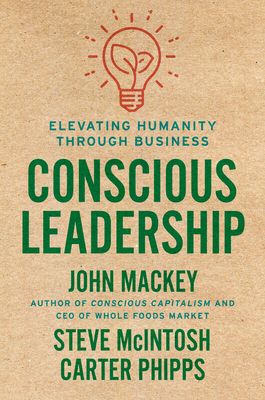
Conscious Leadership by John Mackey asks, “What if leadership wasn’t just about profits or power, but about purpose?” John Mackey, co-founder of Whole Foods Market, was a delight to read. As someone who spends a lot of time thinking about leadership, both the practical and the deeply human sides of it, I found this book both challenging and affirming in unexpected ways.

In Conscious Leadership, Mackey builds on the principles of Conscious Capitalism, which he co-authored in 2013, diving deeper into the role of leadership in creating businesses that benefit all stakeholders. His central idea is that leaders have a responsibility to elevate their organizations beyond profit-seeking, emphasizing purpose, people, and personal growth. Mackey outlines ten key characteristics of conscious leaders, such as leading with love, cultivating emotional intelligence, and inspiring others through purpose. If you’re accustomed to leadership frameworks that prioritize efficiency and results, this perspective challenges you to expand your approach.

Mackey reminds us that great leaders don’t just ask “What?” or “How?”; they focus on “Why?”. Purpose creates alignment, fuels innovation, and gives meaning to work. At Whole Foods, their purpose was to “nourish the people and the planet.” As a leader in today’s increasingly conscious business environment, this takeaway felt relevant and urgent. Purpose isn’t an add-on; it’s the foundation!

One of the book’s strengths is its focus on the emotional and relational aspects of leadership. Mackey talks openly about the need to lead with love, which might sound soft to some but proves powerful in practice. Leading with love doesn’t mean avoiding tough decisions; it means approaching people with empathy, care, and respect. If you’ve read books like Daring Greatly by Brené Brown or Radical Candor by Kim Scott, you’ll see some thematic parallels. What stood out for me was Mackey’s ability to connect emotional intelligence to measurable organizational outcomes. Trust and employee engagement are measurable and important.

Mackey’s emphasis on personal growth resonated deeply with me. He argues that conscious leaders must commit to their own evolution, emotionally, intellectually, and spiritually, to effectively lead others. For anyone who has taken on a role that requires vision-setting, this rings true. Your team’s potential can only expand as far as your own willingness to grow. Mackey shares personal stories of his own growth as a leader, missteps included. His vulnerability made the ideas more relatable to me, showing that conscious leadership is a practice, not a destination.

Mackey’s vision of leadership is both aspirational and practical. His stories from Whole Foods provide tangible examples of conscious leadership at work, and I appreciated how he balanced idealism with actionable insights. That said, the book does at times veer into overly utopian territory. While Mackey’s philosophy is inspiring, some leaders may struggle to apply these ideas in organizations that are deeply entrenched in more traditional leadership models. I also found myself curious about other perspectives of this practice outside of Mackey’s own experiences, though the concepts themselves are likely universal.

If you’re a leader looking to redefine success for yourself and your organization, Conscious Leadership is worth your time. It’s especially valuable for those in executive or senior leadership roles where influence can have ripple effects. For me, Mackey’s reflections reinforced the importance of leading with clarity of purpose, concern for people, and the courage to challenge norms. Leadership isn’t just a title, it’s a responsibility to inspire, elevate, and impact.

Book Review: Over Work

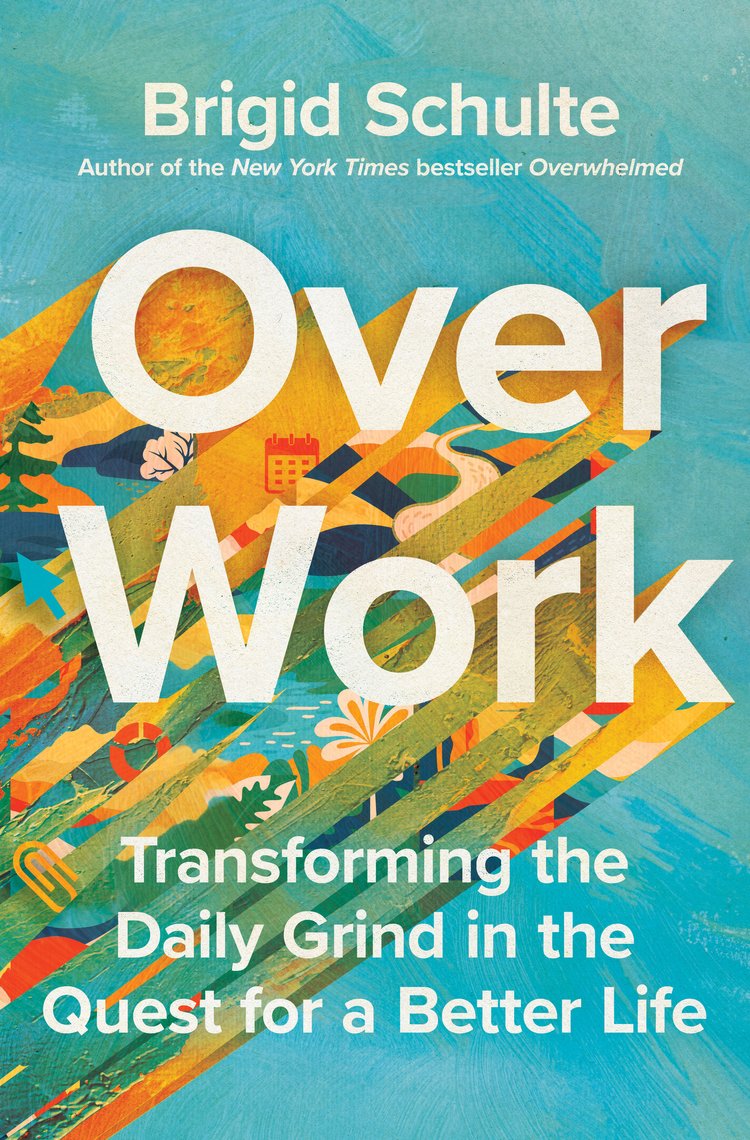
Over Work: Transforming the Daily Grind in the Quest for a Better Life by Brigid Schulte

Brigid Schulte’s Over Work is a timely and transformative read for anyone striving to find balance in an increasingly demanding professional world. The book dissects the entrenched systems and cultural expectations that fuel our overwork tendencies and provides a compelling vision for a more balanced, intentional approach to life and work.

As a new executive, I approached this book not just with curiosity but with a pressing need for clarity. Leading a team and setting the tone for how work is approached for an entire organization has heightened my awareness of how much our workplace cultures glorify busyness at the expense of true productivity and well-being. Schulte’s insights resonated deeply, offering a framework to rethink not only my personal habits but also the norms I help reinforce within my organization.

One of the book’s most striking revelations is the persistence of the “ideal worker” archetype – the expectation that the most successful employees are those who are constantly available, sacrificing personal time for professional advancement. In my own experience, stepping into my new role at work has only amplified this pressure. Schulte’s analysis reminded me that leadership is about outcomes, not optics, and that modeling healthy boundaries is critical to fostering sustainable productivity in my team.

Schulte doesn’t shy away from highlighting the systemic roots of overwork, particularly its disproportionate impact on women. As I reflect on my career, I’ve seen firsthand how societal expectations often burden women with invisible labor at home and in the workplace. Her call to action, to challenge these inequities and advocate for structural change, felt particularly urgent in my role as a leader who can influence organizational culture.

One of my leaders likes to say it’s about “work / life tradeoffs” not “work / life balance”. Keeping that in mind, this book’s pragmatic approach to combating overwork is one of its greatest strengths. From rethinking meeting structures to encouraging flexible work arrangements, Schulte provides actionable strategies that can benefit both individuals and organizations. Since reading the book, I’ve already begun experimenting with some of her suggestions, such as prioritizing deep work blocks over reactive tasks, and I’ve encouraged my team to do the same.

Reading Over Work coincided with my transition into executive leadership, a time when the stakes, and the demands on my time, have never been higher. It’s easy to fall into the trap of believing that success in this role requires perpetual availability and constant multitasking. Schulte’s work challenged me to redefine what it means to lead effectively.

For example, I’ve started asking myself more often: Am I modeling the type of work culture I want my team to emulate? There have been moments when I’ve caught myself emailing late at night or overloading my calendar, inadvertently signaling that this behavior is the expectation. After reading Schulte’s analysis, I’m more intentional about how I structure my time and communicate priorities, both for myself and my team. My teams status isn’t always green these days, and I try to remember to log out at a reasonable time, further signaling unavailability after hours.

Schulte’s call to reimagine work isn’t just about personal well-being, it’s about the collective need to challenge a culture that equates busyness with value. For executives, the stakes are even higher; we set the tone for how work is approached in our organizations. Over Work reminded me that leadership isn’t just about driving results but also about creating environments where people can thrive.

I think Over Work is essential reading for anyone seeking a more meaningful relationship with work. It’s a book that challenges us to confront not only our personal habits but also the broader systems that perpetuate overwork. For those in leadership roles, it’s a powerful reminder of the responsibility we hold to model a better way forward.

As I continue to navigate the challenges of leadership, Schulte’s insights remain top of mind. They’ve given me the tools, and resolve, to not only manage my own workload more effectively but also to foster a culture that prioritizes balance and well-being without compromising excellence. I highly recommend this book to anyone ready to rethink the way we work.

Book Review: Do Nothing

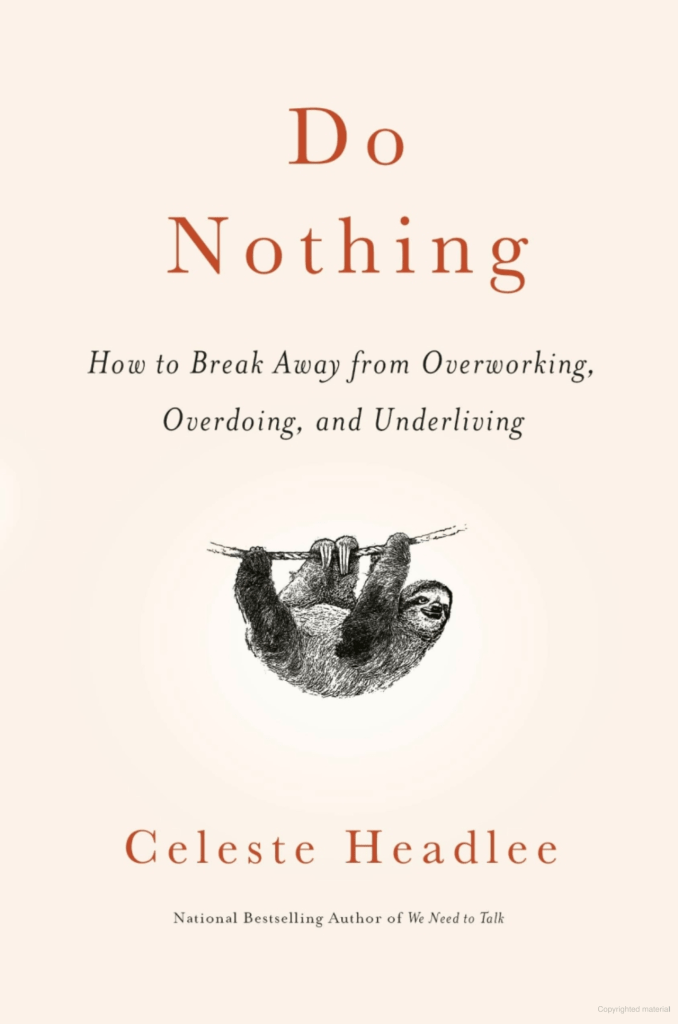
In today’s world, where busyness often equates to success, Celeste Headlee’s Do Nothing: How to Break Away from Overworking, Overdoing, and Underliving provides a much-needed perspective on the cost of hustle culture. This book is a manifesto for reclaiming our humanity by challenging the habits that perpetuate overwork.

In her book, Headlee explores the historical and cultural factors driving our obsession with productivity, linking our self-worth to our achievements from the Industrial Revolution onwards. She demonstrates through research that prioritizing busyness negatively impacts our well-being and relationships. The central argument is that being busy does not equate to productivity, happiness, or fulfillment; in fact, it often results in stress, burnout, and a disconnection from what truly matters in life.

What sets Do Nothing apart is its actionable advice. Headlee not only highlights the problem but also offers solutions, focusing on mindfulness, prioritization, and the science of rest. Headlee argues that leisure is essential for a balanced life. By embracing intentional rest, we can recharge and engage more fully with our surroundings. In a world dominated by notifications and to-do lists, Headlee’s call to pause and question our relentless drive feels radical. This book made me reflect on my habits; am I working more out of desire or because of a societal narrative that demands it? Disentangling the two isn’t easy, but Headlee’s insights offer a starting point for self-reflection.

If you’ve felt overwhelmed by the relentless pace of modern life, Do Nothing offers validation and relief. It’s about finding a sustainable rhythm that allows you to thrive. With its blend of historical context, psychological research, and practical advice, this book is essential for anyone wanting to escape overwork and create a meaningful life. By the final chapter, you’ll understand the importance of doing less and feel empowered to make it a reality.

Have you read Do Nothing? What was your biggest takeaway? Share your thoughts in the comments!

Book Review: Unmasking AI

I recently read Joy Buolamwini’s Unmasking AI: My Mission to Protect What Is Human in a World of Machines while on a road trip across Texas and Oklahoma. This book is a thought-provoking exploration of the biases and ethical challenges in artificial intelligence, and the audiobook version is wonderfully narrated by the author herself.

While listening to Joy Buolamwini recount her encounters with biased facial recognition systems, I found myself reflecting deeply on this topic. I thought about how this issue impacts the real world beyond the tech space, whether algorithms might be misidentifying individuals in law enforcement settings or excluding qualified candidates in hiring tools. These considerations weighed heavily on me as I had been preparing for a panel spot at a Women in Tech conference on Generative AI. One of the core topics of the conference was ethical challenges and inherent bias in AI. During the conference panel, I shared how tools like generative AI have tremendous potential, but they are only as good as the data and people behind them. Buolamwini’s stories reminded me that solving bias is not just a technical problem but a moral one. As we embrace AI, we need to amplify uniquely human skills like empathy, ethical reasoning, and creativity.

Buolamwini’s first hand experiences with the Algorithmic Justice League underscore the real-world consequences of biased algorithms, particularly for marginalized communities. Her call for accountability and fairness aligns with the themes I discussed during the conference; how uniquely human skills and ethical considerations remain essential in this AI-enhanced era. The burden of responsibility lies with the companies leveraging AI systems to ensure ethical considerations are met, and bias is minimized.

I use AI tools regularly in my work and personal life. I enjoy the shortcuts it provides but I’m keenly aware of its biases and limitations. For me, the content AI tools generate is merely a starting point for my uniquely-human creative process. To that end, I truly believe AI shouldn’t replace us, rather it should be used as a tool to help us become more efficient. We can use it to offload some of the more mundane tasks, allowing us to focus on the complex work that drives progress.

If Buolamwini’s work teaches us anything, it’s that we all have a role to play in shaping the future of AI. Whether it’s asking critical questions about the tools we use, supporting organizations like the Algorithmic Justice League, or pushing for diverse representation in tech spaces, we can – and must – ensure technology serves everyone, not just a privileged few.

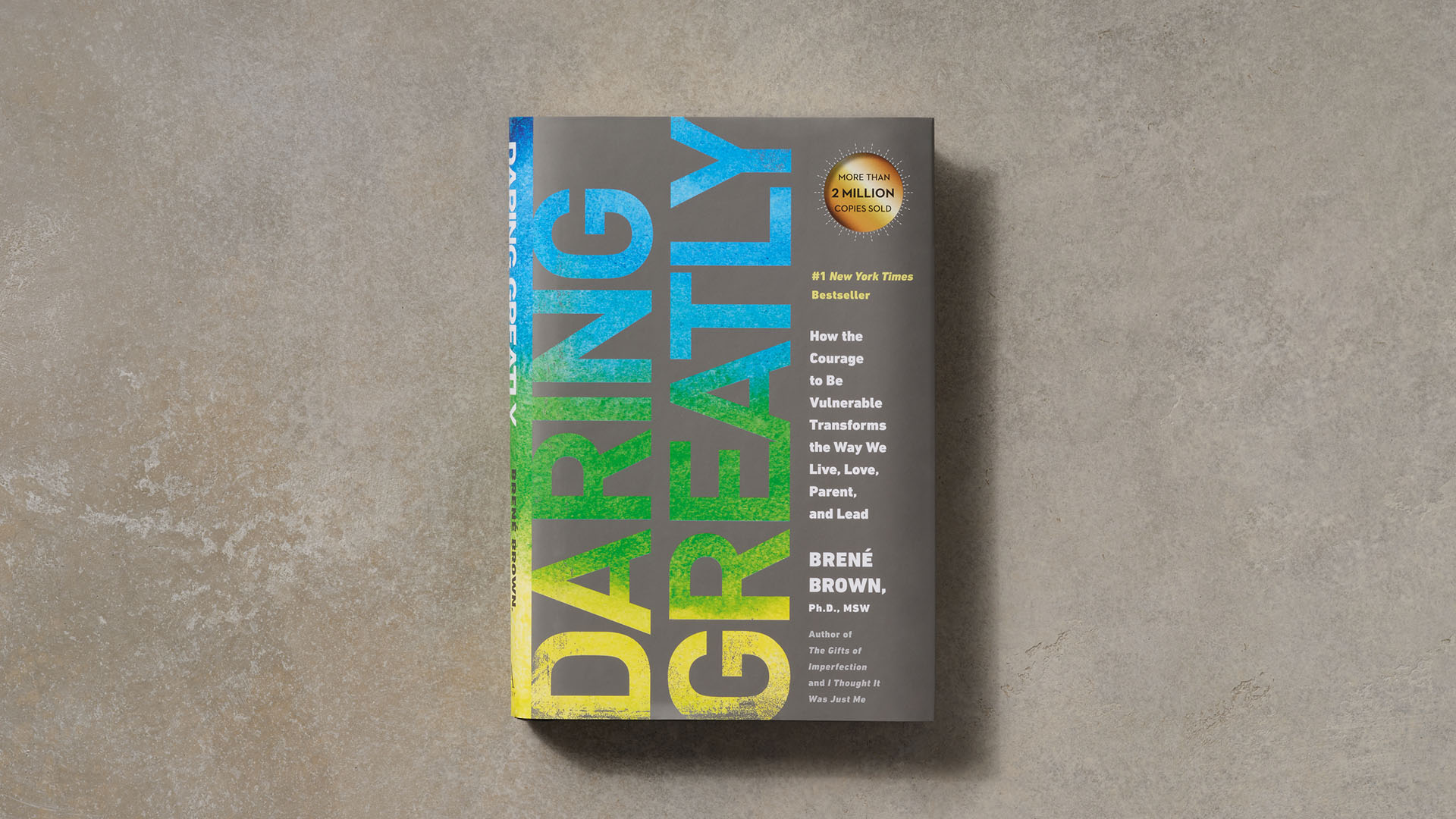
Book review: Daring greatly

Whenever I start a new job, I reread Daring Greatly by Brené Brown. My very first professional mentor gifted me a copy when I graduated the formal mentorship program we were paired in. It continues to be a guiding force to me professionally and personally. I’ve reread this book numerous times. I always pick it up again as a reset when starting a new workplace adventure. My newest role, my first executive position, is no exception. Immediately after accepting the job offer, I cued up the audio version of Daring Greatly and got to work.

To say I love Brené Brown would be a gross understatement. She is my guru, the voice in my head, and my accountabilibuddy. She has no idea, of course, but that’s okay with me. I’m not alone in this Brené fan club; I’m in good company. But why do I keep going back to Daring Greatly? Why is that titular Roosevelt quote framed in my office? Lets get to it.

Brown’s exploration of vulnerability as a strength, not a weakness, is profoundly relevant for anyone taking on a leadership role. The title of the book takes inspiration from Theodore Roosevelt’s “Man in the Arena.” Roosevelt’s speech at the Sarbonne captures the heart of Brené’s book. True courage comes from showing up, taking risks, and daring to engage fully. This applies even when success isn’t guaranteed. For me, this has meant embracing the uncertainty and challenge of a new role with openness and authenticity.

Brown’s insights are especially powerful for leaders striving to foster a culture of trust and innovation. Her research underscores that vulnerability isn’t just personal, it’s organizational. Teams thrive when leaders create environments where candor and creativity are welcomed, not punished.

If you’re preparing for a new challenge or seeking inspiration in your career, I highly recommend Daring Greatly. It reminds us that impactful leaders do not avoid risk. They step into the arena with courage and heart. The best leaders are rooted in their values and rumble with vulnerability and authenticity.

I would love to hear your thoughts on Daring Greatly! Did it make an impact on you or influence your career? Drop a comment below!