Years ago, as a grad student exploring the nuances of change and influence, I found myself captivated by Malcolm Gladwell’s The Tipping Point. It wasn’t just a book; it was a blueprint for understanding how small actions can create monumental cultural shifts. So, when I heard about Revenge of the Tipping Point, I was both excited and cautious. Could a sequel to such a beloved book truly capture the same magic?
The answer, in my opinion, is a resounding yes.
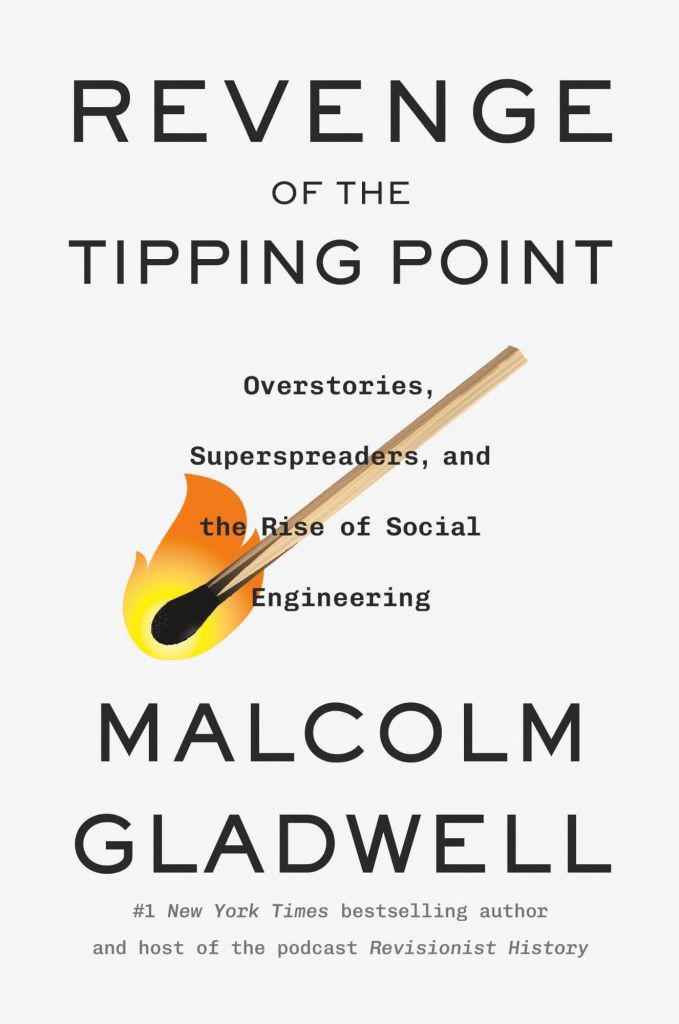
In Revenge of the Tipping Point, Gladwell doesn’t simply revisit his original thesis. He reinvents it with fresh examples, updated insights, and an evolved perspective on how the smallest sparks ignite change in today’s hyper-connected world. While The Tipping Point laid the groundwork for understanding phenomena like “the stickiness factor” and the power of social connectors, this new installment goes further, exploring how these principles play out in an age dominated by social media, rapid technological advancement, and an increasingly globalized society.
Take, for instance, his analysis of the covid-19 pandemic or the opiod crisis. It’s not just about identifying what tipped the scales but also about understanding the mechanisms that sustained the momentum long enough to reshape industries and societal norms for decades yet to come.
Reading Revenge of the Tipping Point felt like revisiting an old friend with a surprising new story to tell. While I loved the original for its clarity and accessibility, this sequel resonates on a deeper level for anyone looking to lead change, whether in business, culture, or personal life. Gladwell reminds us that even the most massive cultural shifts often begin with a single moment, a single spark, and it’s the context we create around that spark that determines its legacy.
If you loved The Tipping Point, this is more than a nostalgic revisit; it’s an essential update. And if you’re new to Gladwell’s work, Revenge of the Tipping Point is a perfect entry point. It’s proof that the power of small changes is not just timeless but evolving, adapting to new environments in ways that continue to surprise and inspire.
Have you read Revenge of the Tipping Point? Or did The Tipping Point influence the way you think about change? I’d love to hear your thoughts in the comments below!

 Rosemarie L. Cordell