I recently had the pleasure of listening to the book What Happened to You? Conversations on Trauma, Resilience, and Healing by Oprah Winfrey and Dr. Bruce Perry. This book is a compelling exploration of how early experiences shape our lives. Rather than asking, “What’s wrong with you?”, Winfrey & Perry reframe the question to “What happened to you?” a shift that fosters empathy, understanding, and healing. This perspective isn’t just relevant in personal growth and therapy; it also has profound implications for leadership, teamwork, and workplace culture.
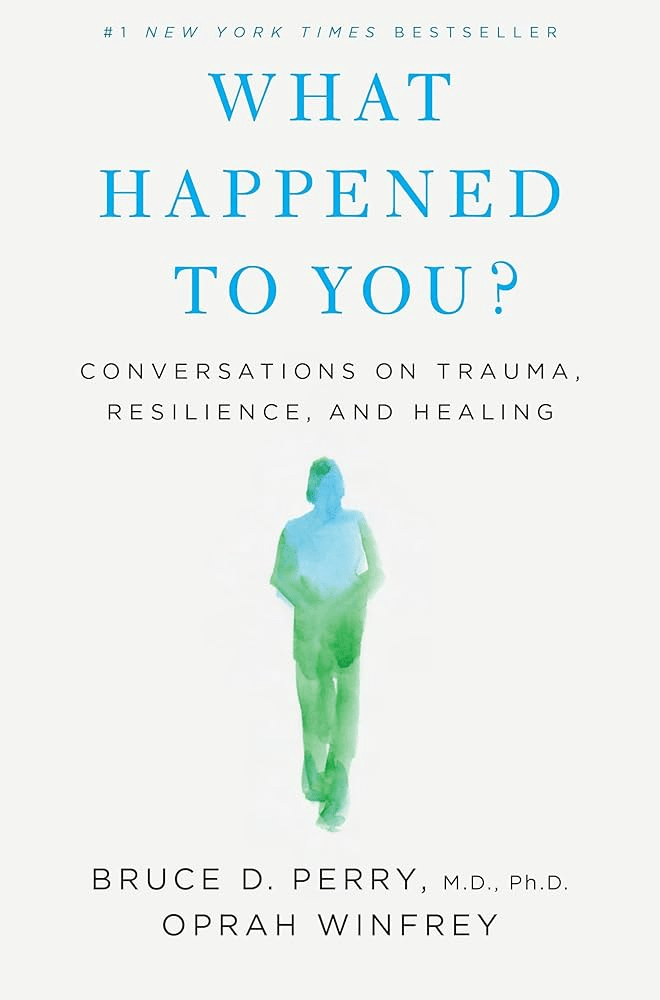
Through a series of conversations with Oprah, Dr. Perry, a renowned neuroscientist, explains how childhood experiences shape brain development. Repeated stress or trauma in early years can create long-term behavioral patterns, often misinterpreted as personality flaws rather than adaptations to past experiences. As a corporate executive, I couldn’t help considering this at work in a professional setting. Instead of immediately labeling an employee as “difficult” or “unmotivated,” leaders can consider what factors, both past and present, may be influencing their behavior. This shift in perspective can lead to more productive conversations and better support systems for employees who may be struggling.
One of the book’s core lessons is that people need to feel emotionally and physically safe before they can engage in logical thinking or problem-solving. When someone is in a heightened emotional state, whether due to stress, burnout, or past trauma, their ability to process information and respond effectively is diminished. In the workplace, psychological safety is critical to the employee experience. Leaders who create a culture where employees feel safe expressing concerns, making mistakes, and asking for help foster a more engaged and innovative workforce. Instead of demanding immediate performance under pressure, good leaders recognize when to offer support, provide space, and help employees regulate stress before expecting peak performance.
Healing doesn’t happen in isolation. The book emphasizes the role of relationships in overcoming adversity. The more positive and stable relationships a person has, the better they can navigate challenges and build resilience. Likewise, strong workplace relationships improve collaboration, morale, and overall performance. Leaders and colleagues who build trust and open lines of communication create an environment where employees feel valued. Mentorship programs, team-building efforts, and informal check-ins can help strengthen these connections and improve workplace culture.
Behaviors often labeled as “unprofessional” or “uncooperative” may stem from past experiences rather than a lack of ability or effort. A person who avoids confrontation, struggles with feedback, or reacts defensively may be responding to deep-seated survival mechanisms rather than the immediate situation. When managing performance or addressing workplace conflicts, leaders should approach conversations with curiosity rather than judgment. Instead of immediately assuming an employee is being difficult, asking questions like “What’s going on?” or “How can I support you?” can lead to more constructive outcomes. Empathy and patience often yield better results than strict discipline or punitive measures.
Resilience isn’t just about toughness, it’s also about adaptability and support. People who have a strong network of support and access to positive experiences can better navigate stress and setbacks. Organizations that prioritize mentorship, constructive feedback, and continuous learning create employees who are not just surviving but thriving. Providing professional development opportunities, promoting work-life balance, and recognizing employees’ efforts all contribute to building a resilient, engaged workforce.
What Happened to You? is more than a book about trauma, it’s a guide to fostering understanding, resilience, and meaningful connections. Whether you’re a leader, a mentor, or simply someone striving to create a more supportive environment, the lessons in this book can help you reframe challenges with empathy and build stronger, more resilient teams.
Have you read What Happened to You? How did it impact your perspective on leadership, teamwork, or personal growth? Let’s discuss in the comments!

 Rosemarie L. Cordell